


Monied Hegemony: How Premier League Billions Are Draining the Lifeblood From Europe’s Lesser Cups
POLICY WIRE — London, UK — For a football fan outside the gilded cages of the English Premier League, celebrating a European trophy for a club like Aston Villa or Crystal Palace should feel like a...

POLICY WIRE — London, UK — For a football fan outside the gilded cages of the English Premier League, celebrating a European trophy for a club like Aston Villa or Crystal Palace should feel like a triumph. A true underdog story. But peel back the celebratory veneer, and what you see is less David slaying Goliath, and more Goliath just showing up in a slightly smaller, less gaudy chariot, still absolutely dwarfing the local lads on foot. It’s a quiet coup, isn’t it?
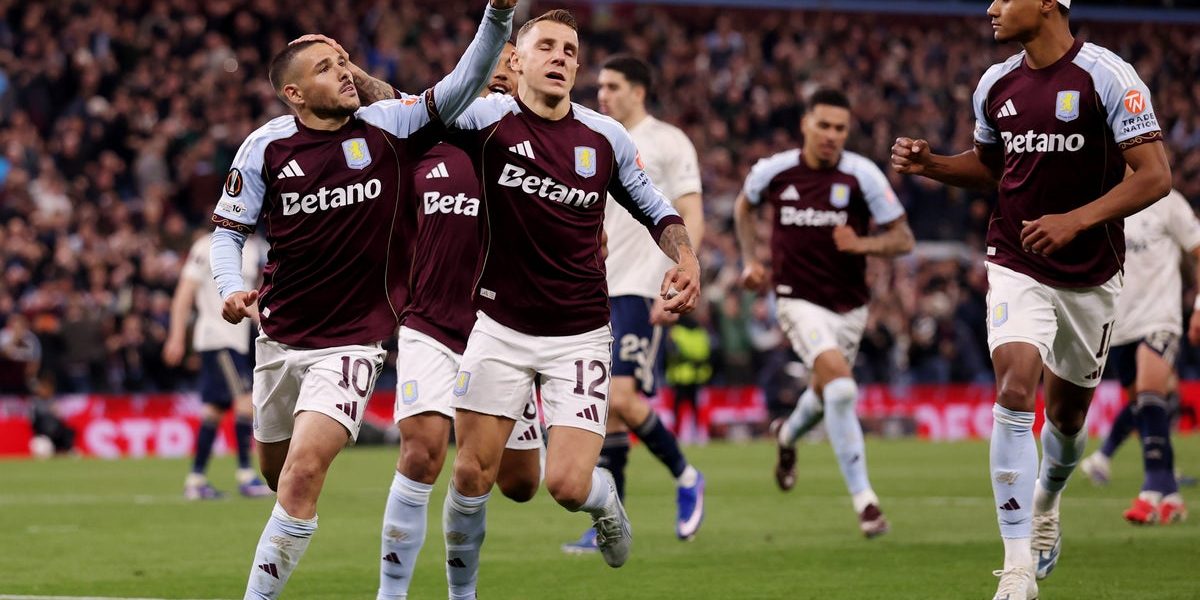
English football isn’t just winning; it’s systematically hoovering up what little suspense remained in Europe’s second and third-tier competitions, turning once-cherished cups into little more than high-stakes training grounds for England’s B-squads. We’ve seen Tottenham break their drought, then West Ham snatch the Conference League. Now Villa — and Palace are knocking at the door. And it begs a pretty blunt question: how many more English ‘firsts’ or ‘ends to a long wait’ do we have to witness before the rest of the continent shrugs and changes the channel?
Because the writing’s on the wall, bold as a sponsor’s logo across a replica jersey. The raw numbers just don’t lie. Take Aston Villa this season, a perfectly respectable club by Premier League standards. But pitted against Freiburg in the Europa League final, their financial heft is nothing short of ludicrous. Villa’s revenue clocked in at a staggering €450.2 million last year. Freiburg? A comparatively paltry €162.8 million. That’s just 36 percent of Villa’s financial firepower, according to recent financial accounts. It’s like sending a fishing trawler against a supertanker; they’re both on the water, but the capabilities aren’t even in the same universe.
And it’s not just Villa. Crystal Palace, who might bag the Conference League, also sport revenues that make their continental opponents look like amateur hour. The Premier League, despite all the bleating about its domestic competitive landscape, has become a colossal vacuum cleaner, sucking up talent and cash, and then generously depositing its overflow onto the European stage, where everyone else is suddenly playing with pocket change. Even as Britain’s wider economy struggles with a cautious hiring landscape, the top tier of its football seems immune, perpetually expanding its financial waistline.
“We’re witnessing a critical inflection point,” remarked Jean-Marc Dupont, a long-serving UEFA delegate, reportedly off-the-record during a recent strategy session. “The commercial success of the Premier League is undeniable, but the resulting sporting asymmetry challenges the very principle of competitive balance that UEFA is sworn to uphold. It’s turning into a monologue, not a conversation.”
But how do you regulate this runaway train? For years, European football’s governing bodies—and make no mistake, it’s always easier to talk than act—have seemingly fiddled while Rome, or rather, the European competitive spirit, burns. They’ve allowed a scenario where the Champions League’s expanded riches paradoxically bleed down to lower competitions, creating a vicious cycle. The elite tournament now gorges on the wealthiest clubs, effectively clearing the path for other Premier League sides to waltz into the Europa and Conference Leagues with budgets their continental rivals could only dream of.
This isn’t to diminish the actual effort or quality of players; Unai Emery’s tactical genius, for example, is genuine. You can’t just throw money at a game and expect to win—not always. But you can stack the odds so absurdly in your favor that winning becomes the natural, almost boring, outcome. A club from, say, a lesser European league, battling inflation — and precarious local economies, can’t compete. For aspiring teams and fans across the Muslim world, from Cairo to Kuala Lumpur, who might look to the Europa League for tales of unlikely glory, it’s getting harder to connect. The magic’s fading when it feels less like a contest of equals — and more like a foregone conclusion. And many nations are grappling with economic currents that make such lavish spending unimaginable.
“Look, when my club manager is making 30 times what I am as the sporting director, and I’m just trying to pay the gas bill for the training ground, it’s disheartening, isn’t it?” confided the general manager of a prominent Scandinavian club, who preferred anonymity for fear of “rocking the boat too much.” He added, wryly, “We’re meant to inspire hope, but sometimes, all we’re inspiring is despair.”
What This Means
The relentless financial dominance of the Premier League in European club football carries significant political and economic ripples, far beyond mere sporting outcomes. Economically, it represents an ever-deepening concentration of wealth within one national league, stifling economic diversification in other football markets. It exacerbates an ‘economy of scale’ where success breeds more success for a select few, while smaller leagues find their talent pools constantly siphoned away without adequate compensation. Politically, this trend threatens the notion of European unity and fair competition – concepts that, in various forms, underpin many aspects of continental policy. UEFA’s historical role has been to foster collaboration and equitable sporting opportunity; this erosion undermines its stated mission, potentially leading to questions about the organization’s efficacy and even its mandate in promoting truly diverse, Pan-European football. If left unchecked, the predictable English victory parades will slowly but surely diminish interest in these competitions across the globe, impacting viewership, sponsorship, and the cultural relevance of a sport meant to be universally accessible and exciting.
UEFA has proposals gathering dust. Solutions like re-evaluating the number of European berths awarded to any single league, or even a return to a system where Champions League drop-outs would inject top-tier competition back into the Europa League – rather than often treating it as an inconvenience for their top stars – seem increasingly sensible. Or they should, anyway. But implementing these would mean pushing back against immense financial pressure from the very entities they ostensibly govern. That, my friends, is a tussle no one in authority seems terribly eager to pick. Yet if they don’t, the future of European club football looks less like a grand tapestry of diverse champions, and more like a well-funded, one-man show.