


NASCAR’s Streaming Sprint: Jack Link’s 500 Unpacks the Future of Fan Engagement
POLICY WIRE — Charlotte, NC — For racing enthusiasts, that engine roar at Talladega Superspeedway isn’t just about raw speed; it’s progressively more about navigating a veritable...

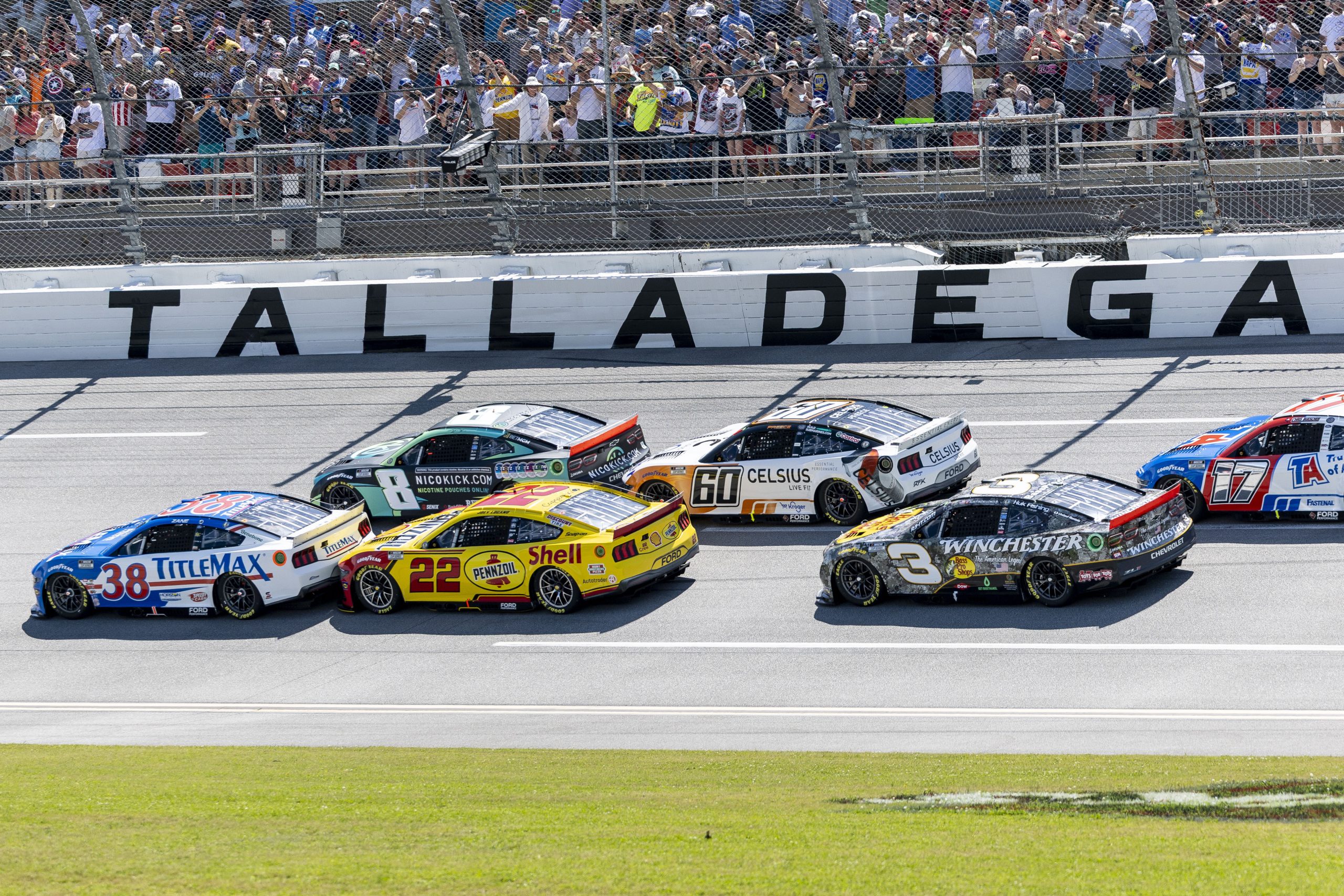
POLICY WIRE — Charlotte, NC — For racing enthusiasts, that engine roar at Talladega Superspeedway isn’t just about raw speed; it’s progressively more about navigating a veritable labyrinth of streaming services and thorny broadcast deals. This Sunday’s Jack Link’s 500, part of the 2026 NASCAR Cup Series, stands as a stark exemplar of how the sport’s wrestling with this increasingly fragmented media landscape.
It used to be so unfussy. You’d tune into a major network, perhaps a familiar cable sports channel, — and boom – your race was right there. Not anymore, friend. Now, catching all that high-octane action, from hair-raising qualifying laps to the triumphant checkered flag, requires what feels like a digital scavenger hunt across multiple, often pricey, platforms. It’s a seismic trend, recalibrating how fans even connect with their cherished sport.
Behind the splashy headlines of who’s currently leading the standings – this particular weekend, it’s Tyler Reddick, still fresh off his win at the AdventHealth 400 at Kansas Speedway – lies a far more profound narrative, one that’s acutely focused on accessibility and the relentless battle for those precious viewer eyeballs.
NASCAR President Steve Phelps grasps this quandary intrinsically. He gets it. Aren’t we all just trying to meet our audience where they already are, anyway?
“We’re always looking to meet our fans where they’re, whether that’s on traditional television or the burgeoning world of streaming,” Phelps recently told reporters. “It’s a balancing act, making sure the roar of the engines is accessible to everyone, everywhere, without diluting the core experience.”
The math, it’s pretty unvarnished. While traditional broadcast still pulls in sizable numbers — the 2024 Daytona 500, for instance, pulled in an average of 7.67 million viewers on Fox, according to Nielsen data, a figure that’s nothing to sneeze at but also not exactly skyrocketing upwards — digital streaming, on the other hand, that’s where the real growth is. Fans, particularly those younger demographics, they don’t just expect content on demand; they demand it, through sleek apps, often (they’ll tell you) without a single thought of a cable subscription.
But does this constantly evolving model truly serve the fan, the very lifeblood of the sport? Or does it primarily serve the ravenously hungry bottom line of sports leagues — and sprawling media conglomerates? We’ve got to wonder.
For one, this Sunday’s Jack Link’s 500, scheduled for April 26, kicks off at 3 p.m. ET on old faithful Fox. Not so bad, right? Except — and this is where it gets tricky for the average Joe — qualifying races on Saturday demand a subscription to Prime Video. Want those alternative, up-close driver-cam angles, the ones that really put you in the cockpit? That’ll be HBO Max, naturally. And that’s just one solitary race, a mere speck in the vast season. Following the entire 2026 season without a traditional cable package? Well, that requires nothing short of a veritable patchwork quilt of subscriptions, including DirecTV Stream or Hulu + Live TV for channels like NBC, USA, and FS1, plus Peacock for all that NBC/USA content, and, you guessed it, even more Prime Video for select marquee races like the illustrious Coca Cola 600.
It’s honestly enough to make even the most dedicated, long-suffering fan want to hurl their remote clear across the room, smash it to bits.
Related: Khushdil Shah’s Unlikely Heroics Shake PSL, Challenge Cricket’s Established Order
Few outside the sport truly comprehend the sheer, mind-boggling magnitude of the media deals now propelling NASCAR’s powerful engine. These multi-billion-dollar agreements — colossal sums of money, let’s be frank — directly fund teams, tracks, and those ever-important prize purses, keeping the entire intricate industry purring along. Yet, the question of fan experience, that elusive Holy Grail, remains preeminent.
And yet, this exasperating fragmentation isn’t unique to American motorsports alone. Across the globe, you’ll see it everywhere, from the exploding popularity of Formula 1 in the Middle East to the ardent fan base for cricket’s Pakistan Super League (PSL) — everywhere, sports organizations are contending with the age-old dilemma: how to maximize revenue while cultivating a truly loyal, engaged audience. Many in countries like Pakistan, mind you, rely almost entirely on digital platforms for their sports fix, having long since leapfrogged traditional, old-school cable models.
One media executive, speaking on background, laid it bare with a bluntness that stung:
“The economics of live sports broadcast rights are simply staggering now. Teams and tracks benefit, but the viewer experience – the sheer effort it takes to follow a full season – that’s a growing challenge we’re all confronting. There’s a sweet spot between revenue — and reach, and we’re constantly searching for it.”
Make no mistake, the revenue generated from these diversified broadcast avenues is absolutely imperative. It vigorously undergirds innovation, propels driver development, — and secures the continued pageantry of the sport. But it also inadvertently creates significant impediments for casual viewers, potentially dwindling the overall audience over time if it isn’t managed with extreme care.
What This Means
The current broadcast landscape for NASCAR, it denotes a truly pivotal inflection point for virtually all live sports. It connotes an unmistakable shift away from singularly dominant viewing platforms towards a bespoke, subscription-heavy model. For NASCAR, this means both immense boon — and considerable hazard.
Economically speaking, the veritable flood of cash from multiple streaming partners undeniably fortifies the sport’s financial health, facilitating larger, more strategic investments in technology and sophisticated marketing campaigns. Politically, this fragmentation could indeed lead to a louder clamor for simplified viewing options, perhaps even regulatory pressure on platforms to offer more sensible bundled services or, at the very least, far clearer guidance for beleaguered consumers.
Diplomatically, the global, ubiquitous reach of these digital platforms subtly intimates a wider, as yet unrealized international audience. As the sport eyes new markets, particularly in regions like South Asia and the Middle East where digital consumption is quite frankly ubiquitous, the broadcast strategy deftly employed for races like the Jack Link’s 500 will, without a doubt, serve as a crucial template for future expansion efforts.
Ultimately, NASCAR’s overarching strategy will dictate not merely its financial success, but its very cultural resonance in the decades to come. Will it solidify into a sport for the dedicated few, those willing to juggle multiple subscriptions, or will it remain a truly accessible American pastime?
Industry analysts, they often posit that a future amalgamation of streaming rights or, at the absolute minimum, a far more unambiguous ‘NASCAR Pass’ style offering, seems utterly ineluctable. Otherwise, the sheer, visceral joy of watching a high-speed battle — a true ballet of steel and grit — at Talladega might just be submerged forever in the bewildering, endless scroll of app icons.
Related: Oklahoma City Thunder Forge Civic Identity From Resilience and Hoops