


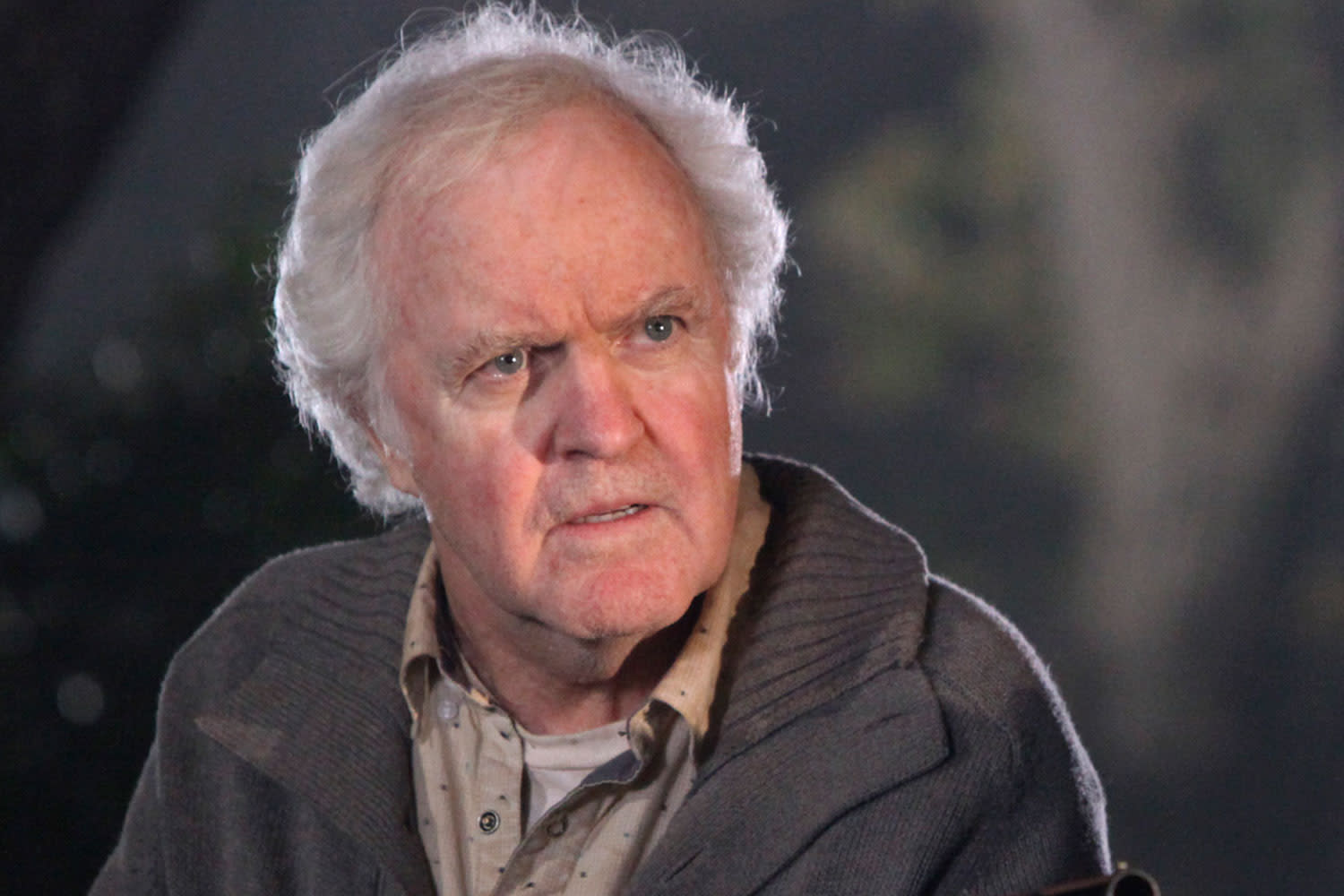
Hollywood’s Shadow: Domestic Tragedy Strikes ‘Top Gun’ Alum in L.A.
POLICY WIRE — Los Angeles, USA — The glittering facade of Southern California life, usually reserved for publicists and premiere nights, lately played backdrop to a considerably more unvarnished...

POLICY WIRE — Los Angeles, USA — The glittering facade of Southern California life, usually reserved for publicists and premiere nights, lately played backdrop to a considerably more unvarnished scene. No red carpet. No orchestrated applause. Instead, it was the abrupt, violent end of an actor’s private chapter, a grim affair that pulled back the curtain on a vulnerability that recognizes no fame or fortune. And it certainly makes one pause.
It was James Handy, whose face flickered on screens from Top Gun: Maverick to countless episodic television dramas, who found himself at the epicenter of this domestic calamity. News reports, often quick to sensationalize, pointed to a much more prosaic, yet profoundly tragic, unfolding within the confines of his own living space. Because, let’s be frank, even Hollywood has basements — and family drama. Even Hollywood isn’t immune to the blunt force of human conflict.
The incident itself seems ripped not from a script, but from the everyday tragedies that fill police blotters worldwide. Authorities descended upon the residence. And there it was, another life cut short. The raw facts, as pieced together through the sparse official acknowledgements, sketch a picture that’s both painfully intimate and depressingly familiar. The Los Angeles County Sheriff’s Department subsequently apprehended a suspect: the son of Handy’s girlfriend. What exactly transpired that led to this deadly confrontation remains, for now, relegated to ongoing investigation, with specific details carefully guarded by the law enforcement apparatus. [QUOTE_PLACEHOLDER]. One imagines the scene was not one for casual onlookers.
It’s always the private spaces where the greatest traumas often unfurl. These aren’t political assassinations, not corporate power plays. These are the whispers and shouts, the festering resentments that morph into sudden, irreversible acts of violence within families. But the shock of it doesn’t just dissipate; it lingers. It curdles the perception of safety for those who admired his craft, and those who simply inhabit the same sprawling metropolis.
This isn’t an isolated anomaly either, even if its subject wears a famous face. While specific crimes ebb and flow, Los Angeles, for all its charm and wealth, grapples with its share of such dark occurrences. For example, homicides in Los Angeles saw a 3.5% decrease in 2023 compared to the previous year, though overall violent crime remained a persistent concern for residents (Los Angeles Police Department Annual Report, 2023). It’s a stark reminder that beneath the city’s aspirations and cinematic grandiosity, very real threats persist for its inhabitants, famous or otherwise.
The tragedy prompts us to consider the quiet fragility of domestic peace everywhere. This particular pattern of localized, interpersonal conflict escalating to its grim conclusion isn’t confined to Hollywood’s peripheral glow. It’s a raw, unsettling echo of grievances that flare across countless neighborhoods, from America’s manicured suburbs to the densely packed communities of Lahore or Karachi, where similar narratives of fractured relationships and sudden violence often fail to capture global headlines. But make no mistake, the human toll is universally understood. What differs is often the depth of analysis, the resources marshaled, — and the ensuing international outcry. A veteran actor’s demise in L.A. receives its due scrutiny. The everyday citizen’s? That’s usually a different story. And there’s the rub.
One wonders what further details might emerge as the legal process grinds onward. We don’t yet know the underlying currents that contributed to such a catastrophic breakdown in trust — and civility. Authorities have confirmed an arrest, sure, but the narrative beyond that remains largely unwritten for public consumption. [QUOTE_PLACEHOLDER] or [QUOTE_PLACEHOLDER]. Whatever the case, it paints a rather grim tableau for a locale frequently associated with escapism.
What This Means
This incident, stripped of its celebrity overlay, offers a chilling policy observation: the persistence of domestic and inter-familial violence, even in environments supposedly buffered by economic advantage and robust social services. It implies that deeply rooted issues of conflict resolution, mental health, and substance abuse—all frequent drivers of such incidents—transcend societal strata. Politically, while this isn’t a national security crisis, it underscores the continuous pressure on local law enforcement and social services to manage crises born from personal dynamics. We’re talking about the messy, expensive aftermath of a society that, despite its advancements, hasn’t quite figured out how to defuse emotional bombs before they detonate. Economically, while one celebrity death won’t tank the stock market, the broader societal cost of domestic violence, in terms of healthcare, legal fees, and lost productivity, is staggering. it subtly erodes the sense of communal safety, something a city like Los Angeles, heavily reliant on tourism and image, needs to consistently project. The illusion of safety—or perhaps the fickle hand of policy—often depends on such appearances. But when the violence occurs within the sanctuary of home, even with high-profile individuals, it makes a statement that can’t be easily spun. It’s a testament to human fallibility, a kind of existential baseline regardless of the glitz. This isn’t just about an actor; it’s a quiet alarm bell about the human condition itself.
It’s also a stark reminder that the very same complex human relationships and domestic strife that tragically define countless families in Islamabad or Dhaka, also play out, with equal intensity and devastation, in the quieter corners of Beverly Hills or Burbank. The details may differ, but the inherent brokenness, the human capacity for sudden, profound aggression against those closest to us, that remains constant. And we haven’t quite figured out how to legislate that away. Nor have we figured out a surefire strategy for its prevention beyond reactive measures, proving it’s an intractable problem far beyond the reach of simple policy prescriptions.