


Urban Frontier Breach: A Bear’s Rampage and the Thinning Veil of Civilization
POLICY WIRE — Olympia, Washington — For a fleeting afternoon, the meticulously curated hum of commerce and suburban tranquility evaporated into a primal shriek. It wasn’t an economic crash, a...

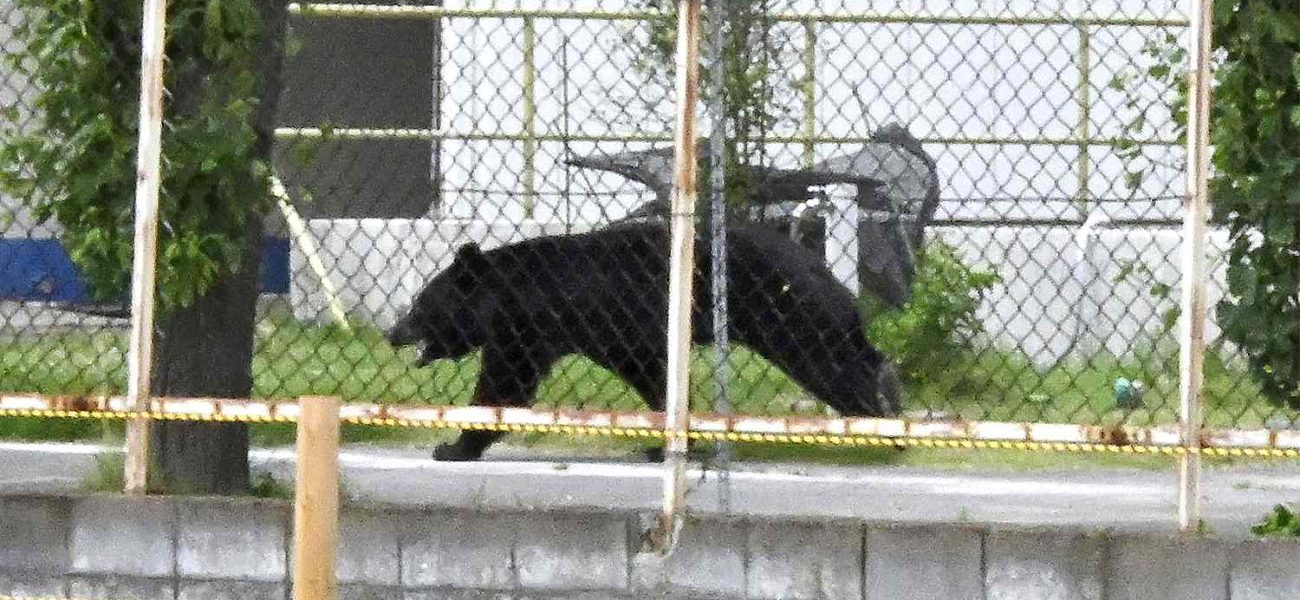
POLICY WIRE — Olympia, Washington — For a fleeting afternoon, the meticulously curated hum of commerce and suburban tranquility evaporated into a primal shriek. It wasn’t an economic crash, a sudden political scandal, or some esoteric fiscal glitch that tore through Olympia’s neatly defined perimeter last Tuesday; it was, quite unexpectedly, a black bear. A singular, bewildered apex predator, perhaps, but one that left four individuals with injuries and policymakers—or at least, anyone paying attention—with an unsettling sense that the boundaries we construct, both physical and conceptual, are increasingly tenuous.
It’s usually the predictable metrics we obsess over in urban planning: traffic flow, housing starts, zoning variances. But then, an ursine invader turns an office park into its personal, panic-fueled playground. It’s disarmingly simple, really: civilization assumes dominance. It assumes nature, largely, stays in its box. But what happens when the box is shrinking, — and its inhabitants, a bit stressed, wander into yours?
The creature, a roughly 250-pound male, wasn’t looking for a venture capitalist position. Nope. He ambled straight into a professional building on Evergreen Park Drive, then onto a residential street. And you’ve got to ask yourself: where does a bear even go when its accustomed foraging grounds are steadily paved over, bit by bit?
“We’ve always prided ourselves on thoughtful urban planning here in Olympia, but you can’t zone out Mother Nature, can you?” remarked Mayor Stephen Thompson, a veteran of local politics who’s seen his share of bizarre public emergencies, but likely never one quite so hairy. “It’s a sobering reminder of the interconnectedness of our growth — and the natural world around us. Public safety is paramount, absolutely, but so is understanding why these events are becoming less rare.” He sounded genuinely flummoxed, as anyone would be when wild animals are making unsolicited office visits.
The incident wasn’t just a momentary shock. For businesses, it was a real, tangible disruption. “Lost productivity, damaged property, shattered nerves—these aren’t just sensational headlines; they’re real economic disruptions,” noted Ms. Evelyn Reed, President of the Olympia Chamber of Commerce. “Businesses had to lock down, staff sent home early. This impacts the bottom line, it impacts worker confidence. We need clearer policies on managing wildlife interaction in our expanding urban areas. It’s not a fringe issue anymore; it’s a security and economic concern.” Her voice carried a certain exasperated weariness, the kind you get when the unexpected becomes depressingly regular.
And Ms. Reed isn’t wrong. Wild animal-related damages, including crop destruction — and infrastructure impacts, already cost U.S. farmers and communities billions annually, with studies showing an upward trend driven by habitat loss and climate change. It’s an escalating bill that we, the taxpayer — and consumer, ultimately foot. It’s not just a cute wildlife story anymore; it’s policy failure with teeth and claws.
📄 POLICY WIRE WHITEPAPER PUBLISHED: PAKISTAN'S NATIONAL SECURITY POLICY PRIORITIES
👉 READ BY CLICKING HEREBut this isn’t exclusively an American problem. Far from it. Across the globe, similar pressures are playing out. In regions like Pakistan and parts of South Asia, the delicate balance between expanding human settlements and animal habitats—be it leopards encroaching on villages in Gilgit-Baltistan or monkeys marauding through city markets—is a persistent challenge. Rapid urbanization, deforestation, and changing agricultural practices force wildlife into ever-closer proximity with human populations, leading to dangerous confrontations and questions about the very sustainability of existing land-use strategies. These incidents are a stark reminder that ecological disruption knows no borders.
The bear, thankfully, was tranquilized — and relocated. But it’s not really about this bear, is it? It’s about the next one. It’s about the coyotes, the deer, the mountain lions, the ever-expanding list of creatures increasingly comfortable in our concrete jungles because, well, they don’t have anywhere else to go.
What This Means
This episode, which felt like something out of a quirky local news reel, carries far weightier implications for policy. We’re seeing the sharp end of unmanaged urban sprawl—not just traffic jams and endless strip malls, but literal collisions with the natural world. Governments, both local and national, routinely pay lip service to environmental protection while simultaneously green-lighting developments that chew further into wilderness corridors. Because who wants to tell a developer ‘no’? This incident highlights a gaping void in coherent human-wildlife cohabitation policies, something rarely funded adequately until after a crisis. It speaks volumes about an implicit human exceptionalism that assumes our boundaries are impenetrable, our progress an unchallenged right. When a wild animal is suddenly sharing your workday, it punctures that comfortable illusion. it exposes the subtle economic vulnerabilities of urban centers to highly localized, unpredictable events—events that climate change and habitat destruction are making anything but rare. Policy makers can no longer afford to dismiss these as mere curiosities; they’re, in fact, increasingly common tremors in the foundation of our seemingly stable, well-ordered lives.