


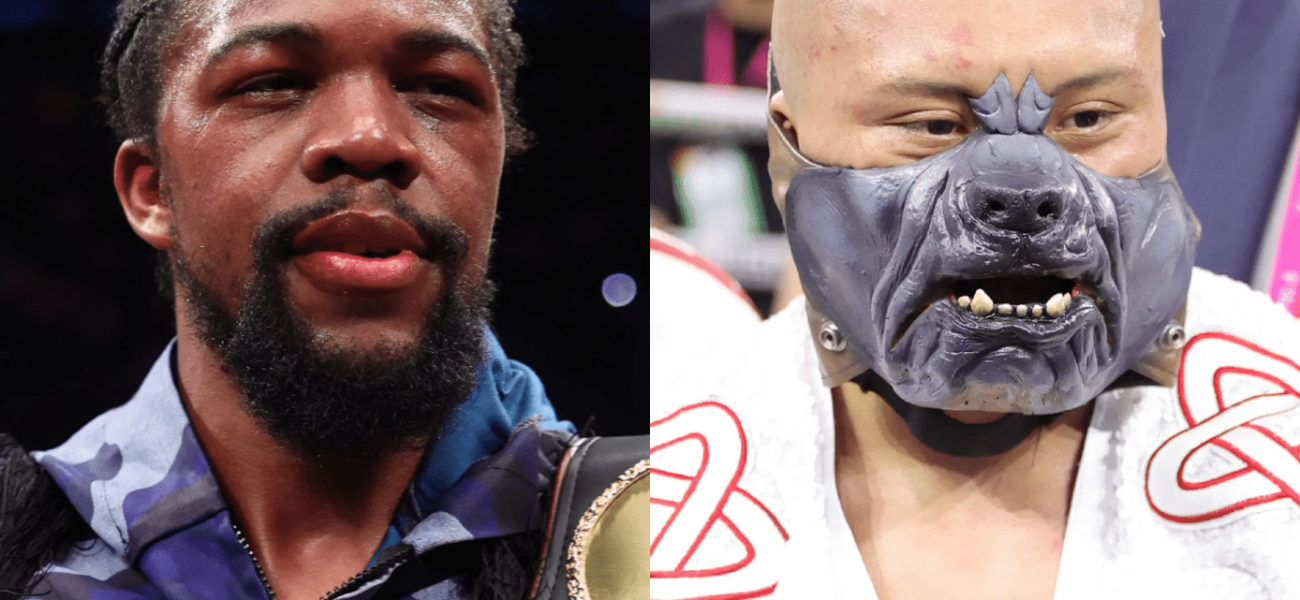
Velvet Ropes and Heavy Fists: The Unlikely Drama of Russell vs. Cruz
POLICY WIRE — Las Vegas, USA — When you talk prize-fighting, you’re usually talking about broken noses and eight-figure purses. But for Gary Russell Jr. and Isaac “Pitbull” Cruz, the real fight might...

POLICY WIRE — Las Vegas, USA — When you talk prize-fighting, you’re usually talking about broken noses and eight-figure purses. But for Gary Russell Jr. and Isaac “Pitbull” Cruz, the real fight might just be getting into the ring at all. This isn’t just about a potential summer showdown; it’s a meticulous ballet of managerial strategy, title politics, and the relentless quest for relevance in a brutal sport that often demands more than its athletes can physically give.
It’s become almost an axiom: a truly generational talent will, eventually, fade into obscurity not because of a bad chin or an empty gas tank, but because he can’t get fights. And for a spell, it felt like Russell, with his slick moves and precision, was destined for that quiet, frustrating oblivion. Imagine training relentlessly, your body a finely tuned instrument, only to play once every year, maybe once every two. He’s 29 now, Gary Antuanne Russell is, with a tidy 19-1 record — and 17 KOs to his name. That solitary loss? It’s not from a true peak challenge. He recently fought on February 21, successfully holding off a solid challenge from Andy Hiraoka. That’s good. But here’s the kicker: if this next fight does happen in 2026, it would be the first time since 2022 that Russell has fought twice in a calendar year. Think about that for a second. It’s almost unheard of for someone holding a major belt in their prime.
Now, word on the street, whispered first by ESPN Knockout’s Salvador Rodriguez, suggests that Gary Antuanne Russell and Isaac “Pitbull” Cruz are likely to fight in August or September. They’re tossing around August 22 and September 5 as possible dates, which feels both thrilling and, honestly, a bit precarious given boxing’s notorious schedule reshuffles. It’s all targeted for Las Vegas, naturally. Where else do you go to stage such a high-wattage gamble?
Cruz, 28, is another breed altogether. He’s not got Russell’s silky smooth, technical approach; no, he’s what we call a grinder, a come-forward wrecking ball. He’s already carved out a significant niche: he’s the WBC’s interim champ at the weight. Not only that, he’s a former WBA titleholder at 140, — and title challenger at 135. Cruz is coming off of a draw with Lamont Roach Jr last December. Most of the folks watching probably felt Roach deserved the win that night, but two judges scored it 113-113, and the third scored for Cruz, 115-111. It’s those tight decisions that get fight fans talking for weeks. But here’s the unarguable bit: Cruz did drop Roach in the third round. So he hits hard, regardless of the scorecards.
The WBA super lightweight title would be on the line for Russell if this goes down. This isn’t just some glorified sparring session; it’s a unification bout by another name, albeit for an interim title for one fighter. It’s exactly the kind of messy, bureaucratic entanglement that keeps boxing columnists — and indeed, policy wonks interested in how disparate authorities assert influence — well-fed. But what’s really appealing? Russell vs Cruz could be a terrific fight. Cruz is a fearless, come-forward fighter. And at his best, Russell is a strong technician with some good pop — and timing. They’re stylistic opposites. You just know that it could bring the best out of both men in terms of entertainment. They say opposites attract; in the ring, they often explode.
You’ve gotta hand it to these guys for even contemplating this. It’s the kind of high-risk, high-reward proposition that, frankly, some other top-tier boxers spend entire careers carefully avoiding. It’s about legacy, yes, but also about the hard cash and cultural capital that come with pushing your limits in a globally broadcast spectacle. Because let’s face it, fights like this aren’t just for American audiences; they echo across continents. Global boxing revenue, according to industry analyst Combat Sports Analytics, topped $2 billion in 2023, reflecting increasing engagement from diverse international audiences.
Consider the passion for combat sports in places like Pakistan, for instance. Though boxing struggles to compete with cricket for grassroots attention, the fervor for international martial arts — whether it’s local wrestling or UFC from afar — runs deep. A marquee matchup, two determined warriors in their prime, fighting for honor and a title, captures imaginations everywhere, offering a sense of triumph and striving that transcends borders. It’s a reminder that true ‘effort,’ that raw, visceral struggle, registers far beyond the box score. It resonates whether you’re in Detroit or Karachi, connecting disparate communities through shared awe for human achievement, or maybe just through the sheer spectacle.
📄 POLICY WIRE WHITEPAPER PUBLISHED: PAKISTAN'S NATIONAL SECURITY POLICY PRIORITIES
👉 READ BY CLICKING HEREWhat This Means
This isn’t just another date on the calendar; it’s a policy statement from the boxing world. For Russell, it’s a defiant roar against the whispers of stagnation. Two fights in one year, after all this time? It means his camp is making a genuine push for renewed activity and solidifying his place in the super lightweight pecking order. If he wins, it puts him firmly back into conversations for bigger paydays, potentially even undisputed fights down the line, elevating him from a well-respected technician to a true superstar commodity. Because the marketplace in combat sports rewards consistency — and headline-grabbing performances, not just talent.
For Cruz, holding the WBC interim title but challenging for a WBA strap creates a fascinating, albeit convoluted, power play among the sanctioning bodies. A win here would elevate his bargaining position enormously, giving him leverage over promoters and rival champions alike. It complicates the championship picture but simultaneously offers a path to genuine lineal supremacy. Losing, on the other hand, risks unraveling some of the prestige he’s built through his ‘Pitbull’ persona and relentless style. Such high-stakes events don’t just affect individual careers; they redistribute the power dynamic across the entire sport. The chosen location of Las Vegas, the undisputed capital for these gladiatorial contests, also signals the economic heft expected from the bout. Its success or failure could impact future investment in fight sports for the region, influencing tourism, hospitality, and broader economic policies concerning entertainment.
This fight also speaks to the broader economic reality of modern professional boxing. In an era dominated by promotional disputes — and a fragmented title landscape, fights like Russell vs. Cruz—true contests between top-tier, stylistically complementary fighters—are becoming increasingly rare and therefore, economically valuable. The policy implications? It reinforces the idea that even amidst complex power structures, compelling matchups drive viewership and, crucially, revenue. It also reflects how global markets, from the US to beyond San Antonio, are craving authenticity, raw competition that often, boxing struggles to consistently provide. You really can’t understate what it does for the health of the entire industry.
It comes down to this: if we get this fight, who do you like to win? The precise technician with the frustratingly light schedule, or the relentless, hard-hitting brawler seeking to consolidate his growing influence? Vegas money might have an answer, but until the bell rings, it’s all conjecture. And that, dear reader, is half the fun.