


Hoosier Heartbreak: Delta Girls’ Semifinal Exit Masks Epic IHSAA State Run
POLICY WIRE — Indianapolis, USA — A story about high school girls playing tennis typically doesn’t make international headlines. And yet, the recent Indiana state tournament for...

POLICY WIRE — Indianapolis, USA — A story about high school girls playing tennis typically doesn’t make international headlines. And yet, the recent Indiana state tournament for girls tennis provides a surprisingly potent lens through which to examine broader policy questions—from community investment in youth development to the often-underestimated diplomatic potential of sporting endeavors.
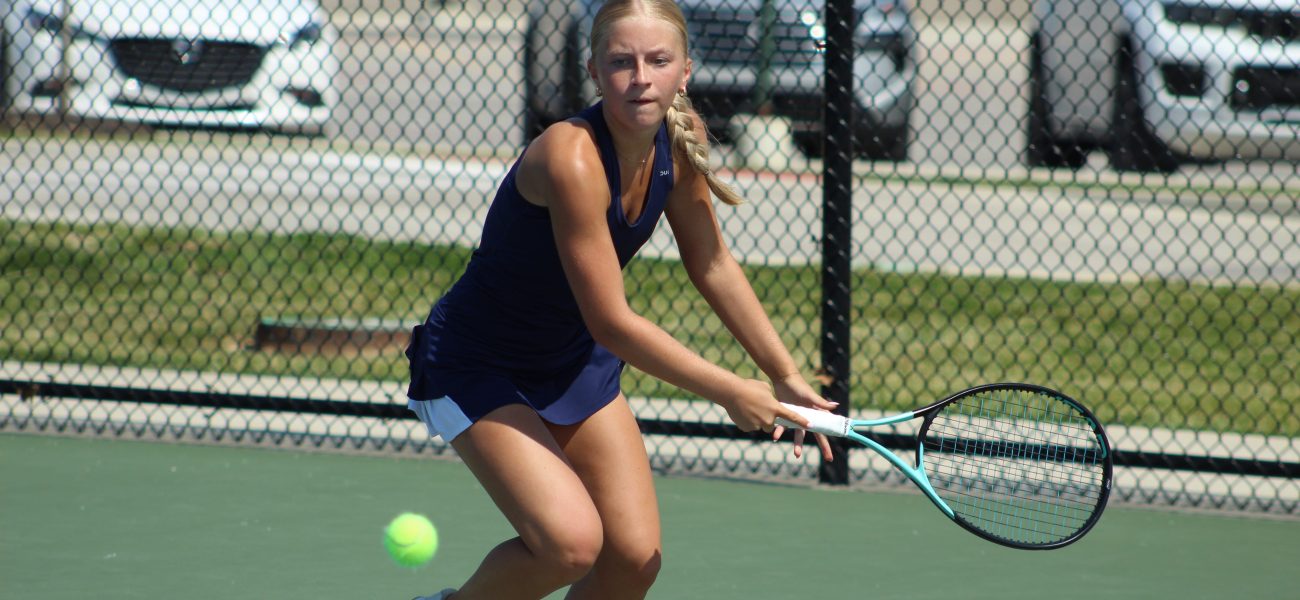
Down at North Central High, in the decidedly un-glamorous world of Indiana High School Athletic Association championships, the Delta Eagles found themselves staring down No. 3 Carmel in the state semifinals. They’d already beaten the odds. Repeatedly. No. 15 Delta wasn’t supposed to be there, not after dispatching the No. 8 and No. 10 ranked teams in prior rounds. Their season ultimately ended with a 4-1 loss, stopping short of Delta tennis’s first-ever state championship appearance. But forget the scoreboard for a second; that’s the least interesting part of this whole affair. It’s the resilience, the collective effort, — and the long game that demands a closer look. [QUOTE_PLACEHOLDER]
For a squad that finished its run as only the fifth team in Coach Tim Cleland’s lengthy 67-season Delta tennis tenure to reach the state’s final four, the outcome feels less like a defeat and more like a hard-won lesson. “Final four in the state in a one-class tournament is amazing,” Cleland observed, without a hint of false modesty. “We’ve beaten two top-10 teams in the last week, so we’re not doing it with an easy route, that’s for sure.” And he’s right. They weren’t on a charity cruise.
Before that final semifinal tilt, Stella Sieber had quite literally shouldered her team’s championship hopes, snatching a nerve-rattling tiebreak victory at No. 3 singles against Munster. “I definitely felt some pressure, but I just tried to not let it get to me,” Sieber admitted later. But that’s the stuff of legends, isn’t it? Single athletes carrying the weight, performing under the klieg lights of local expectation. Her heroics — securing that win after her doubles teammates had already done their part — gave Delta its entry to the penultimate round. Their doubles teams, in fact, have been Delta’s undeniable superpower all season long, with seniors Elizabeth Bamidele and Rowan Hinds racking up an undefeated 26-0 record until they faced Carmel. “Our doubles have done it all year … and that’s against eight state-ranked teams,” Cleland proudly noted. That kind of consistency, well, it speaks volumes about strategy — and execution.
Carmel, for their part, entered the match somewhat weary, having battled in a nearly four-hour quarterfinal showdown themselves. But fatigue, as often happens in high-stakes competition, became secondary to raw talent. The Greyhounds clinched their spot in the finals, sending the Eagles home. Still, freshman Sophie Crabtree battled through a Herculean hour-and-40-minute first set, showcasing grit far beyond her years, even though the match outcome was already decided. “I’m very proud of (Crabtree) because that’s a lot of pressure on a young player in that setting,” Cleland told reporters. “But I guarantee if the match had still been 2-2, she’d have been fighting for another three hours.”
📄 POLICY WIRE WHITEPAPER PUBLISHED: PAKISTAN'S NATIONAL SECURITY POLICY PRIORITIES
👉 READ BY CLICKING HEREBecause that’s what this sort of endeavor truly builds: character. Five of Delta’s seven varsity starters were seniors — athletes like Marshall and Sieber who earned academic all-state honors, or Bamidele, a Lilly Scholar. They’ve been multisport athletes, demonstrating a kind of holistic development that flies in the face of hyper-specialization often seen in youth sports. And it shows. “The thing that’s underestimated is the character of the athletes,” Cleland said, summarizing it all quite neatly. “Our kids are high-character. Good parents, smart, coachable, all the things that you’ve got to have to really put runs together.” Kate Manor and Rowan Hinds, both four-year varsity players, now hold the top two spots for career wins in Delta girls tennis history with 96 and 90 victories respectively. Their departure marks an end of an era, sure, but not an ending to the legacy. “We’ve been best friends playing together since kindergarten or first grade,” Hinds recounted. This bond, it wasn’t just about forehands — and backhands.
What This Means
This isn’t just about a local tennis team, you see. It’s a microcosm, a reflection of strategic investments in human potential — and community fortitude. In countries like Pakistan, for instance, efforts to broaden sports participation, especially for girls and young women, face considerable infrastructural and cultural hurdles. Where Delta has established a long-standing, generational program supported by strong local community, many South Asian nations are still figuring out the basics. But the underlying principle — that organized sports teach discipline, teamwork, and resilience — is universally applicable. These aren’t just athletic achievements; they’re investments in future leaders, critical thinkers, and resilient citizens. According to the National Federation of State High School Associations (NFHS), tennis ranks among the top ten most popular sports for high school girls in the U.S., with over 187,000 participants in 2022-2023, showcasing a sustained commitment to accessible youth sports programs that cultivate skills far beyond the court. Such broad-based participation can be a metric in itself of a society’s belief in holistic development, fostering competitive spirit without sacrificing personal growth.
When Coach Cleland talks about high-character kids, and the seniors reflect on their friendships and what they’ve built, they’re articulating a policy success: the effective nurturing of young talent, both on and off the court. It shows what’s possible when effort isn’t just applauded but strategically enabled through sustained programs. In the intricate geopolitics of youth development, these are the wins that count, irrespective of what the official scorecard says at state finals.