


Khushdil Shah’s Unlikely Heroics Shake PSL, Challenge Cricket’s Established Order
POLICY WIRE — Lahore, Pakistan — Few sights in T20 cricket are as jarring for fans as seeing two of the world’s most feared pace bowlers, Shaheen Afridi and Haris Rauf, get taken apart in the...

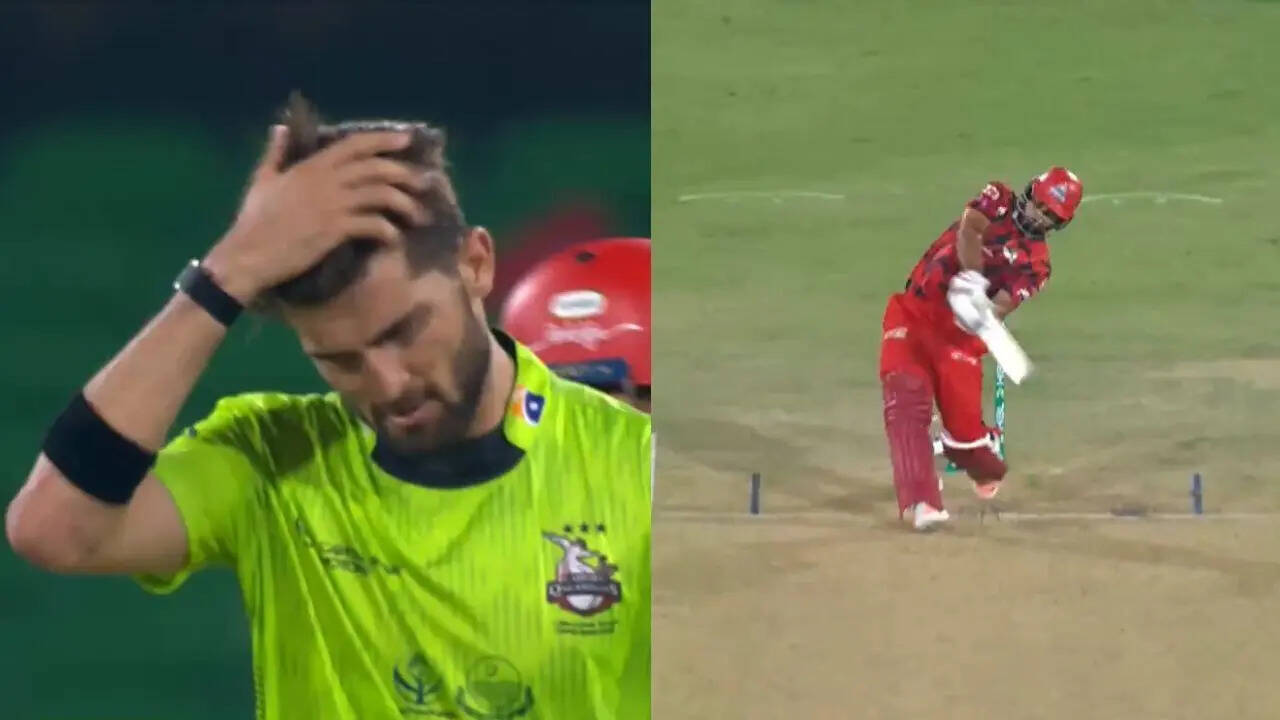
POLICY WIRE — Lahore, Pakistan — Few sights in T20 cricket are as jarring for fans as seeing two of the world’s most feared pace bowlers, Shaheen Afridi and Haris Rauf, get taken apart in the death overs. Yet, that’s precisely what materialized during a recent Pakistan Super League (PSL) clash, courtesy of Khushdil Shah (yes, that Khushdil Shah), an unassuming middle-order batsman for the Karachi Kings.
His scorching assault wasn’t just a match-winning cameo; it hammered home a brutal truth: that in the volatile world of T20, reputation, that delicate soufflé, often collapses under the harsh glare of raw, unadulterated execution when the stakes are highest. Make no mistake (and you really shouldn’t), this wasn’t some gentle prod — and run. Khushdil smashed 37 runs off a mere 10 deliveries against a bowling attack widely considered among the best in the business.
For much of the evening, chasing a redoubtable 200 set by the Lahore Qalandars, the Kings had found themselves in a customary pickle. Fakhar Zaman and Abdullah Shafique had buttressed Lahore’s innings with panache, leaving Karachi with an Everest to scale. Even with veteran David Warner (63 not out) attempting to steady the ship, the required run rate soared, and the game seemed destined for a Lahore victory.
And then came Khushdil. Just like that. An innings of 44 from just 14 balls, a strike rate bordering on absurd, completely unstitched Lahore’s carefully laid plans. Who could’ve predicted it? Not many. Certainly. That’s the beauty, — and indeed, the beast of this format.
But still, the question — a thorny, nagging little burr under the saddle — hangs there in the humid air: how on earth could two titans of the sport, men renowned for their surgical precision and blistering pace under pressure, yield fifty runs in just three overs, especially when their recent national team showings had made them seem all but invincible? Their formidable form for the national team had, after all, led many (the optimists, bless their hearts) to assume an almost impenetrable mastery in such situations.
“What Khushdil did was phenomenal, truly. He looked like he was batting on a different pitch,” remarked Ramiz Raja, former Pakistan captain and current cricket commentator. “It’s a blazing endorsement of the PSL’s competitive nature, but it’s also a wake-up call for even our most seasoned behemoths. Nobody. Immune.”
The PSL, a jewel in Pakistan’s sporting crown, routinely ensnares audiences across the South Asian and Muslim world, boasting viewership figures that rival some of the biggest global leagues. Its success isn’t just about entertainment; it’s a crucial conduit for unearthing and cultivating gems, often showcasing players like Khushdil who might otherwise languish on the periphery of international attention.
In fact, data from sports analytics firm Cricinfo shows that ‘death over’ run rates in high-scoring PSL matches have climbed by nearly 15% over the last three seasons, indicating an increasing propensity from batsmen to take aggressive risks against even the goliaths of the crease.
Beyond the immediate result, this performance stokes fresh debates about player selection and strategy within Pakistan cricket. Is enough being done to foster more death-overs specialists? Are star bowlers being over-burdened in high-pressure scenarios, leading to burnout or strategic staleness?
“We’re constantly scrutinizing showings, especially in a league as intense as the PSL,” said a spokesperson for the Pakistan Cricket Board (PCB), speaking off the record. “While our foremost fast bowlers are world-class, this game showed that every team, every player, needs to pivot and progress. It pushes everyone to be better.”
What This Means
This single innings by Khushdil Shah isn’t just a highlight reel moment; it carries far-reaching repercussions. For starters, it illuminates the wild economic currents of T20 cricket, where a relatively lesser-known player can, in one fell swoop, catapult his market worth and draw fresh sponsorships, pumping new money into the ecosystem. This narrative of unexpected heroes is indispensable for leagues like the PSL looking to amplify their worldwide resonance and appeal.
Then there’s the psychological impact. For the Kings, it’s a desperately-needed jolt of self-belief, a conviction that they can vanquish any target, any bowling attack. Conversely, for Lahore and their star bowlers, it plants a seed of uncertainty, a chink in the armor — a whisper of a hairline crack that opposition analysts (those ever-vigilant vultures) will undoubtedly dissect and exploit with surgical glee. You’re talking about professional athletes here, right? Even a minor dent to their hard-won aura, that carefully constructed facade of invincibility, can trigger a whole avalanche of ripple consequences.
From a broader South Asian perspective, the PSL continues to cement its standing as a premier T20 tournament, nurturing a cutthroat arena that directly fortifies the national squad. It’s not just a game; it’s a national project (and a fiercely passionate one at that), a source of unfathomable pride and an engine of athletic aspiration across the region. And that matters, deeply, to a cricket-mad nation like Pakistan.
The numeric truth bites hard: in the headlong rush of T20, even a few balls can reinvent a match, a season, or a career. For all the talk of analytics and matchups, the human element — that messy, brilliant, infuriating spark of daring, of unbridled aggression in the face of daunting odds — still holds ultimate, unbreakable sway, like a primeval, unpredictable force.
The PSL has always been a crucible of genius and spectacle, but this particular episode will echo far past the ropes of the pitch. As former West Indies captain and T20 specialist Daren Sammy sagely articulated during a post-match interview, “In this format, you’re only as good as your last over. And sometimes, one guy can make you look like you’ve never bowled a ball in your life.”
His words. They carry weight. Expect teams, and indeed national selectors, to begin bestowing an elevated valuation on ‘clutch’ players who can perform under such intense pressure, regardless of their international pedigree. It’s a shift that could reconfigure squad formations for future tournaments, both domestic — and international.
Related: De Zerbi Defies Despair as Tottenham Clings to Premier League Hope Amid Relegation Peril