

Nairobi’s Cold Shoulder: Youth Protests Expose Deeper Rifts Over US Citizen Ebola Quarantine
POLICY WIRE — Nairobi, Kenya — It wasn’t a revolution brewing, not exactly, but it sure felt like one of those moments that crystallize popular sentiment – ugly, raw, and unapologetically loud. On...

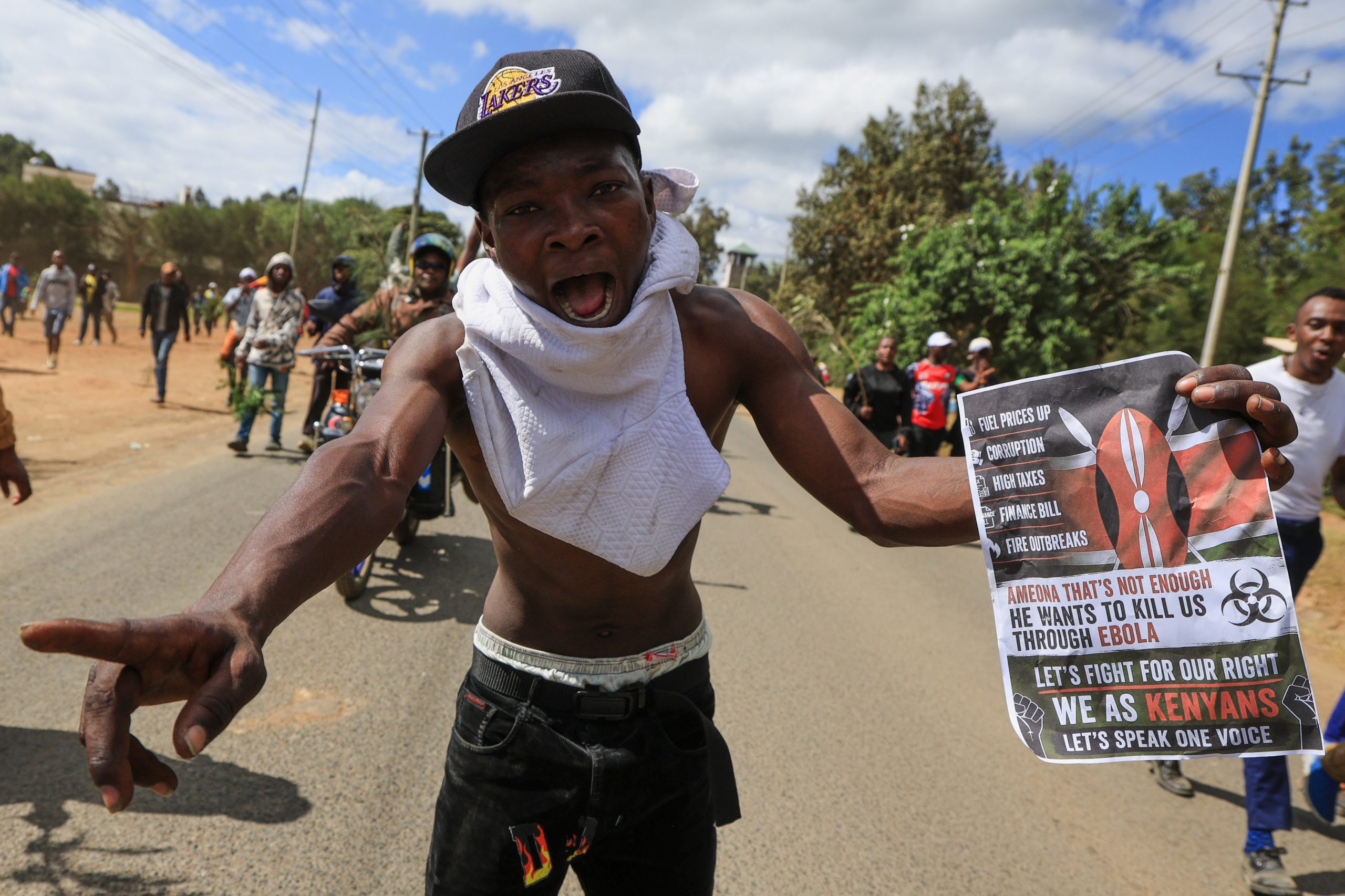
POLICY WIRE — Nairobi, Kenya — It wasn’t a revolution brewing, not exactly, but it sure felt like one of those moments that crystallize popular sentiment – ugly, raw, and unapologetically loud. On the dusty thoroughfares outside what was meant to be a quiet, sterile facility, hundreds of Kenyan youths weren’t just making noise; they were drawing a stark, unambiguous line in the sand. This wasn’t about public health alone. Oh no. It was about perceived injustice, about who gets protected, and more acutely, about whose lives count most when a killer pathogen starts knocking.
See, they weren’t there to demand more robust local healthcare – though that’s certainly a chronic issue across East Africa. And they weren’t necessarily condemning disease control efforts, even if those sometimes chafe against traditional customs. These kids were seething because American citizens, fresh from an Ebola-stricken region, were allegedly being afforded a quarantine setup they felt locals would never receive. A setup that felt, to many on the ground, like a gilded cage compared to the rusty bars awaiting their own compatriots. You can’t make this stuff up. The optics were terrible, downright inflammatory. Imagine the scene: US diplomats likely wringing their hands, while Kenyan officials probably mumbled platitudes about international cooperation, all against a backdrop of angry, young faces demanding answers no one was eager to give.
It’s a pattern we’ve seen before, this delicate dance between foreign aid, local suspicion, — and global health crises. During previous outbreaks, like the devastating Ebola crisis that reportedly far exceeded official counts in West Africa, the chasm between resources available to international relief workers and the communities they served became a constant source of friction. And in many Muslim-majority nations, particularly across South Asia, similar feelings of disaffection emerge when Western-led initiatives, however well-intentioned, clash with local sensitivities or appear to prioritize non-nationals. It’s a familiar echo.
Because let’s be honest: public health in much of the world, especially places like Kenya, operates on shoestring budgets. While US health agencies might boast of elaborate bio-containment protocols, facilities on the ground in many developing nations struggle with basic sanitation. And here were these youths, not dumb, not ignorant, watching foreigners arrive — and get what seemed like VIP treatment. You can’t blame ‘em for feeling like it’s a slap in the face. Their anger wasn’t just about Ebola, it was about centuries of economic disparity wrapped up in a new, virulent package.
The immediate catalyst for the unrest wasn’t hard to find. Reports, unconfirmed but widely believed in local circles, circulated that American citizens repatriated from West African hotspots would be housed in a purpose-built isolation unit. It wasn’t just the presence of a quarantine center that sparked ire, but the alleged difference in treatment. Some demonstrators reportedly shouted [QUOTE_PLACEHOLDER] if it were our people, they’d throw us in a tent, an alleged sentiment that captures the raw sense of injustice.
But the real fuse might have been lit by a more profound anxiety. There’s a pervasive unease among some Kenyan citizens, especially the youth, that their nation is perpetually caught between the interests of global powers and the everyday struggles of its own populace. The quarantine became a symbol, a concrete manifestation of perceived double standards. It’s a perception made even sharper by events on the continent, where the spectre of disease outbreak often carries an economic toll far beyond the health crisis itself, plunging families and nations deeper into poverty.
According to UNICEF data, over half (54%) of all health expenditure in low-income countries is paid out-of-pocket by individuals, placing an immense burden on already vulnerable populations, whereas wealthier nations rely predominantly on government and private insurance. That’s a brutal reality that informs these protests, making foreign-funded or foreign-focused interventions incredibly fraught politically.
This episode serves as a cold, hard reminder: foreign policy, public health, and local politics don’t exist in separate silos. They collide. They explode, sometimes. And the perception of fairness – or the lack thereof – can turn even a routine public health measure into a diplomatic incident. The protest itself was relatively contained, but the echoes will reverberate for some time in diplomatic circles and the psyche of Kenya’s urban youth. It’s not just about a virus; it’s about respect, plain — and simple.
What This Means
This incident is more than just a localized kerfuffle over health protocol. Politically, it signals a deepening cynicism among younger generations in many developing nations concerning Western influence. It’s not simply anti-Americanism; it’s a call for perceived equity in a globalized world, a rejection of post-colonial power dynamics dressed up in humanitarian garb. Governments, be they Kenyan or American, simply can’t ignore these undercurrents anymore. The immediate economic impact on Kenya might be minimal, assuming the protest didn’t escalate, but the long-term political cost for any future international collaboration — whether on health or development — could be significant. Because this isn’t isolated. It fits into a broader global narrative where nations like Pakistan, for instance, frequently wrestle with the thorny issues surrounding foreign aid, NGO operations, and perceptions of national sovereignty when it comes to sensitive projects, often leading to silent signals or outright friction over control and autonomy.
Any repeat of such visibly preferential treatment for expatriates, regardless of their nationality, risks further eroding public trust, fueling anti-government sentiment, and potentially making future public health campaigns far harder to implement. It’s a wake-up call for international bodies and foreign governments: effective humanitarian intervention needs to be deeply mindful of local dignity, historical grievances, and the fierce demand for equal footing, even when facing a shared enemy like a virus.