

Africa’s Hidden Crisis: Ebola Outbreak Reportedly Far Beyond Official Count
POLICY WIRE — Geneva, Switzerland — You know, sometimes the silence speaks loudest. We often hear numbers touted by officialdom, neatly packaged and presented, but a nagging suspicion always lingers...

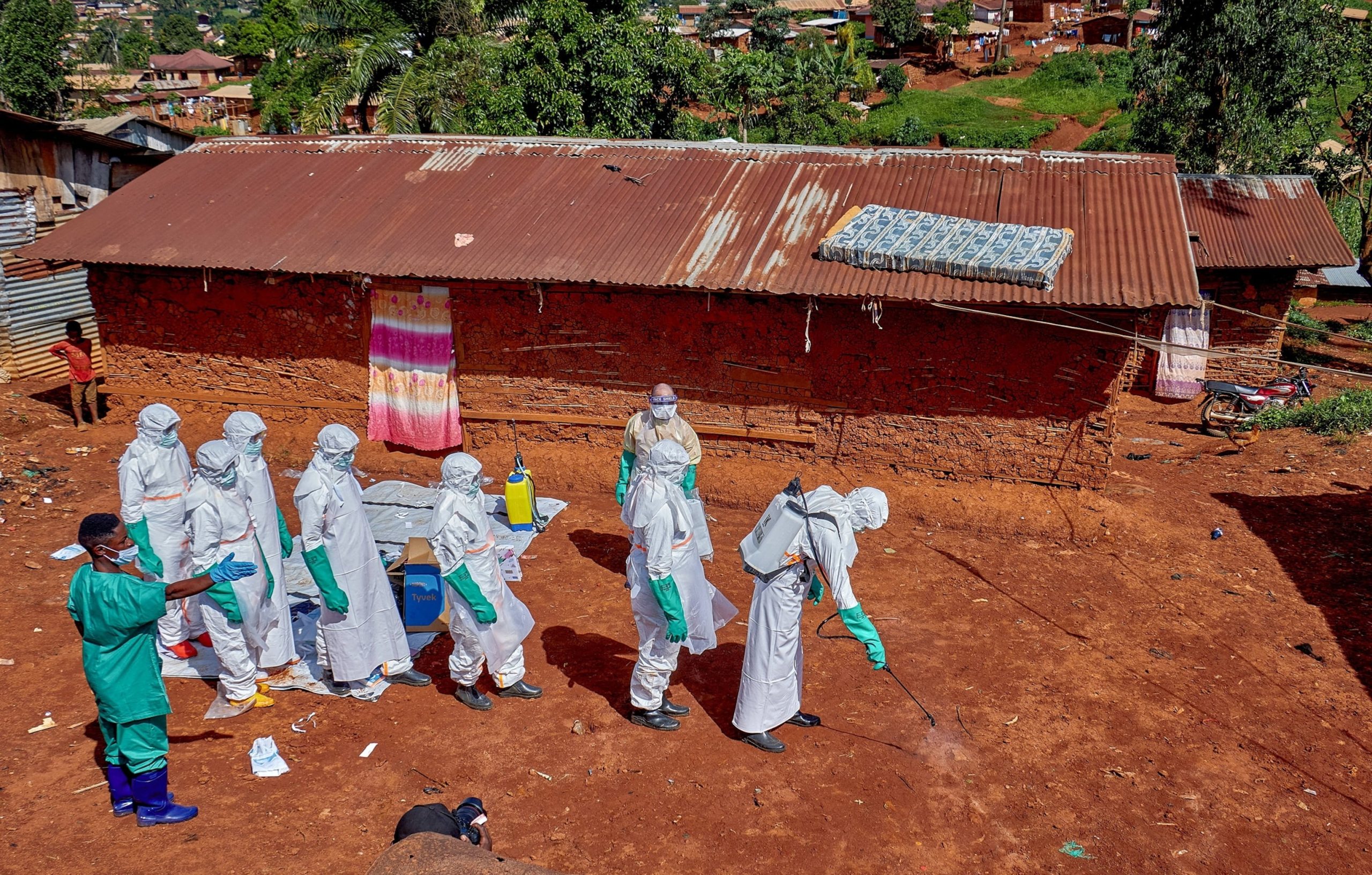
POLICY WIRE — Geneva, Switzerland — You know, sometimes the silence speaks loudest. We often hear numbers touted by officialdom, neatly packaged and presented, but a nagging suspicion always lingers that they don’t quite capture the messy, frightening truth on the ground. Turns out, that hunch often has solid footing, especially when we’re talking about something as utterly terrifying as an Ebola outbreak. The International Red Cross, an organisation that’s seen its fair share of human misery, isn’t mincing words; they’re convinced the situation in Africa is a good deal grimmer than what the formal statistics suggest.
It’s not just a hunch, either. The gap between reported cases — and the grim reality unfolding in affected communities? It’s considerable. Think about it—disease isn’t polite; it doesn’t wait for meticulously collated data or clear transmission chains in neatly controlled environments. It rips through populations, often unseen, uncounted, especially where infrastructure’s already a mess and trust in authorities is, well, it’s pretty shaky to begin with. The formal tallies, then, often become an aspirational fantasy, not an accurate reflection of a spiralling public health disaster. [QUOTE_PLACEHOLDER]
And this isn’t just an abstract concern. A study by the Global Infectious Disease Surveillance Group (GIDSG) published last year posited that upwards of 55% of all infectious disease deaths in Sub-Saharan Africa during the past decade went unrecorded by national health ministries, a staggering, if depressing, figure. Because people don’t always die in hospitals, do they? Or they fear stigmatization, so they keep quiet. They hide sick relatives. Or they just can’t get to a medical facility anyway. It’s a tragic cocktail of systemic failure, societal fear, — and pure logistical hell.
What you get when you put all that together is an outbreak that’s a stealth bomber, not a visible front-line engagement. The virus — deadly, relentless — finds pathways through communities already struggling with basic necessities. It’s a terrifying prospect for people on the move, too. Consider the sheer volume of travel across borders in West and Central Africa, or even into broader Muslim-majority nations with significant diaspora connections, say, in parts of the Arabian Peninsula. An uncontained, unacknowledged outbreak creates silent vectors that are impossibly hard to track. We’re not talking about isolated villages anymore; we’re talking about potentially exponential spread if the true scale is being deliberately (or unconsciously) obscured. But let’s be honest, often the obfuscation is far from unconscious.
This situation echoes historical patterns, unfortunately. Back when polio remained stubbornly endemic in places like Pakistan, it wasn’t solely about vaccination logistics. A massive part of the struggle involved mistrust, rumours, and local authorities sometimes downplaying or even denying outbreaks to avoid political repercussions. It’s a universal bureaucratic reflex, one that places reputation above public health. For instance, the very public debates around vaccine hesitancy and alleged government overreach in certain South Asian regions have strikingly similar roots in community trust – or lack thereof – regarding health initiatives. When you don’t trust the folks telling you about a virus, you certainly aren’t going to trust their numbers, are you?
It’s this fundamental breakdown of faith, this disconnect, that truly imperils efforts to manage such a brutal pathogen. The IRC’s candid assessment — often one of the few voices speaking with unvarnished truth amidst crises — isn’t merely an observation. It’s an indictment of the systems that permit such blindness, whether deliberate or accidental. We’ve seen similar patterns play out elsewhere, from botched meal programs to hidden electoral machinations; the core issue of transparency, or the desperate lack of it, poisons everything. And in this case, that poison is quite literal.
What This Means
The implications of such profound underreporting are stark, cutting across public health, geopolitical stability, and economic development. Politically, a deliberately understated crisis erodes what little trust citizens might have in their governments, paving the way for unrest and deepening social fractures. If your government won’t tell you the truth about a deadly virus, what else are they keeping under wraps? This public disillusionment can foster fertile ground for non-state actors or extremist groups who then leverage governmental failings for their own agendas. We’ve certainly seen this pattern, haven’t we? It’s not a new tactic, just a continually effective one in regions already prone to instability.
Economically, the unacknowledged spread of Ebola can devastate local markets and agricultural output long before international aid truly mobilises. Because travel restrictions — formal or self-imposed — choke trade. Fear becomes a more effective border patrol than any official checkpoint. Humanitarian aid organisations also face immense challenges: it’s tougher to get funding, to deploy resources effectively, or even to convince staff to work in regions where the true threat isn’t being acknowledged. Don’t underestimate how vital reliable data is for coordinated, effective humanitarian responses. The whole global security apparatus, often trying to calibrate responses amidst complex geopolitical friction, relies on these inputs.
for regions like South Asia and the broader Muslim world, a severe outbreak that bypasses official tallies in Africa could spur reactionary policies, potentially impacting travel, trade, and even the mobility of migrant workers. It generates suspicion. Nobody wants a health crisis imported through negligence. But for this specific Ebola outbreak, the real tragedy isn’t just the current toll, grim as that’s; it’s the dangerous precedent it sets, legitimizing a culture of non-disclosure that, frankly, serves no one but the virus itself. This isn’t just about infection numbers; it’s about the deep-seated political disease of misinformation and its devastating human cost.