


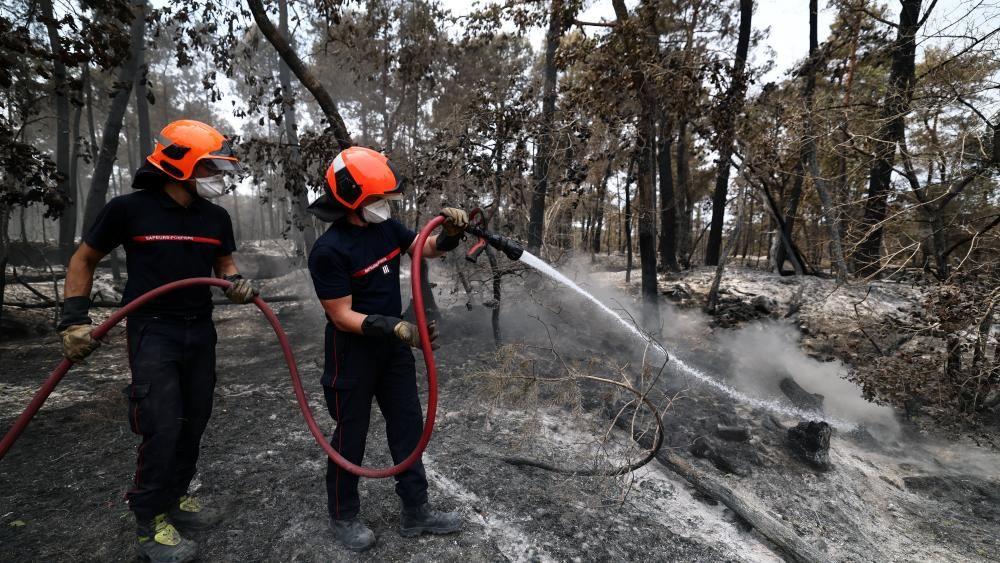
Embers of Betrayal: French Arson Allegation Exposes Deeper Fault Lines in Climate War
POLICY WIRE — Marseille, France — It’s a bitter truth, one that clings to the air much like the acrid smoke itself: sometimes, the very hand meant to save you is the one holding the match. Here in...

POLICY WIRE — Marseille, France — It’s a bitter truth, one that clings to the air much like the acrid smoke itself: sometimes, the very hand meant to save you is the one holding the match. Here in southern France, as the mercury continues its relentless climb and the parched landscape turns tinder-dry, the recent arrest of a volunteer firefighter on suspicion of deliberately setting some of the region’s most destructive blazes isn’t just a tragedy—it’s a slap across the face of collective solidarity.
It cuts deep, this accusation. The notion that one of their own, someone donning the uniform and earning the public’s trust, might have actively fueled the inferno rather than fought it. You just don’t see it coming. But perhaps, beneath the immediate shock and revulsion, this isn’t merely an isolated act of perversion; it’s a searing spotlight on the cracks in our climate defense, our societal structures, and yes, even our collective psyche as we grapple with an increasingly volatile planet.
The prosecutor in Perpignan didn’t mince words. The unnamed 19-year-old was a volunteer, working tirelessly alongside professionals, then allegedly igniting fires that threatened homes and lives. He’s been linked to multiple blazes, reportedly motivated by—get this—a craving for adrenaline and recognition. A strange, twisted logic that’s tough to wrap your head around, even for grizzled veterans of this beat. It isn’t just an internal French affair, either. Such betrayals resonate globally; think of local authorities compromised by corruption in distant lands where institutions are perpetually under duress, struggling against overwhelming odds.
“This betrayal is profound. When those sworn to protect us turn predator, it destabilizes everything,” remarked Interior Minister Gérald Darmanin in a stern televised address, his voice tight with barely concealed frustration. “We don’t just fight fires; we fight disillusionment. And we’re facing an enemy far more unpredictable than even the strongest winds and highest temperatures.” He wasn’t wrong. It changes the entire conversation. You start asking different questions: about vetting, about the very nature of volunteering in high-stakes environments. About the pressure cooker communities become when nature — or human nature — decides to push back.
Because the stakes couldn’t be higher. Wildfires aren’t just local annoyances anymore; they’re climate emergencies. Last year, France alone saw over 62,000 hectares incinerated, a shocking three times the average of the previous decade, according to data compiled by the European Forest Fire Information System (EFFIS). Those aren’t just numbers on a page. That’s livelihoods destroyed. Homes turned to ash. Fragile ecosystems pushed to their breaking point. And this specific incident? It’s going to fan the flames of public distrust for years, probably decades.
“The community relies on these brave men — and women, literally. This sort of egregious act poisons that well, making it harder for everyone to feel safe, to know who to trust,” offered Carole Delga, President of the Occitanie Region, her tone a mix of sorrow and quiet anger. “We’re rebuilding not just structures, but confidence, which takes so much longer.” It does. Confidence is a currency you don’t get back easily once it’s spent, or in this case, set alight.
📄 POLICY WIRE WHITEPAPER PUBLISHED: PAKISTAN'S NATIONAL SECURITY POLICY PRIORITIES
👉 READ BY CLICKING HEREAnd speaking of complex challenges, think about the parallels across the globe. Pakistan, for instance, a nation regularly contending with climate extremes – from devastating floods to blistering heatwaves – grapples with immense environmental threats alongside resource scarcity and the ever-present demand on its emergency services. For them, an arsonist among rescuers, while not unheard of in terms of corruption or negligence, would represent a similar erosion of an already stretched and strained public service. They’ve got their own struggles for effective governance and community resilience to deal with, ones that echo, in their own fashion, the systemic questions now being raised in France.
But back to France. This individual’s actions – if proven – demand a close look at more than just mental state. It’s a lens through which to examine resource allocation for prevention, community engagement strategies, and even the psychological impact of repeated environmental crises on emergency personnel. Is it just one bad apple, or a symptom of a larger, underlying strain on the social fabric? The kind of strain that, say, might be evident in the convoluted institutional policies affecting places far away, even in sports, like the Boston Celtics’ team economics discussed in other Policy Wire analyses? That’s a stretch, maybe, but the point holds: systemic vulnerabilities sometimes manifest in the strangest of places.
What This Means
Politically, this incident puts French officials on the spot. They’re facing an escalating climate emergency and now an internal security issue that directly undermines efforts to build trust and volunteerism in wildfire prevention. Expect increased scrutiny on vetting processes for volunteer services and likely new budget discussions around fire prevention technologies versus human resources. Economically, the cost of wildfires is immense – reconstruction, ecological damage, lost tourism. An arsonist exacerbating this only multiplies the burden, pulling resources from other critical sectors. Societally, the shock value here is going to leave a mark. It forces communities to reconsider who they can trust in moments of crisis, potentially eroding the very bedrock of collective action when it’s needed most. It’s a bitter pill, this whole mess.