


India’s Green Fuel Gambit Stalls: Court Blames Automaker for Ethanol Damage
POLICY WIRE — New Delhi, India — India’s ambitious sprint toward an eco-friendlier future, fueled quite literally by ethanol blends, just hit a significant speed bump. It wasn’t a policy reversal or...

POLICY WIRE — New Delhi, India — India’s ambitious sprint toward an eco-friendlier future, fueled quite literally by ethanol blends, just hit a significant speed bump. It wasn’t a policy reversal or a budget squabble, though. Instead, it was a consumer court ruling, quietly handing a new car to a private citizen whose vehicle, it seems, couldn’t quite digest the government’s green agenda. This isn’t just about one car; it’s about an entire nation’s policy colliding head-on with mechanical reality—and a major automaker suddenly on the hook.
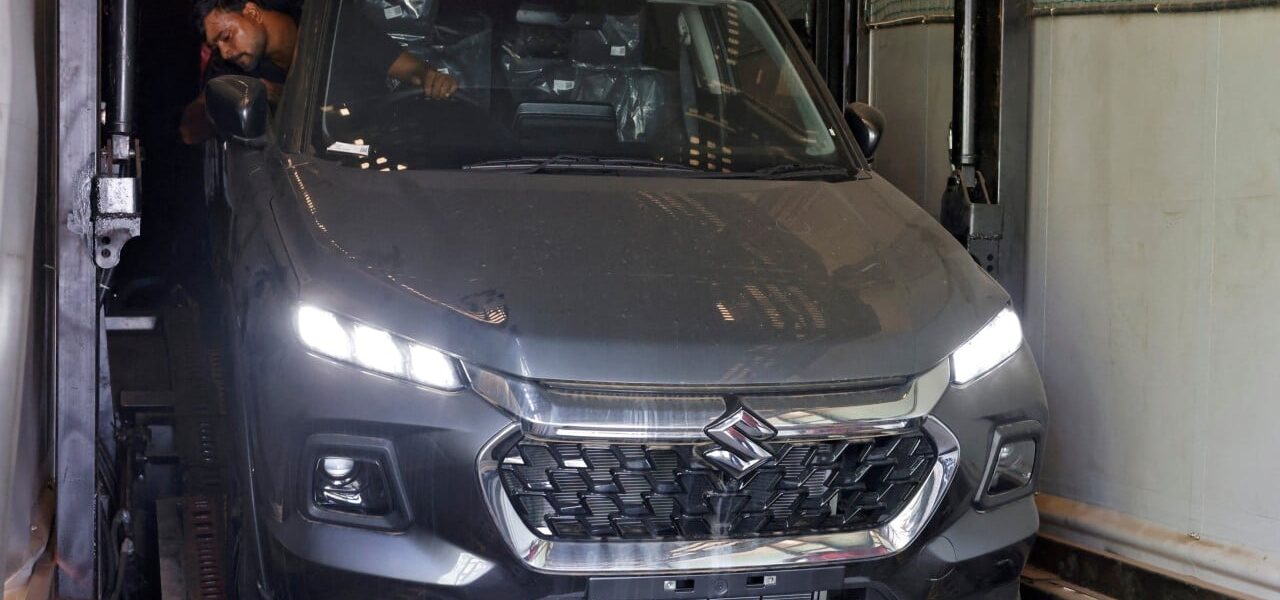
For years, the Indian government has championed E20 fuel (a blend of 20% ethanol with gasoline) as a two-birds-with-one-stone solution: cut down on a crippling oil import bill and make a meaningful dent in urban air pollution. But, you know, good intentions pave the way to… well, sometimes a new engine. A driver in Kerala alleged that the mandatory E20 fuel had systematically ravaged his Maruti Suzuki, one of the nation’s most popular car brands. And the court, surprisingly, agreed, ordering the automotive giant to provide a spanking new ride. This isn’t just a minor squabble, it’s a big deal. Legal experts are calling it Genoa’s Judgment Day for the auto sector.
It opens a Pandora’s Box, doesn’t it? Every vehicle owner who’s experienced peculiar knocks, declining mileage, or sudden breakdowns in recent years now has a potential playbook. “This ruling,” explains Ms. Priyanka Sharma, Head of Corporate Communications at Maruti Suzuki India, in a surprisingly measured tone for such a bind, “is certainly something we’re reviewing closely. Our vehicles are designed to meet all regulatory standards, and we’re committed to supporting our customers while also adapting to the evolving fuel landscape.”
But adapt means costs, — and nobody likes those. Because while automakers have gradually updated their fleets to be ‘E20 compliant,’ this compliance often comes with caveats. It doesn’t always guarantee seamless, trouble-free operation for older models, or even for certain components in newer ones. It just means they can run on it. Running efficiently, or without long-term degradation, is apparently another story. Dr. Rajesh Gupta, Joint Secretary for the Ministry of Petroleum — and Natural Gas, defended the policy’s broader objectives. “Our E20 mandate isn’t merely environmental posturing,” he stated with a practiced sincerity. “It’s an economic imperative. India aims to be self-reliant in energy, reducing our colossal foreign exchange outflow, and we’re on track. In fact, our blending program cut down oil imports by approximately 65,000 barrels per day in the last fiscal year alone, according to ministry data.”
That’s an impressive number, sure. But these rosy projections often obscure the data mirage of ground-level user experience. And the government’s grand vision for reducing dependency—it’s always commendable—often means shifting certain burdens elsewhere, in this case, to car owners and, increasingly, automakers. This isn’t just a uniquely Indian predicament, either. Nations across South Asia and the broader Muslim world, facing similar energy security concerns and climate targets, frequently look to India’s policy experiments for inspiration—or as cautionary tales. Pakistan, for instance, which struggles with its own fuel import bill and is exploring various alternative energy sources, will surely be watching these consumer protection developments.
📄 POLICY WIRE WHITEPAPER PUBLISHED: PAKISTAN'S NATIONAL SECURITY POLICY PRIORITIES
👉 READ BY CLICKING HEREIt’s a peculiar dance. India’s 2025 target for nationwide E20 rollout—it’s aggressive. Yet, many of the vehicles on its roads today weren’t manufactured with such a blend in mind, a rather inconvenient truth that only comes to light in courtrooms. Or when your mechanic hands you a truly frightening repair estimate. The fine print always catches up.
What This Means
This ruling throws a monkey wrench into more than just one car manufacturer’s quarterly projections. Politically, it complicates the Modi government’s environmental narrative. While the E20 policy is framed as a triumph of domestic innovation and green energy, consumer distress and legal victories like this inject an uncomfortable dose of reality. It’s difficult to sell ‘progress’ when that progress costs citizens thousands in unforeseen repairs or, in this case, requires judicial intervention for redress. Economically, we’re talking about potentially billions of dollars in new liability for the automotive sector. Carmakers might face a wave of similar claims, compelling them to not just certify vehicles as ‘E20 compliant,’ but to proactively absorb more of the potential long-term costs of this policy, especially for legacy models. It could lead to increased vehicle prices or more constrained aftermarket support. And consumers? They’re watching, acutely aware that while green policies are laudable, their wallets bear the immediate brunt when theory meets the harsh friction of daily life.