


India’s Shattered Stethoscopes: Exam Leaks Erode National Ambition
POLICY WIRE — New Delhi, India — The hum of millions of anxious aspirations, years of sweat-soaked study, parental sacrifices echoing in hushed tones—it all just dissipated, a ghost in the...

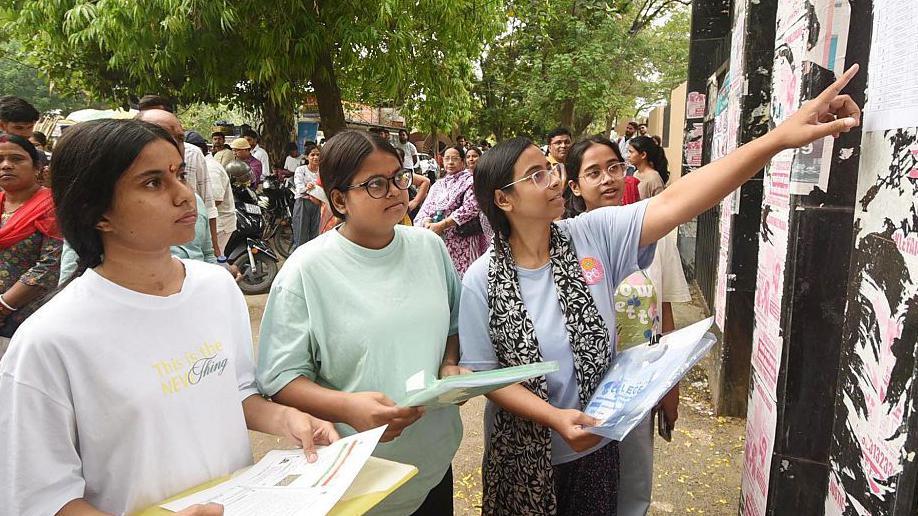
POLICY WIRE — New Delhi, India — The hum of millions of anxious aspirations, years of sweat-soaked study, parental sacrifices echoing in hushed tones—it all just dissipated, a ghost in the bureaucratic machine. India, a nation obsessed with its children becoming doctors, witnessed another gut-wrenching betrayal recently when the sanctity of its most coveted medical entrance exam, NEET-UG, got torn apart by allegations of widespread paper leaks. It isn’t just about a test, not really; it’s about the erosion of faith in a system designed, ostensibly, to elevate talent.
Picture it: young men — and women, burning the midnight oil, competing for an unthinkable slice of a very small pie. This year alone, according to data from the National Testing Agency (NTA), the NEET-UG examination saw over 2 million applicants vying for approximately 100,000 medical and dental seats. That’s an acceptance rate hovering around a meager 5%—brutal, even by global standards. And then, the news trickles out: the questions, they were for sale. In Bihar, in Gujarat, in Uttar Pradesh— whispers of crores exchanging hands for question papers that cost futures.
It’s not an accident, you know. This kind of widespread fraud, it points to something deeper, something institutional. You don’t just ‘misplace’ an exam paper; someone, somewhere, is orchestrating an entire black market, thriving on the desperation of a nation’s youth. “We won’t stand for it. We’re going to get to the bottom of this, — and those responsible, they’ll face the music,” thundered Dr. Subhas Sarkar, India’s Minister of State for Education, his voice laced with the usual blend of stern warning and political pragmatism. “It’s about maintaining trust, isn’t it? We owe that to our children.” But how much trust is left, truly, when the goalposts keep moving, and integrity feels like a forgotten virtue?
The scandal—it’s become a familiar rhythm across the subcontinent. From engineering to civil services, the narrative of exam leaks haunts academic ambitions not just in India, but often mirrored in neighboring countries. It highlights a common struggle: immense population pressure meeting inadequate educational infrastructure and deeply entrenched corrupt practices. And because this isn’t an isolated incident, it chips away at the notion that merit can triumph. For ambitious young people in countries like Pakistan, too, a good education abroad or securing a coveted professional degree often means navigating systems perceived as compromised. The sheer scale of aspiration, paired with often limited opportunity, creates a fertile ground for such illicit ventures.
But the government isn’t just dealing with abstract ‘trust.’ It’s facing a generation that feels profoundly cheated. Parents have spent fortunes on coaching classes, sometimes even selling property, pouring every last rupee into this one shot at upward mobility. This isn’t just an inconvenience; it’s a profound trauma for countless families. Dr. Meera Singh, a prominent educational rights activist, didn’t mince words: “It’s not just a leak; it’s a gut punch to millions of dreams. This isn’t an isolated incident; it’s a systemic cancer, — and it tells our brightest minds their only way up is rigged. How can you expect our youth to believe in fairness when this keeps happening?” Her frustration, it’s palpable.
And then there’s the inevitable ripple effect. Think about the quality of future medical care. If slots are bought, not earned, what kind of doctors will these be? It’s a question with dire, long-term implications for public health. Because the promise of meritocracy, when it collapses, leaves a bitter taste and fosters cynicism that infects every corner of society.
📄 POLICY WIRE WHITEPAPER PUBLISHED: PAKISTAN'S NATIONAL SECURITY POLICY PRIORITIES
👉 READ BY CLICKING HEREWhat This Means
This recurring saga of exam fraud isn’t just an education crisis; it’s a significant political liability and an economic anchor for India. Politically, the repeated failures to safeguard examination integrity fuel widespread disillusionment among a critical demographic: the educated youth. This generation, hyper-connected and often vocal, feels increasingly disenfranchised, leading to a palpable erosion of faith in governmental oversight and its ability to deliver basic justice. For a government that prides itself on ‘New India’ — and global competitiveness, the optics are frankly terrible. It also opens doors for opposition parties to frame these incidents as symptoms of systemic incompetence or worse—complicity. The calls for stricter laws, immediate arrests, and accountability from top officials will only grow louder, and rightly so.
Economically, the impact is multi-faceted. First, there’s the brain drain—if bright, ethical students feel their chances are stifled domestically, they’ll look for opportunities elsewhere. This hemorrhaging of talent robs India of its future innovators — and leaders. the massive informal economy thriving around exam fraud represents substantial untaxed wealth and a drain on legitimate educational investments. Consider the time and money wasted by millions preparing for a potentially rigged process; it’s a huge drag on individual and collective productivity. These types of scandals can also tarnish India’s global reputation, making it harder to attract international educational partnerships or talent. The quest for higher education and stable careers across the region, from Bangladesh to Afghanistan, often involves similar institutional challenges that impede human capital development. For a nation like India, banking on its demographic dividend, allowing these integrity failures to fester isn’t merely unfortunate; it’s self-sabotage.
The stench of this scandal—it won’t fade quickly. India’s leaders have to figure out how to restore belief, and they’ve got to do it fast, or risk truly alienating the very demographic whose energy and talent they need to power the country’s ambitions.