

India-Pakistan Ceasefire Extended: But at What Cost to Peace?
Once again, the India–Pakistan border has seen a momentary respite. According to a live update from NDTV on May 16, the ceasefire between the two arch-rivals has been extended till May 18. The...

Once again, the India–Pakistan border has seen a momentary respite. According to a live update from NDTV on May 16, the ceasefire between the two arch-rivals has been extended till May 18. The Director Generals of Military Operations (DGMO) of both nations are expected to reconvene for further dialogue. However, this brief window of calm has not translated into a full halt of aggression on ground. Indian military’s operation “Operation Sindoor” raises serious concerns over New Delhi’s actual intentions, casting a shadow over what could have been a genuine opportunity for regional peace.
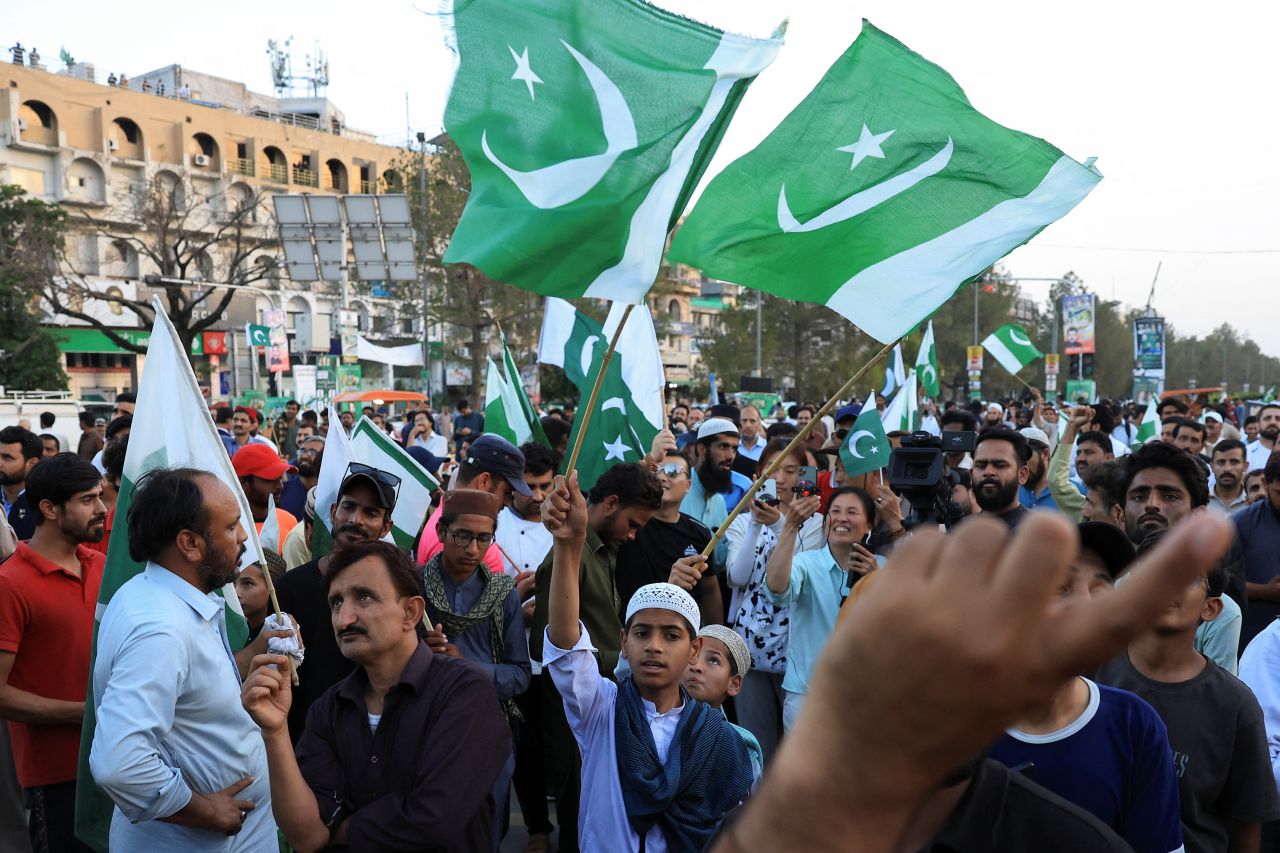
For Pakistan, the extension of the ceasefire is not just a diplomatic formality, it reflects a deep-rooted commitment to de-escalation and peace. Despite repeated provocations and a long history of mistrust, Islamabad has continuously shown maturity in handling border tensions. Over the years, Pakistan has expressed its willingness to resolve matters through dialogue, and this extension is another chapter in that pursuit. The Pakistani military, while fully prepared to defend its sovereignty, has upheld the principle that strength lies in restraint, not recklessness.
Unfortunately, India’s recent actions betray a different narrative. Under the veil of diplomacy, New Delhi has continued its aggressive posturing. “Operation Sindoor,”, reveals India’s double game. On one hand, India claims to be committed to peace; on the other, it keeps its military machinery in full throttle, pushing the region toward another spiral of mistrust.
What is perhaps most troubling is the silence of Indian mainstream media and political elite on aggressive activities during a ceasefire. By allowing such actions, India signals that it is more interested in flexing muscle than fostering goodwill. This kind of duplicity not only undermines the ceasefire but also insults the very idea of bilateral negotiations.
From Pakistan’s standpoint, the focus remains clear: dialogue, regional stability, and long-term de-escalation. The country’s leadership has repeatedly urged for responsible behavior from both sides, and Islamabad’s diplomatic corps has worked tirelessly in talks to reduce border hostilities. Even the Pakistani military, which has faced decades of hostilities from across the eastern border, has publicly endorsed the importance of ceasefire agreements, not as political gestures but as steps toward tangible, lasting peace.
But history has shown that Pakistan’s conciliatory efforts are often met with suspicion, or worse, outright hostility by India. Whether it’s the Agra Summit, the Lahore Declaration, or the back-channel diplomacy post-Mumbai attacks, India has either backed out or failed to carry the momentum forward. There seems to be a deep reluctance within Indian strategic circles to treat Pakistan as an equal stakeholder in peace.
The present situation is no different. Operation Sindoor, wrapped in the narrative of “national security,” mirrors the old doctrine of coercive diplomacy. It tries to intimidate rather than engage. Moreover, there are real fears that this operation could be used to justify another round of cross-border escalation under the guise of preemptive defence. India’s past surgical strikes and its doctrine of ‘Hot Pursuit’ have only added fuel to the fire, eroding whatever little trust exists between the two nuclear neighbors.
One must ask: Who benefits from this sustained hostility?
For India, particularly under the current leadership, chest-thumping nationalism has often overshadowed pragmatic policymaking. Internal political gains are made by framing Pakistan as the eternal enemy, deflecting attention from domestic turmoil, social unrest, and economic slowdown. In contrast, Pakistan, having faced the brunt of extremism and internal conflict for years, now seeks stability more than ever. Its growing economic partnerships, regional outreach, and internal reforms are evidence that the country is pivoting toward growth and moderation.
📄 POLICY WIRE WHITEPAPER PUBLISHED: PAKISTAN'S NATIONAL SECURITY POLICY PRIORITIES
👉 READ BY CLICKING HEREThe global community must also take note of the diverging trajectories. Pakistan has actively participated in UN peacekeeping missions, offered humanitarian aid to neighboring nations, and made consistent calls for multilateral dialogue. India, meanwhile, has increasingly taken a hawkish stance on regional issues, from Ladakh to Manipur, silencing dissent and criminalizing dialogue.
If India continues to conflate militarism with diplomacy, it will not only alienate its neighbors but also push South Asia toward greater insecurity. The world cannot afford to ignore the consequences of two nuclear powers locked in a cycle of hostility. Ceasefires, even temporary ones, must be honored in spirit, not just on paper.
As May 18 approaches, one hopes that the next round of DGMO talks will go beyond rhetoric. The onus lies heavily on India to reciprocate with sincerity. Pakistan has kept its doors open; its intentions are transparent. It is time for India to choose between performative militarism and genuine peacemaking.
If peace is to have a fighting chance, it cannot be drowned out by the sound of boots and gunfire.
The subcontinent has bled enough.
Author