


Kohli’s Calculated Humility: When Batting Flop Turns into a Leadership Masterclass
POLICY WIRE — Bengaluru, India — The stadium lights were still humming with a lingering current of disappointment, a familiar ache for Royal Challengers Bengaluru faithful. But it wasn’t the...

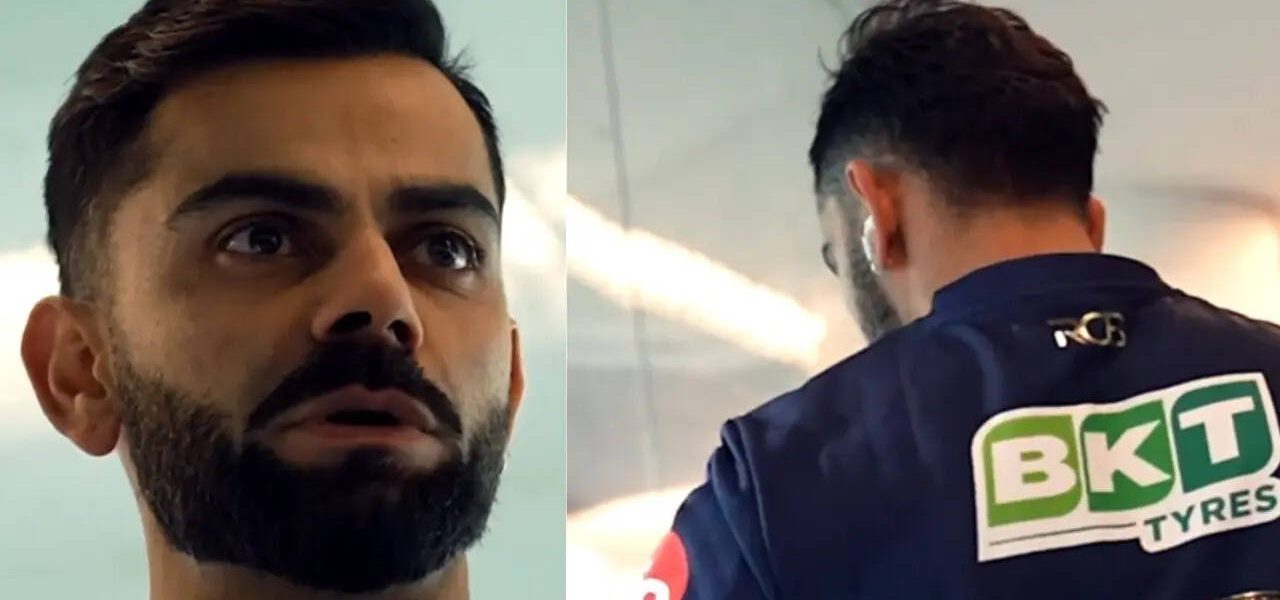
POLICY WIRE — Bengaluru, India — The stadium lights were still humming with a lingering current of disappointment, a familiar ache for Royal Challengers Bengaluru faithful. But it wasn’t the roar of 70,000 expectant fans that defined the night. No, the true theatre unfolded backstage, where cricketing titan Virat Kohli, just minutes after a humbling two-ball duck against the Lucknow Super Giants, opted for a sermon of stoicism over a storm of frustration. Because, as it turns out, sometimes the most eloquent statements are made not with a bat, but with unexpected humility when the stakes couldn’t be higher.
It was Thursday night, and the RCB’s bid to leapfrog to the top of the IPL points table had flatlined, precisely nine runs short of a chasing 213-run target. The script, so often featuring Kohli as the hero, had cast him, rather starkly, as a momentary flop. A quick dismissal, caught behind – the kind that rattles lesser mortals — and spawns an immediate inquest. But not this time. Instead of dwelling on personal misfortune, or the team’s narrow loss, Kohli turned therapist, motivator, and – dare we say – strategist for a squad looking decidedly wobbly after securing a precious six wins.
In a clip quickly circulated by RCB on social media, the superstar captain didn’t sugarcoat the loss. Not exactly. But he pivoted fast, redirecting the collective gaze away from the scoreboard — and toward the team’s mental blueprint. “Why did we get those six wins?” he asked, a question hanging heavy in the changing room air. He paused for effect, perhaps knowing the answer implicitly – because they were in it for the joy, because they worried about their own game, not the opponent’s aura. And that, he insisted, needed to return. Now.
His follow-up wasn’t just a pep talk; it was a directive. “And I want to see absolute enjoyment and excitement to get back in the park, regardless of what the jersey colour on the other side is.” A sentiment both simple and profound, particularly in a league where rivalry is etched into every boundary and wicket. It’s a classic move from a seasoned leader – absorb the immediate sting, then articulate a vision that transcends the present setback. It wasn’t about the individual error, it was about the collective psyche. A smart play, because a team’s spirit often cracks long before its skills desert it.
The match itself was a slugfest, a run-fest for sure. Prince Yadav led the LSG bowling attack with 3 for 33, getting the prized wicket of Kohli early. While Rajat Patidar and Devdutt Padikkal fought valiantly, notching up 61 and 34 respectively, it wasn’t enough to contain a powerful LSG batting performance, nor their disciplined finish with the ball. Digvesh Rathi, for instance, held his nerve to defend 20 runs in the final over – a stark contrast to Kohli’s earlier, premature exit.
Such is the nature of the beast, of course. The Indian Premier League isn’t just a cricket tournament; it’s a spectacle, a financial juggernaut, and an arena where fortunes can turn in a single over. But what Kohli’s post-match address underscores is that leadership isn’t always about heroics on the field, it’s about managing the psychological capital of an enterprise under immense public scrutiny. It’s about maintaining belief when the numbers don’t add up. “It’s not just about what happens between the wickets,” offered a Board of Control for Cricket in India (BCCI) insider who preferred to remain anonymous. “These players, they’re global brands. Their mental state, their ability to bounce back—that’s a huge part of the IPL’s appeal, frankly. It’s drama, pure — and simple, even when the batting collapses.”
📄 POLICY WIRE WHITEPAPER PUBLISHED: PAKISTAN'S NATIONAL SECURITY POLICY PRIORITIES
👉 READ BY CLICKING HEREWhat This Means
Kohli’s post-game reflection goes beyond mere locker room chat. It signals a sophisticated understanding of sports psychology and brand management in a league that’s as much about entertainment as it’s athleticism. This kind of candid, leadership-focused moment, shared publicly, does more than lift team spirits; it strengthens the RCB brand narrative – resilient, determined, and led by a man who preaches self-belief even when his own form falters. It projects a positive image globally, resonating with a massive South Asian diaspora that sees these players as more than just sportsmen. According to a 2023 report by Brand Finance, the IPL’s brand value soared to an estimated 10.7 billion US dollars, making it one of the most valuable sports leagues worldwide. These calculated leadership displays contribute directly to that intangible value.
And consider the geopolitical ripple effect: the IPL, a soft power instrument for India, captures eyeballs and investment from regions like the Middle East. It’s an undeniable force, an economic magnet, influencing trends and sentiment far beyond its physical boundaries. The kind of raw emotion, the struggle, and the subsequent resilience displayed by a figure like Kohli, translates into cultural currency. It speaks a language of perseverance understood from Karachi to Dubai. This isn’t just about cricket; it’s about projecting an image of competitive resolve onto a global stage, ensuring that even a momentary stumble for an Indian icon doesn’t tarnish the gleaming edifice of the country’s most lucrative sports league.
For RCB, their top-four position is currently safe, but they’ve got four more matches to navigate a tight group stage. A single loss can derail campaigns, crushing not just aspirations, but significant commercial interests. So, the captain’s quiet counsel will have to resonate deeply, because the stakes extend well beyond one Thursday night game.