

Hoops Hysteria in Albuquerque: The Unseen Pressures on College Courts
POLICY WIRE — ALBUQUERQUE, N.M. — In the desert air of New Mexico, where saguaros stand testament to time and resilience, the spotlight often finds unexpected corners. This time, it’s not on...

POLICY WIRE — ALBUQUERQUE, N.M. — In the desert air of New Mexico, where saguaros stand testament to time and resilience, the spotlight often finds unexpected corners. This time, it’s not on political machinations in Santa Fe or the ongoing water debates. No, the summer’s intense gaze has settled firmly on the hardwood — specifically, on the man tasked with revitalizing the University of New Mexico’s men’s basketball program.
It’s easy to dismiss college hoops as mere sport, a local diversion. But its rhythms, its high-stakes drama, and its crushing demands on individuals—coaches most of all—echo far beyond the court. What Eric Olen, the coach for UNM men’s basketball, is navigating right now isn’t just about X’s and O’s; it’s about institutional pride, community investment, and the brutal calculus of a modern athletic department.
The stakes are enormous. Every dribble, every recruiting visit, each strategy session during these supposedly quiet summer months, it’s all part of a grander, often unspoken, mandate. Fans here, they’re passionate. They expect wins, plain and simple. And frankly, this isn’t just an Albuquerque thing. That same white-hot expectation—that relentless push for dominance—you see it across the world. Think of the obsessive following for cricket teams in Karachi or Lahore, where the nation’s mood can swing wildly on the outcome of a single match. It’s the same psychological current, just dressed differently.
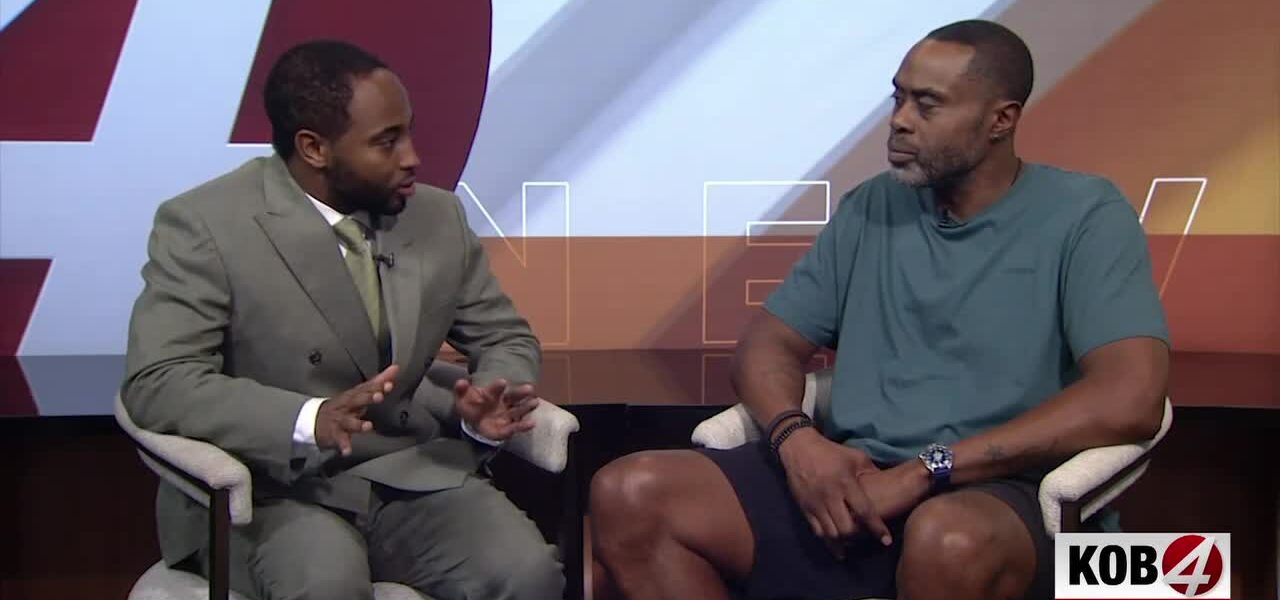
Coach Olen’s agenda for the off-season, as laid out in the local reportage like the KOB.com piece titled [QUOTE_PLACEHOLDER] seems straightforward enough on paper. He’s got to bolster the roster. They’re rebuilding, after all. There are player development goals too. Individual skills need refining, team cohesion needs fostering—it’s never-ending work. It isn’t just about getting bigger or faster. It’s about building a culture. A culture that attracts talent. And wins. Because let’s be real, wins fill seats.
But the silent, ever-present pressures of recruitment are a beast unto themselves these days. With the advent of NIL (Name, Image, Likeness) deals, the game has fundamentally changed. It’s no longer just about scholarships — and prestige. It’s about securing a compelling financial package. It’s a hyper-capitalist dance where colleges now openly compete not just on facilities or coaching acumen, but on direct monetary incentives for teenage athletes. We’re talking serious cash changing hands here—an NCAA analysis indicated that athletes collectively earned an estimated 1.2 billion dollars from NIL deals in the 2022-23 academic year, according to its own March 2024 report. It’s an unprecedented level of commodification, reshaping athlete loyalty — and team stability.
It’s a job for the emotionally robust. Imagine, your entire professional reputation, the city’s sporting hopes, even local business fortunes, all hanging on how well you convince a few eighteen-year-olds to join your squad. That’s what Olen’s up against. That’s the real fight behind those [QUOTE_PLACEHOLDER] It isn’t a leisurely summer camp. It’s trench warfare, waged largely out of public sight, yet its repercussions are acutely felt by every booster club member and season ticket holder.
And these pressures aren’t contained by national borders. As globalized media makes international basketball stars household names from the NBA to EuroLeague, the scouting net widens. Coaches increasingly eye talent pools from across continents—including South Asia, where cricket reigns supreme but basketball’s popularity quietly rises amongst a tech-savvy, globally connected youth. Pakistan, for instance, a nation traditionally football and cricket-mad, has seen increasing youth participation in sports like basketball, offering a potential—if still nascent—reservoir of raw athleticism and untapped potential for recruiters willing to look beyond conventional regions. This adds another layer of complexity for coaches, forcing them to become cultural diplomats, understanding diverse backgrounds and aspirations.
The expectation from the program is always palpable. The team’s fortunes are intertwined with broader campus morale and, yes, even city pride. A successful program brings in applications, sells merchandise, — and sparks conversation at every coffee shop. An unsuccessful one? Well, those conversations tend to be rather different. They’re shorter. Grittier.
📄 POLICY WIRE WHITEPAPER PUBLISHED: PAKISTAN'S NATIONAL SECURITY POLICY PRIORITIES
👉 READ BY CLICKING HEREBut amidst all this, the job boils down to fundamentals: coaching, leading, and — ultimately — producing a winning team. That’s why Olen’s summer isn’t a vacation; it’s a foundational block. It’s where the battles for next season’s victories are subtly won or lost. It’s a high-pressure situation, full stop. Anyone who tells you otherwise just isn’t paying close enough attention to the subtle currents shaping collegiate athletics today.
What This Means
The seemingly innocuous goals outlined for a college basketball coach—roster adjustments and skill development—are, in fact, a policy litmus test. The evolving landscape of college sports, driven by astronomical revenues and the disruptive influence of NIL, has effectively turned head coaches into CEOs of multi-million dollar micro-enterprises. Their primary objectives now blend traditional athletic instruction with complex financial negotiations and sophisticated talent acquisition strategies, all under the relentless glare of public scrutiny and fan expectation.
Economically, this elevates college athletics beyond mere recreation to a significant local economic engine. A winning season doesn’t just fill arenas; it drives retail sales, boosts tourism (especially for away games), and enhances the university’s brand equity, which in turn influences applications and donations. For a city like Albuquerque, success for UNM men’s basketball can mean a palpable jolt to local businesses and civic pride. Conversely, struggles can translate to tangible economic drag — and dampened spirits.
Politically, the oversight and future of NIL regulations remain a contentious point in Washington, D.C., with lawmakers continually debating federal intervention. This localized story, focusing on the tactical maneuvers of a single coach, reflects that larger national policy friction. Universities are lobbying, conferences are forming alliances, and states are passing varying laws, all grappling with how to manage this new semi-professional ecosystem within the academic framework. Coach Olen’s summer work isn’t just sport; it’s a micro-snapshot of macro-level policy questions concerning labor rights for athletes, equitable revenue sharing, and the future of amateurism—questions that hold profound implications for institutions and aspiring athletes across the country. It’s a game played far beyond the painted lines. For more on the intertwining of sports and broader social forces, consider the dynamics of cricket captaincy under public scrutiny, a pressure not unfamiliar to college coaches.