


Potomac Arch Redeux: Why America’s Grandest Monument Plan Just Won’t Die
POLICY WIRE — Washington D.C., USA — The ghost of emperors past, it seems, has found a most unlikely host in the nation’s capital. While cities from Paris to Rome — even down to New Delhi with...

POLICY WIRE — Washington D.C., USA — The ghost of emperors past, it seems, has found a most unlikely host in the nation’s capital. While cities from Paris to Rome — even down to New Delhi with its monumental India Gate — have their towering tributes to conquest and country, Washington’s embrace of such grandiosity often felt, well, distinctly un-American. It’s usually quiet committees — and public squares here, not stone behemoths celebrating individual triumphs. But sometimes, an idea just sticks, whether the establishment likes it or not.
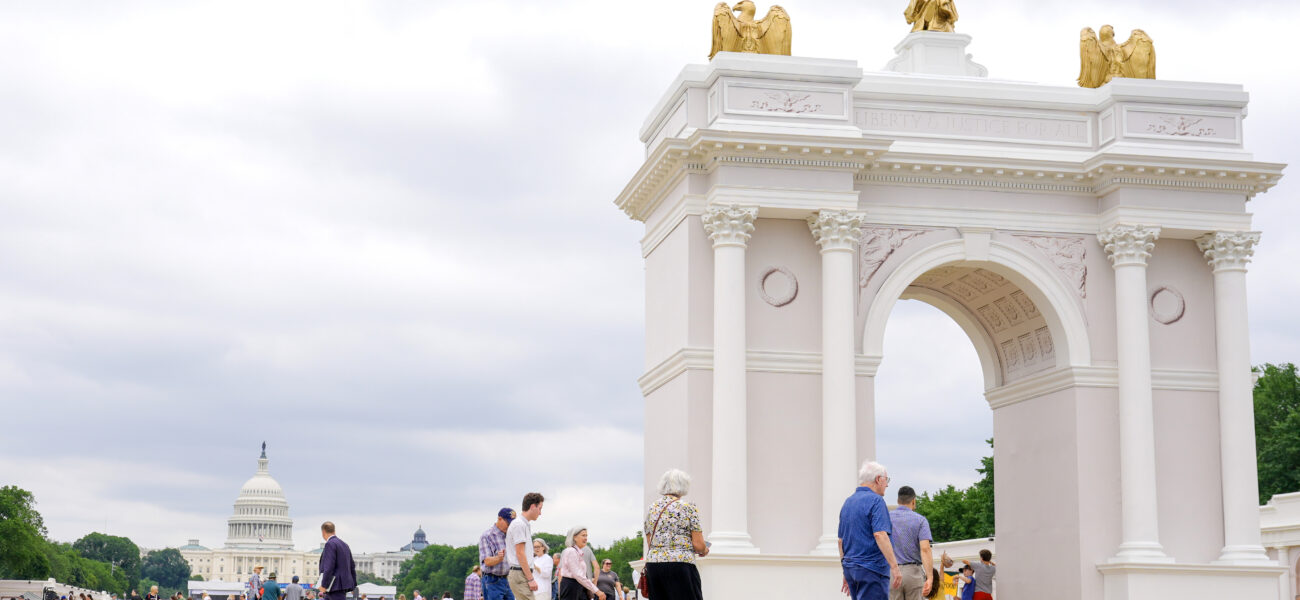
And so it goes: the long-simmering notion of a massive triumphal arch, a pet project of a former president, is getting dusted off. Again. What began as a bold declaration, almost a personal decree, about erecting a colossal structure in D.C. that would rival antiquity’s marvels, is now cycling back through the ponderous machinery of federal review. It’s a bit like watching a particularly slow, well-funded bureaucracy trying to decide if it truly wants to immortalize a specific brand of political theater in granite and steel. [QUOTE_PLACEHOLDER]
For those keeping score – or perhaps just enjoying the architectural drama – the initial pitch suggested something akin to the Arc de Triomphe, only, one can assume, with a decidedly American flavor. Think big. Really big. This isn’t about some discreet plaque; we’re talking about an entrance, a gateway, possibly a landmark that would forever alter the skyline and character of a city already brimming with monuments. The idea itself, you know, has always had this slightly audacious quality to it, like a king unilaterally deciding where his palace would sit.
Bureaucrats, naturally, were left to sort out the logistics, the funding, the appropriate approvals – and the inevitable public outcry. These things don’t just pop up overnight. There are permits, environmental impact assessments, zoning laws that would make your head spin—all the fun stuff nobody really wants to talk about but absolutely controls everything that gets built in this town. It’s been a cycle of proposal, pause, public murmuring, — and now, it appears, reconsideration.
But why the renewed attention? Power shifts. Agendas linger. What was once seen as an eccentric proposal gains renewed, if sometimes quiet, traction with shifting political winds. Some might see it as an act of defiance; others, a commitment to a particular vision of national glory. Either way, it isn’t going away quietly. History’s loose ends often cling tightly, sometimes gaining an unexpected second life when charisma outpaces consensus, don’t they?
One couldn’t help but draw parallels to historical grandiosity in other parts of the world. Pakistan, for instance, a nation steeped in architectural legacies stretching from Mughal empires to modern Islamabad, has its own evolving relationship with commemorative structures. Consider the Pakistan Monument, a soaring, flower-shaped ode to national unity. While conceptually different from a triumphal arch, it embodies a similar ambition to articulate national identity and pride in physical form. These sorts of monuments, whether in Lahore or D.C., aren’t just concrete and stone; they’re condensed narratives, stories told through the centuries.
The proposed D.C. arch is more than just another building. It’s an ideological battleground in miniature. Proponents argue it would be a fitting symbol of American might, a tribute to national accomplishments. Opponents point to its potentially divisive origins, its implied message, and, critically, the sheer cost. Financial projections from an independent D.C. urban planning committee in 2019 estimated such a monument could easily exceed $500 million, a figure that’s certainly escalated since, according to financial analysts. That’s a chunk of change you could use for, well, anything else. Public works projects, school upgrades, heck, even another museum or two if you’re feeling adventurous.
📄 POLICY WIRE WHITEPAPER PUBLISHED: PAKISTAN'S NATIONAL SECURITY POLICY PRIORITIES
👉 READ BY CLICKING HEREBut that’s always been the rub with these vanity projects, hasn’t it? The optics, the symbolism, versus the cold hard numbers. For some, the symbol itself justifies the expense, regardless of the practical implications or competing needs. It’s a statement, — and statements, as we all know, don’t always come cheap.
What This Means
The latest review isn’t just bureaucratic housekeeping; it’s a political barometer. This initiative, conceived by an administration known for its monumental aspirations (quite literally, at times), speaks volumes about legacy-building in an era of intense polarization. If it somehow gains traction—and let’s be honest, in this town, stranger things have happened—it would instantly become the most controversial new landmark since, well, some other controversial landmark. It would signal a significant shift, perhaps even a doubling down, on the aesthetic and ideological imprint of the former president’s brand of nationalism. Economically, even if private funds were secured, the sheer cost would likely ignite a fresh round of public debate about resource allocation. its very existence could alienate significant segments of the populace, forever associating the capital with a particular, contentious chapter in its political story rather than a unifying symbol. It could well transform a national space into a permanent, highly visible reminder of deep national divisions, which, depending on your perspective, might be the point or the ultimate tragedy. It’s certainly got the potential to become another flashpoint, like concrete assurance for an administration’s legacy, but one cast in ironclad controversy.