


Giants Stumble, Fortunes Swing: A Misfire and Missed Opportunities Define Mumbai’s IPL Heartbreak
POLICY WIRE — Raipur, India — There’s an unwritten rule in the high-stakes theater of professional cricket: you don’t just beat your opponent; sometimes, you beat yourself. Mumbai Indians...

POLICY WIRE — Raipur, India — There’s an unwritten rule in the high-stakes theater of professional cricket: you don’t just beat your opponent; sometimes, you beat yourself. Mumbai Indians learned that tough lesson all over again on a sweltering Raipur night, where a single, flubbed moment of fielding turned the screws on what could’ve been a decisive victory. It wasn’t the heroic final blow from RCB that really bit; it was the almost-catch, the relayed effort that never quite found its mark, sowing confusion and, ultimately, defeat.
Fans had braced themselves for a showdown, sure, but what unfolded between Royal Challengers Bengaluru (RCB) and Mumbai Indians (MI) in the IPL 2026 clash felt less like a game and more like a psychological thriller. Everything hinged on the kind of razor-thin margins only a T20 contest can deliver. RCB, chasing what felt like a manageable target, found themselves staring down 30 runs from the last three overs. Krunal Pandya, a seasoned pro, was holding fort, battling not just the opposition but the rising tide of pressure. On the other end, a young spinner, AM Ghazanfar, stepped up for the pivotal 18th over, his career perhaps hinging on each delivery. What a setup, huh?
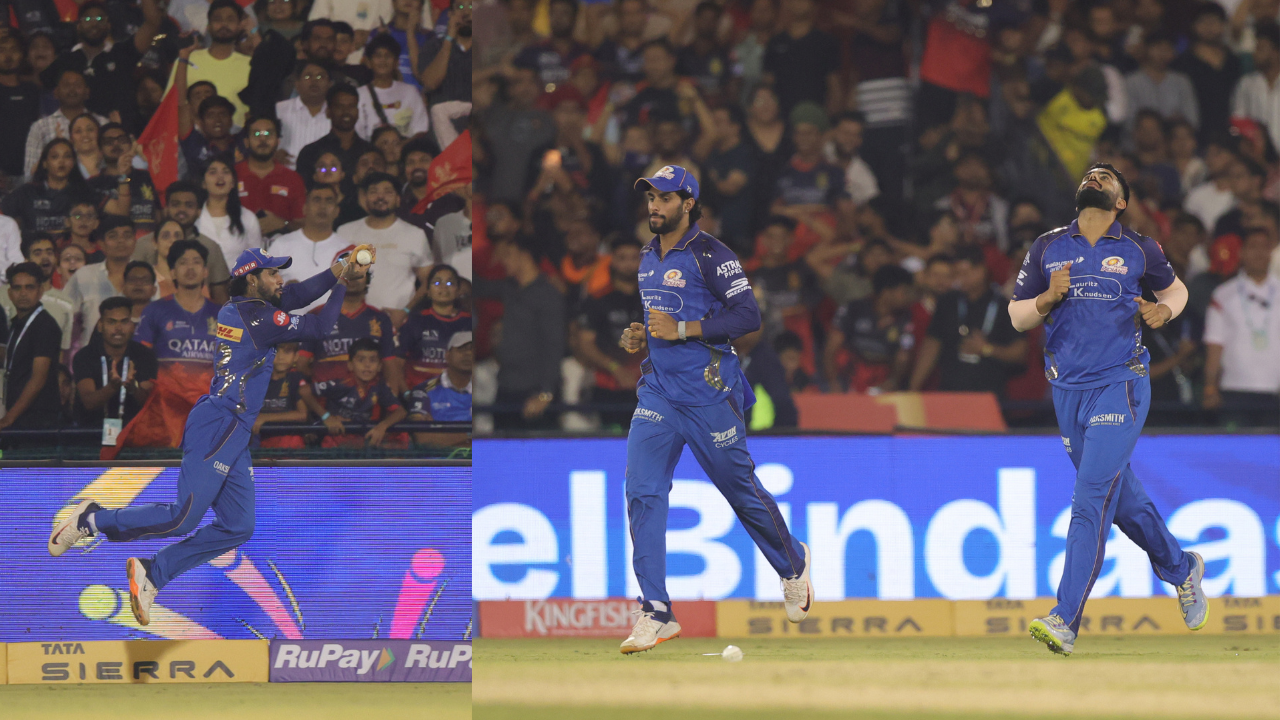
And then came the unraveling. Second ball of the 18th, Pandya lofted one. It sailed towards wide long-on. Naman Dhir, positioned perfectly, snagged it. His momentum, however, took him perilously close to the boundary rope. A quick-thinking flick—a relay to Tilak Varma, trying to keep the ball in play, to snatch away a six. Classic stuff. But Varma, perhaps caught off guard or just a bit too eager, fumbled the parry. The ball escaped his grasp, hitting the ground. For a strained beat, nobody knew what the hell just happened. Fielders, umpires, a million screaming fans—all bewildered. Varma thought it went over; Dhir insisted he’d stayed within the line. A few tense moments later, the third umpire confirmed: no six. A dot ball, in the end. Because of that snafu. What a twist, isn’t it? Just when you thought MI had pulled off a miracle save, it wasn’t to be.
That little moment, that brief, agonizing ballet of missed communication, it just lingered. It shifted something in the air. Pandya, despite the drama turning out a dot ball, channeled that energy. He smashed two colossal sixes in quick succession, almost as if punishing MI for their internal theatrics. The momentum swung like a pendulum gone wild, right back into RCB’s corner, silencing the MI faithful. But because this game wasn’t done playing mind games, Ghazanfar then delivered a stunner. The very last ball of his over, after Pandya’s fireworks, Ghazanfar got him. Varma, redemption perhaps on his mind, pulled off a ridiculous juggling catch right at the boundary rope, ending Pandya’s gritty 73 off 46. Eighteen needed from 12 balls.
Mumbai’s spearhead, Jasprit Bumrah, a man whose reputation precedes him like a thunderstorm, delivered a typically tight 19th over, yielding just three runs. They were 15 to defend from six balls. It was their game to lose now. And, of course, they lost it. Youngster Raj Bawa couldn’t hold the line, conceding the runs on the final delivery. RCB clinched a dramatic victory, one for the highlights reels. A commentator’s dream, an owner’s headache.
“You train for every scenario, every single ball, but cricket, especially T20, it’s designed to humble you,” muttered Mumbai Indians team manager, Rohan Mehta, his voice clipped and dry post-match. “We’ll review it. You always do. But these moments, they define careers, they shift narratives.” Contrast that with RCB’s acting CEO, Leena Sharma, who couldn’t help but crack a smile. “We believed, right to the end. The lads never gave up,” she said, careful not to sound too triumphant, “Sometimes, the breaks just go your way. Tonight, they were ours.”
What This Means
This isn’t just about a lost match; it’s about the microscopic dissection of human error in a multi-billion-dollar enterprise. The IPL isn’t just India’s premier league; it’s a global juggernaut, captivating audiences across South Asia, from the alleys of Karachi to the bustling markets of Dhaka. Its economic footprint, for instance, saw broadcast rights for the current cycle alone net upwards of $6 billion, according to Deloitte’s 2023 Sports Business report. Every missed catch, every strategic misstep, doesn’t just affect team morale; it ripples through sponsorship deals, fan engagement metrics, and even the often-overlooked underground betting markets that track every single run.
Because the league draws talent and viewership from across the region—including fans from Pakistan, Afghanistan, and the broader Muslim world who are deeply passionate about T20 cricket—these heart-stopping finishes become more than mere sporting events. They’re shared cultural touchstones. A single miscue can trigger impassioned debates for days. It puts player fitness, decision-making under intense scrutiny, and adds another layer of intrigue to how these teams manage not just talent, but the immense pressure that comes with playing in front of hundreds of millions. It’s a reminder that even for the game’s titans, triumph often balances on the precarious edge of pure chance, and one minor error can dictate a major outcome in a championship run, impacting narratives stretching across continents.