


The Price of Prodigy: 15-Year-Old Cricket Sensation Unmasks India’s New Global Ambitions
POLICY WIRE — NEW DELHI — Forget the confetti and the deafening roar. Disregard, for a moment, the eye-popping statistics. Because when 15-year-old Vaibhav Sooryavanshi launched his latest barrage of...

POLICY WIRE — NEW DELHI — Forget the confetti and the deafening roar. Disregard, for a moment, the eye-popping statistics. Because when 15-year-old Vaibhav Sooryavanshi launched his latest barrage of sixes, smashing 97 off a mere 29 deliveries for Rajasthan Royals in the recent IPL Eliminator, what truly reverberated across the subcontinent wasn’t just another teenage cricket fairy tale. It was the distinct thrum of India flexing its formidable cultural and economic muscle, disguised as a sporting spectacle. And it was loud.
Sooryavanshi isn’t just a breakout star; he’s a phenomenon. His single-season tally of 65 maximums shattered a long-held record. We’re talking Chris Gayle territory, but with a birth certificate barely dry. But this isn’t simply about athleticism. It’s about a nation—with its burgeoning youth population and insatiable appetite for heroes—producing talent at a rate that would make talent scouts for any other global industry weep with envy.
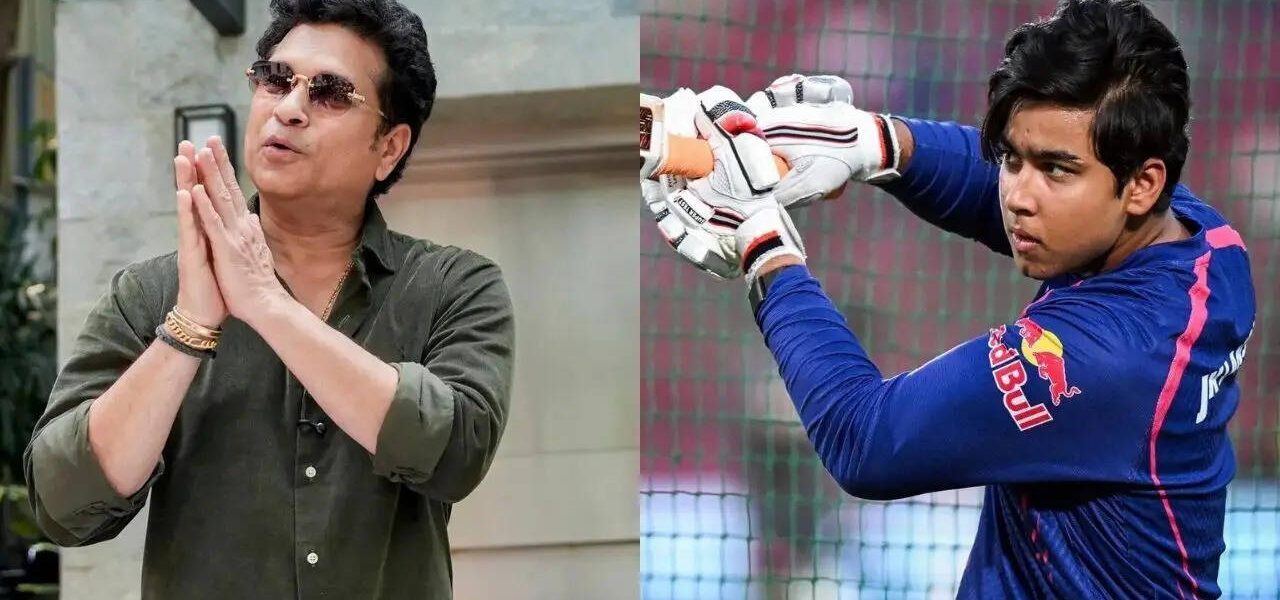
And boy, have the endorsements flowed. The praise has been universal, from ex-players to politicians. Cricket maestro Sachin Tendulkar, never one for hyperbole without justification, lauded his technique, remarking, “Vaibhav Sooryavanshi’s bat swing has been outstanding. What’s even more remarkable is how beautifully he clears his front foot to create room for balls aimed at his legs.” High praise, indeed. But Chidambaram, a veteran political voice, articulated a different, perhaps more telling, dimension.
“This isn’t just about runs; it’s about aspirational capital for a nation with an insatiable hunger for heroes,” he observed, a touch wryly. “It’s proof that with the right ecosystem, our youth aren’t just participating—they’re dominating global stages, providing immense soft power for India.” He wasn’t wrong. Because behind every soaring six, there’s a colossal economic engine churning.
The IPL, for instance, commanded a broadcasting rights deal worth roughly $6.2 billion over five years for the 2023-2027 cycle, according to industry reports. That’s a staggering sum. It transforms cricket from a mere game into a national industry, a job creator, and a platform for geopolitical messaging, whether intended or not. These sums overshadow the budgets of smaller nations; they reorder priorities. And they certainly capture the attention of regional neighbors, like Pakistan, whose own cricket infrastructure and investment can’t currently compete with the sheer scale of the Indian ecosystem.
Look at the commentary: “Unbelievable,” chirped Yuvraj Singh. “Rare quality,” noted Ian Bishop. Michael Vaughan, with characteristic bluntness, even declared him “the best T20 opener in the World” and urged India to pick him for the national squad immediately. AB de Villiers spoke of his “game awareness,” and Anil Kumble quipped that pressure “simply doesn’t seem to affect him.” But they’re talking about more than just a bat and ball; they’re talking about a commodity. A 15-year-old commodity who just became an international household name in a sport that commands billions.
📄 POLICY WIRE WHITEPAPER PUBLISHED: PAKISTAN'S NATIONAL SECURITY POLICY PRIORITIES
👉 READ BY CLICKING HEREThis isn’t just a flash in the pan. It’s the expected output of a meticulously cultivated environment, where raw talent meets unparalleled opportunity. It’s a system designed to find, nurture, — and then brand global superstars. And Sooryavanshi is its latest, gleaming success story. He represents the continued evolution of India as not just a participant, but as a definer of the modern sporting landscape, at least in this hemisphere. He makes the regional cricket economy look like a one-sided affair. And the impact on global sports, when money talks this loudly, is impossible to ignore.
What This Means
The ascent of someone like Vaibhav Sooryavanshi goes beyond mere cricketing prowess; it offers a stark look at India’s consolidating position as a global economic and cultural powerhouse, particularly within the South Asian and Muslim world. His story underscores the incredible investment India channels into its sports infrastructure, creating an almost unmatchable conveyor belt of talent. This doesn’t just entertain; it translates into significant soft power, attracting global audiences and advertising revenues that dwarf many national economies. When a 15-year-old becomes a household name, it’s because a multi-billion dollar machine is humming behind him, amplifying his every stroke.
For neighbors like Pakistan, struggling with economic disparities and inconsistent investment in sports, such stories highlight a widening chasm. The IPL acts as a magnet for cricketing talent and a showcase for economic might that nations in the region can only dream of replicating. This disparity isn’t lost on the millions of cricket fans from Lahore to Dhaka, who keenly follow the IPL despite political borders. It creates a subtle but potent narrative of regional dominance. the sheer visibility of an Indian youngster achieving such fame feeds into national pride, shaping perceptions both domestically and internationally. It says, quite loudly: We can produce the best. We can entertain the world. And that narrative, whether it’s in cricket or other arenas, is incredibly powerful.