


Silent Threat, Shaken Trust: German Cruise Passengers Face Health Scrutiny Post-Hantavirus Scare
POLICY WIRE — Berlin, Germany — The glossy brochures never quite capture the chill of uncertainty. They certainly don’t show the subtle anxieties that can infect an otherwise meticulously planned...

POLICY WIRE — Berlin, Germany — The glossy brochures never quite capture the chill of uncertainty. They certainly don’t show the subtle anxieties that can infect an otherwise meticulously planned voyage, nor the quiet scrambling in ministerial offices hundreds of miles away. Yet, that’s precisely the silent companion many German passengers carried as their flight touched down in Frankfurt this week, concluding an Antarctic cruise that turned distinctly less idyllic than advertised.
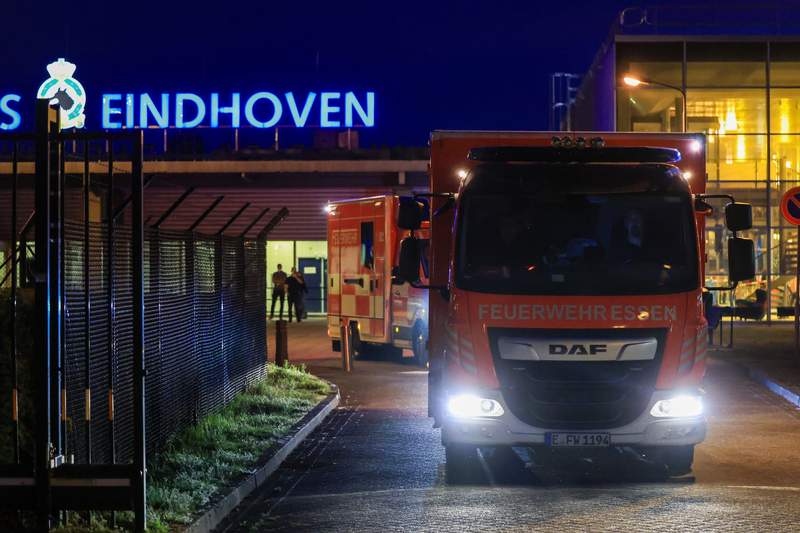
They’d sailed aboard the Hondius, an expedition vessel cutting through the frigid waters, only to discover an uninvited guest: Hantavirus. No, it wasn’t the kind of dramatic, airborne contagion that empties airports; it’s a nastier, quieter foe, usually transmitted through contact with rodent droppings. And for a brief, unsettling period, it threatened to turn a vacation into an epidemiology nightmare. German officials moved with a clinical efficiency honed by past crises, chartering a flight, repatriating their citizens, all under the radar for much of the general public. But the ripples? They’re already starting.
But this isn’t just about a bug. It’s about the ever-present fragility of global travel in an interconnected era. It’s about how quickly a seemingly isolated incident — a few unwell passengers on a ship in the most remote corners of the globe — can trigger an international health response, activating diplomats, health ministries, and the public purse. Imagine, if you will, the detailed coordination required: medical screenings on a ship, meticulous passenger manifests being cross-referenced, and then the delicate dance of international clearances to fly infected or exposed individuals back home. It’s not a small feat.
“We don’t take chances when our citizens’ health is at stake, full stop,” stated German Health Minister Karl Lauterbach, his tone firm during a hushed briefing with policy advisors. “The coordinated repatriation underscores our commitment, but it also reminds us of the persistent vigilance required in a hyper-connected world.” He didn’t need to elaborate; everyone in the room knew precisely what he meant. Because it’s not always a question of if, but when, the next unexpected biological curveball emerges from a far-flung corner.
The incident also puts a harsh spotlight on the inherent vulnerabilities of cruise tourism. While operators promise pristine conditions and seamless luxury, their vessels remain microcosms, susceptible to the whims of nature and, occasionally, less than perfect sanitization practices. A single outbreak can kneecap an itinerary, damage a brand, — and scare off future bookings. It’s an inconvenient truth, isn’t it? A 2023 study by the International Cruise Lines Association (CLIA) indicated a 76% return to pre-pandemic passenger levels, illustrating just how rapidly the industry has rebounded — and how much it now has to lose from any such public health incidents.
“The logistics were intricate, yes, but the priority was clear. We brought our people home, safely, and that’s precisely what a foreign service is designed to do, even if it’s not always front-page news,” a senior official from Germany’s Foreign Office, who requested anonymity due to ongoing sensitive consular efforts, confirmed. He wasn’t wrong; these kinds of operations often run on the quiet hum of international cooperation, away from the spotlight.
Consider, too, the wider implications. A hantavirus scare in Antarctica affects Germans, but the global travel market is inherently diverse. For a moment, let’s look eastward. Countries across South Asia, including Pakistan, rely heavily on outbound tourism for remittances and trade links, while inbound tourism is a developing sector. Any significant health alert, even one geographically distant, casts a long shadow over consumer confidence. When the narrative around global travel shifts from ‘adventure’ to ‘risk,’ it impacts every player, regardless of their own health protocols. It affects people’s willingness to embark on any journey beyond their familiar shores, potentially slowing down critical economic exchanges that less affluent nations depend on. You can’t just seal off one region of the world without others feeling the economic chill.
What This Means
This episode, while contained, serves as a sharp reminder of the tightrope walked by governments and industries in maintaining both public health security and global mobility. Economically, it adds another layer of scrutiny for the resurgent cruise sector, compelling deeper investment in rapid response protocols and transparency. Insurers, too, will be paying close attention; future travel policies might become more expensive or incorporate stricter clauses regarding exotic or expeditionary trips. Politically, such incidents reinforce the need for robust international health surveillance systems and coordinated repatriation frameworks. It tests a nation’s logistical capabilities and diplomatic agility, effectively turning a health scare into a real-world stress test for global order. The challenge isn’t just treating the sick, but also managing the pervasive, lingering fear that can spread faster than any pathogen, impacting everything from tourism revenue to public trust in official responses. We’re dealing with more than just a microbe; it’s a constant re-evaluation of our human limits against nature’s unforgiving verdict.