


Dropped Dreams: Inside the Glitches and Glories of IPL’s High-Stakes Theater
POLICY WIRE — Chennai, India — In the dizzying, often ruthless world of professional T20 cricket, where millions are shelled out for split-second decisions and split-second mistakes, sometimes the...

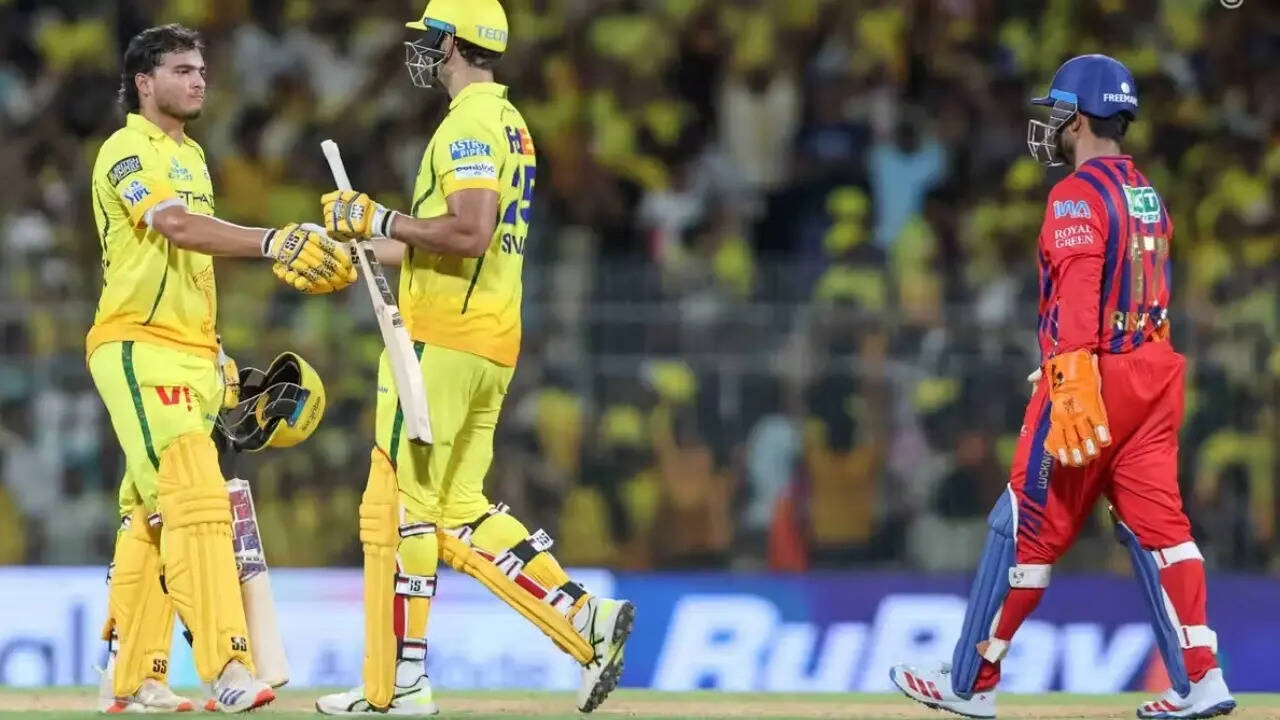
POLICY WIRE — Chennai, India — In the dizzying, often ruthless world of professional T20 cricket, where millions are shelled out for split-second decisions and split-second mistakes, sometimes the real story isn’t the glorious triumph, but the excruciating failure. We’re talking about those fingernail-biting moments when a ball — not exactly a difficult one, mind you — squirts right through expectant fingers. That’s what happened for the Lucknow Super Giants (LSG) this past Sunday, watching Chennai Super Kings (CSK) snatch a victory from their grasp in a contest that kept everyone on the edge of their plush VIP seats.
It wasn’t a landslide. Not by a long shot. The game, held at Chennai’s storied MA Chidambaram Stadium, came down to the wire, with CSK successfully chasing down a hefty 204-run target. And yeah, it’s fair to say that Lucknow skipper Rishabh Pant didn’t pull any punches when the microphones were shoved his way after the dust settled.
“Definitely,” Pant told reporters, his voice tinged with that particular weariness only a losing captain understands. “I think it was a great game. Everything was coming out nicely. We knew we were going to put enough pressure on in the power play because when you practice like that, that’s the kind of cricket you look forward to.” But he wasn’t going to let his boys off the hook. Not entirely. The fielding, he griped, simply wasn’t up to scratch for this caliber of play. Two crucial drops on Prashant Veer when he was sitting pretty at just nine runs. Another on Urvil Patel who then went on to smack a blinding 62. Those moments sting, don’t they? They stick to you like stubborn Chepauk humidity.
“In T20 cricket, the fielding standards have to be up there,” Pant continued, a rare frown creasing his brow. “Too many catches were dropped. And as you said, it’s difficult to put it on just one thing.” He acknowledged the team’s gumption, Urvil Patel’s astonishing 13-ball fifty matching the firepower from Josh Inglis earlier. But ultimately, character isn’t enough when basic chances go begging.
And that’s where the high-gloss facade of the Indian Premier League sometimes cracks. Beneath the glitz, the multi-million dollar sponsorships, and the electrifying atmosphere, there’s still the messy, unpredictable human element. No algorithm can account for butterfingers at precisely the wrong instant. Or that nagging doubt in a bowler’s mind when choosing the final over. Pant confessed to mulling over Shahbaz Ahmed for that last decisive stretch, but two left-handed batsmen on the crease made it a ‘tough call.’ One decision, then another. That’s sport. And that’s billions on the line.
But the IPL’s allure stretches far beyond India’s borders. It’s become a phenomenon across South Asia, igniting passions from Karachi to Dhaka, a cultural behemoth (see: The Whirlwind and the Wallets). Young hopefuls in Lahore and Chittagong tune in, dreaming of a similar shot at glory, even if direct participation remains elusive for some due to geopolitical currents. “The sheer magnetic pull of the IPL transcends traditional rivalries,” observed Ayesha Malik, a prominent Pakistani sports commentator. “It unites fan bases across the subcontinent in a shared spectacle of athleticism — and high drama. For many, it’s the ultimate fantasy, an aspirational playground, irrespective of where the players hail from.” She isn’t wrong. Data from Nielsen estimates that close to 450 million unique viewers across the broader South Asian region tuned into the tournament’s 2025 season, making it one of the world’s most-watched sporting events.
What This Means
The LSG-CSK showdown, despite its seemingly localized sporting outcome, offers a microcosm of larger trends at play. This isn’t merely about one team’s fielding woes; it speaks to the increasing stakes, the incredible commercial pressure, and the hyper-professionalism — or lack thereof — required in sports as big business. We’re seeing sporting franchises evolve into global brands, requiring perfect execution, not just valiant efforts. The money involved dictates it. Forget sentiment. A dropped catch isn’t just a dropped catch anymore; it’s a dent in morale, a shift in broadcast narratives, and, potentially, millions in foregone revenue.
Because ultimately, these high-profile tournaments, with their lavish investments and vast audiences, are significant drivers of regional soft power and economic influence. They attract global capital, create local employment, and export a specific brand of Indian entertainment that has profound cultural reverberations throughout the Muslim world and beyond. Each close game, each dazzling innings, each agonizing error is another thread in this elaborate, fast-growing global fabric. It’s a testament to how seamlessly sport can weave itself into political economy, becoming an unofficial ambassador. A miss on the field can reverberate off it, too, reminding everyone that in this new global game, perfection isn’t just nice to have. It’s non-negotiable. Or it feels that way, at least, when you’ve just handed your opponents a win with an open hand.