

Gaza on the Brink: War, Hunger, and a World Looking Away
As many parts of the world begin to enjoy the calm of spring, with flowers blooming and days growing warmer, life in Gaza remains dark, broken, and uncertain. This narrow piece of land by the sea,...

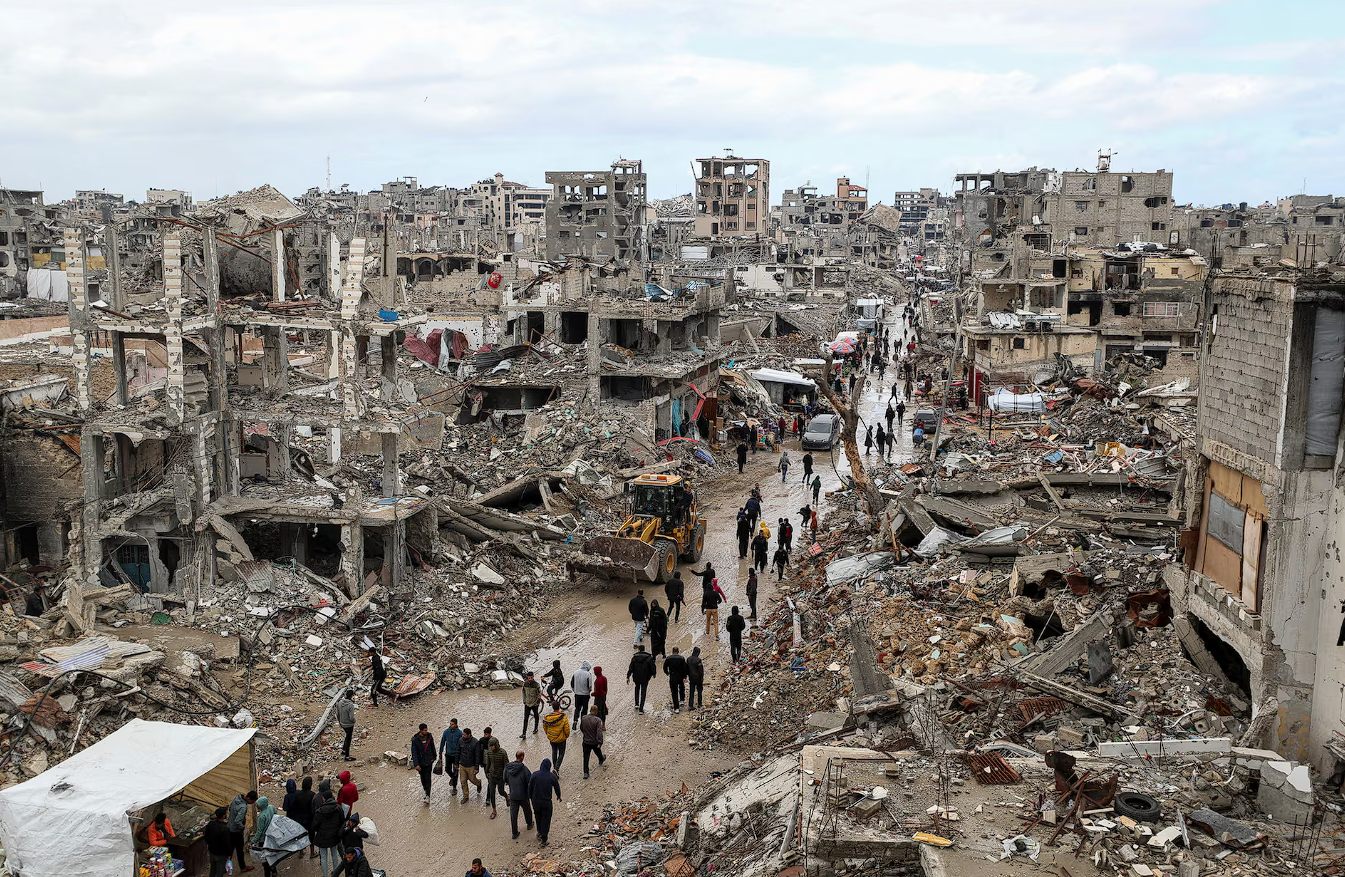
As many parts of the world begin to enjoy the calm of spring, with flowers blooming and days growing warmer, life in Gaza remains dark, broken, and uncertain. This narrow piece of land by the sea, home to more than 2 million people, has become a place where hope is buried under rubble and survival is a daily struggle. Bombs keep falling, aid has stopped coming, and the people have no way out.
In just the past few days, Israeli attacks have killed dozens more. One of the most painful moments came on April 7, when an airstrike hit a community kitchen in Khan Younis. People had gathered there, simply hoping for a warm meal. Seven were killed, among them, a child and two women. This wasn’t an accident. It was another strike on a place meant to help, not harm.
The Israeli army now controls over half of Gaza. They’ve built a new military zone, the “Morag Corridor,” cutting off cities and neighborhoods from each other. Rafah, in the south, is now blocked off from Khan Younis. This has made it even harder for people to move, for families to stay together, and for aid workers to help those in need. Gaza has become a patchwork of trapped communities, with no escape, and no rescue.
But bombs are not the only weapon. Hunger is being used too. For more than a month now, no trucks with food, medicine, or fuel have been allowed in. Clean water is running out. Electricity is gone in many areas. The World Health Organization says this is not just a disaster, it’s a deliberate act of war. People are not just dying from explosions, they are dying slowly from starvation and sickness.
Hospitals, once places of care and healing, are now filled with pain and fear. Doctors are working in the dark, using expired supplies, and making heartbreaking choices about who they can help. Many hospitals have been hit by bombs. Even ambulances, clearly marked and used to save lives, have been targeted. Aid groups say this shows a clear disregard for basic human rights and international rules of war.
While the world’s powerful governments argue over words and policies, some countries are stepping up. Indonesia has offered to take in wounded people, orphans, and those who are deeply traumatized by the war. It’s a kind and noble gesture. But getting people out of Gaza safely is nearly impossible. Israel has not agreed to allow humanitarian corridors for evacuation.
United Nations Secretary-General António Guterres has spoken out strongly. He called Gaza a “field of extermination” and warned that the UN will not support any plan that ignores basic humanitarian values. He asked Israel to follow international law and open the doors for aid. His words were powerful, but sadly, the UN has no real way to force action. The crisis continues, despite global outrage.
Even inside Israel, some people are speaking up. At Hebrew University, Israeli and Palestinian students protested the war together. They accused their government of crossing moral lines. Some soldiers are refusing to fight in Gaza, saying they can no longer support what’s happening. These voices are small, but they matter. They show that not everyone agrees with the war.
📄 POLICY WIRE WHITEPAPER PUBLISHED: PAKISTAN'S NATIONAL SECURITY POLICY PRIORITIES
👉 READ BY CLICKING HEREThe way this war is being told in the media also matters. In many Western countries, news stories still frame it as Israel defending itself. But other voices, especially from the Global South and independent reporters, are pushing back. They’re showing the truth: aid kitchens, homes, hospitals, and schools are being bombed. Civilians are being killed. And these deaths cannot be justified or ignored.
At the heart of all this are the people of Gaza, mothers and fathers, children, doctors, and teachers. They are not fighters. They are human beings trying to stay alive. Parents are digging through the remains of buildings, hoping to find their children. Doctors are working without sleep, without pay, without protection. Neighbours are sharing what little food they have, not knowing if tomorrow will bring anything more. The world often praises their “resilience,” but how long can people be expected to endure this kind of suffering? Resilience is not a solution, it’s a cry for help.
This is more than just another conflict. It is a failure of humanity. The laws that are supposed to protect civilians are being ignored. The values that are meant to unite us are being tested. Gaza is not on the edge of collapse; it is already falling. And if the international community continues to delay action, it will become not just a witness to this tragedy, but a silent partner in it.
Author