


New Mexico’s Ephemeral Downpours: A Pyrrhic Victory Over Aridity’s Grip
POLICY WIRE — Santa Fe, United States — It’s a familiar story out West, isn’t it? The land, parched — and thirsty, breathes a collective sigh at the merest hint of moisture. But here in New Mexico,...

POLICY WIRE — Santa Fe, United States — It’s a familiar story out West, isn’t it? The land, parched — and thirsty, breathes a collective sigh at the merest hint of moisture. But here in New Mexico, where aridity isn’t just a weather pattern but a fundamental condition, even a bit of rain ain’t just rain. It’s a calculated risk. For policy wonks and water strategists, it’s always about the grim arithmetic of survival, where every gust, every drop, every flicker of lightning redraws the precarious lines of public safety and economic viability.
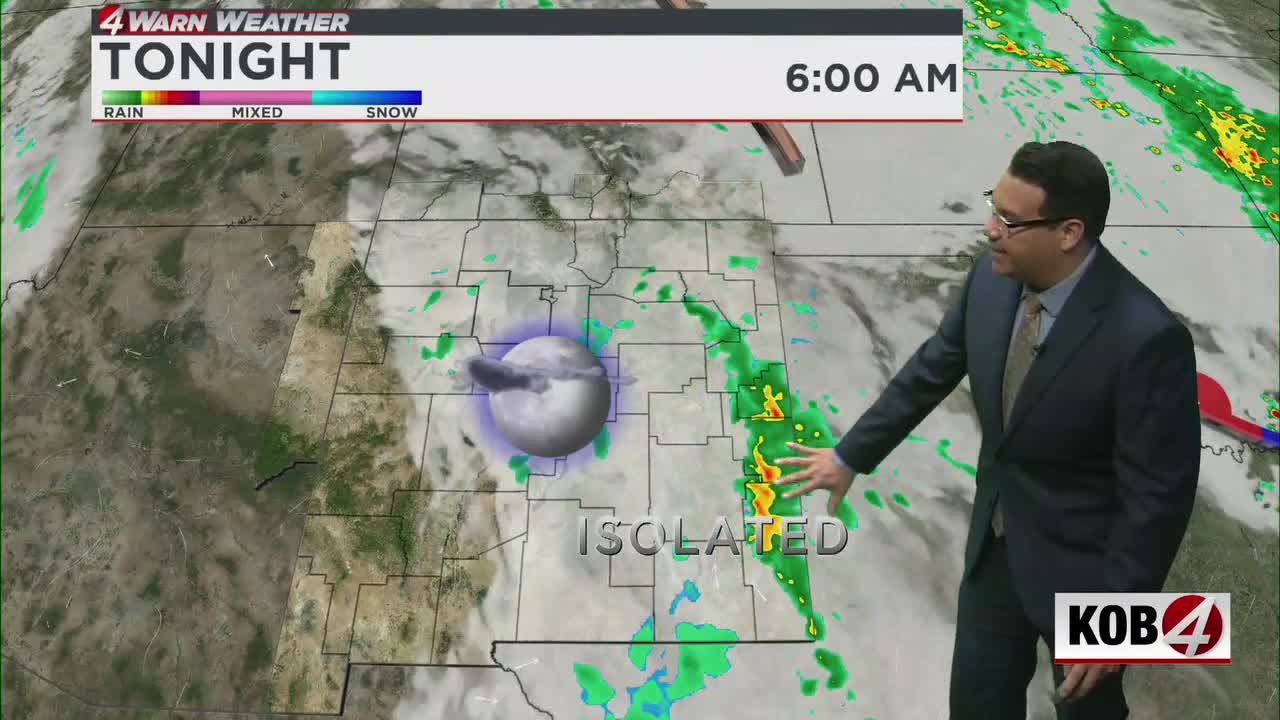
Because let’s be real, a quick afternoon deluge in, say, Clovis or Portales, ain’t exactly a long-term solution to existential water woes. No, these isolated downpours are more like a taunt. While [QUOTE_PLACEHOLDER] might sound like a reprieve—a cool drink after too long under the relentless sun—it often carries the seeds of new dangers. Picture this: a landscape that’s been baking for weeks. A sudden, intense burst of water slams down. It doesn’t soak in. It runs, ripping through dry topsoil, churning arroyos into temporary, destructive rivers. That’s how erosion hits. That’s how flash floods surprise unsuspecting communities.
But the real villain lurking in the shadows, the one that makes every meteorologist and politician nervously tap their foot, is wildfire. Low humidity, dry fuels—it’s a combustible cocktail just begging for a spark. And guess what a typical thunderstorm brings? Lightning. Plenty of it, sometimes without enough rain to quench the nascent flames it ignites. The conditions currently described as [QUOTE_PLACEHOLDER] for western and central New Mexico, with [QUOTE_PLACEHOLDER] aren’t just an inconvenience for your afternoon walk. They’re a red flag for firefighters. This isn’t a battle against mere weather; it’s an ongoing, high-stakes war against the forces of nature, amplified by human impact on the climate.
It’s why officials watch every cloud, every atmospheric pressure drop, with a level of scrutiny usually reserved for geopolitical maneuvers. They’ve gotta know where the [QUOTE_PLACEHOLDER]—Clovis, Roswell, Hobbs, yes. But they’re equally focused on where they don’t favor. Because while one region might be getting a fleeting soak, places like Albuquerque, Socorro, or Gallup are left to contend with the dry, sweeping winds that just escalate the fire hazard. Bernalillo County’s recent spark ban isn’t just a local ordinance; it’s a testament to the daily struggle.
And let’s broaden the lens a bit. This kind of delicate, often frustrating, dance with extreme weather isn’t some niche New Mexican predicament. No way. Across the globe, particularly in vulnerable agricultural nations like Pakistan, communities are staring down similar, if not vastly more severe, environmental chess games. Pakistan, a country heavily reliant on its massive Indus River system fed by Himalayan glaciers, faces bewildering extremes. One year it’s record-breaking floods that displace millions and destroy crops; the next, it’s brutal droughts that cripple farming and intensify water scarcity. It’s a constant tightrope walk, exacerbated by a global climate crisis it played a minimal role in creating.
These are the policy challenges that keep leaders up at night—from the halls of Santa Fe to Islamabad. Protecting water sources, shoring up infrastructure, developing robust disaster response—it’s all about navigating an increasingly volatile climate. As of late May, data from the U.S. Drought Monitor indicated that nearly 60% of New Mexico was experiencing some level of drought, with certain areas facing extreme conditions. That’s a pretty stark number, right? This isn’t just a weather forecast; it’s an economic report, a public health warning, and a national security brief, all rolled into one volatile package. What looks like a simple line on a weather map translates into complex, messy policy decisions down on the ground.
What This Means
The continued isolated to scattered storms across New Mexico—alongside areas experiencing increased winds and dry conditions—reveal a multi-layered policy dilemma. Economically, even ‘brief heavy rain’ in an arid state doesn’t necessarily mean agricultural relief. It can often worsen topsoil loss or, if coupled with strong winds, damage fragile crops. Meanwhile, the heightened fire risk translates directly into increased budget allocations for wildfire suppression, potential losses in timber and grazing lands, and astronomical insurance costs for homeowners.
Politically, managing these contradictory conditions becomes a balancing act for state — and local governments. How do you implement effective water conservation policies when some areas get momentary deluges, while others bake? How do you fund mitigation efforts against flash floods — and simultaneously against wildfires? It demands a far more nuanced approach than simple binary solutions. This episodic, localized, and often destructive weather pattern also places immense strain on emergency services and local economies. It highlights the urgent need for long-term climate adaptation strategies, robust public education campaigns on water use, and modernized infrastructure capable of handling sudden weather shifts, not just predictable seasons. This isn’t just about New Mexico’s next forecast; it’s a microcosm of the larger, often overwhelming, environmental and economic hurdles facing nations everywhere, especially those, like Pakistan, whose very existence hinges on the caprices of a changing sky. And because it’s only gonna get hotter, we’re all in this together.