

Texas’ Troubling Echoes: Lawmaker Challenges Electoral Foundation
POLICY WIRE — Austin, Texas — For an institution designed to be the bedrock of democracy, an election’s perceived fairness often matters as much as its operational accuracy. It’s the whispers,...

POLICY WIRE — Austin, Texas — For an institution designed to be the bedrock of democracy, an election’s perceived fairness often matters as much as its operational accuracy. It’s the whispers, you know? The ones that eat away at public trust. And lately, those whispers around Texas elections have grown into something far louder, fueled by a sitting lawmaker’s eyebrow-raising pronouncements.
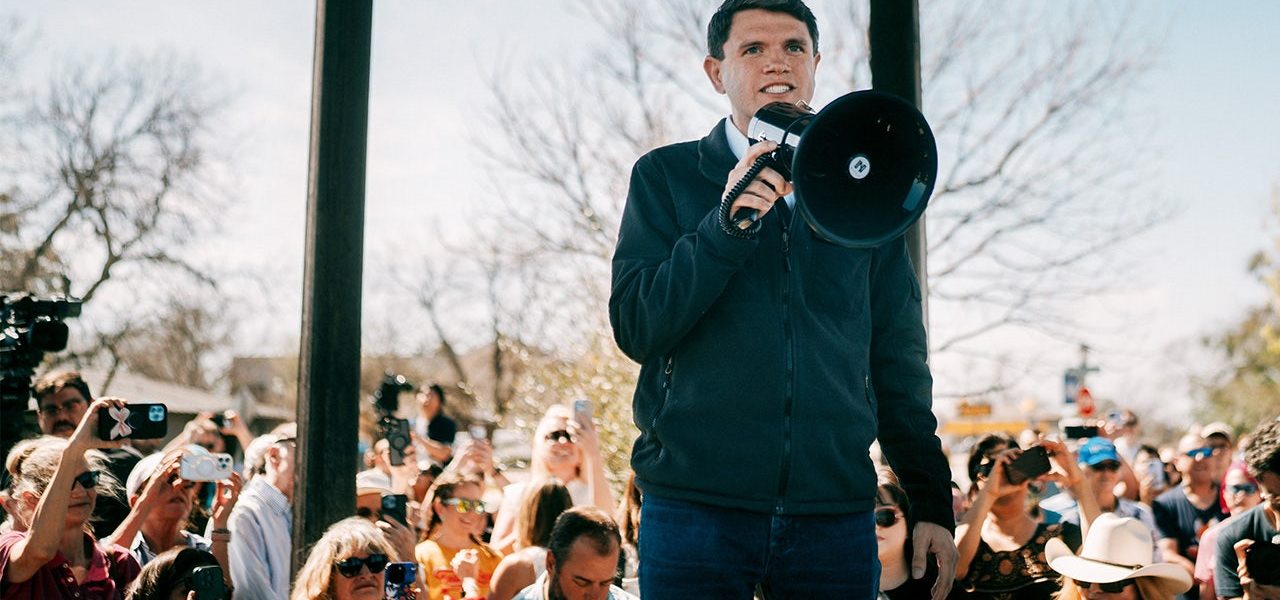
It’s not some fringe group yelling from the sidelines; this isn’t business as usual. We’re talking about an elected official here—a Representative, mind you—tossing serious allegations into the public square. Representative James Talarico, typically known for his legislative work, has recently offered what some are calling a [QUOTE_PLACEHOLDER] reason why he doesn’t see Texas elections as ‘free and fair.’ That’s quite a mouthful, isn’t it? It goes beyond mere dissatisfaction with outcomes, it actually pokes at the whole structural integrity of the system.
See, when someone from *inside* the system makes such an assertion, it shifts the ground a little. It’s one thing for pundits or activists to rage, but a lawmaker? That lends it an air of legitimacy, even if the underlying evidence isn’t widely shared. Because they’re supposed to be in the know, aren’t they?
Talarico didn’t pull his punches, either. He expressed that a confluence of specific legal maneuvers and on-the-ground procedural choices, which he described as creating [QUOTE_PLACEHOLDER] barriers for certain voting demographics, had fundamentally skewed the electoral landscape. This wasn’t just a lament about close races or policy disagreements. Oh no, he’s alleging systematic disenfranchisement, — and that’s heavy.
But how does something like this play out? It’s simple: it feeds the beast of cynicism. For voters, already battered by endless news cycles and polarized rhetoric, another blow to their faith in institutions is the last thing anyone needs. It just makes things messier. And it means less people bother to show up. A recent survey showed only 45% of Texans express high confidence in election results, according to polling data from the Lone Star State Elections Project. You can see how these kinds of claims wouldn’t help those numbers one bit.
And let’s be real, Texas isn’t some isolated island. These sorts of election integrity debates ripple outwards. Look around, claims about rigged systems — and unfair processes are practically a global sport these days, aren’t they? In places like Pakistan, for instance, post-election challenges are practically a tradition, with political parties routinely alleging widespread manipulation and questionable counting methods after almost every significant ballot. That constant questioning — sometimes legitimate, sometimes purely for political gain — chips away at institutional legitimacy, often leading to protracted political crises and even civil unrest. It’s a stark reminder of what happens when that trust truly shatters. The echoes from Austin, then, might not seem so distant to ears tuned into the political tremors of the Muslim world.
It’s important to remember that such accusations, whether rooted in solid evidence or mere political strategy, inherently reshape the narrative around democratic function. Voters, policymakers, — and international observers take notice. Because the next election isn’t just about who wins; it’s about whether anyone believes the result.
📄 POLICY WIRE WHITEPAPER PUBLISHED: PAKISTAN'S NATIONAL SECURITY POLICY PRIORITIES
👉 READ BY CLICKING HEREHe’s making quite a fuss, our Representative. Talarico’s comments also touch on ballot access restrictions, citing recent state legislative actions designed to tighten voter identification requirements and reduce early voting options as examples of what he considers deliberate obstacles to broad participation. [QUOTE_PLACEHOLDER]. They’re talking about a system tilting, not just swaying a little.
What This Means
Politically, Talarico’s pronouncements toss a sizable wrench into the already turbulent waters of Texas politics. For the ruling party, it necessitates either a strong rebuttal — providing irrefutable evidence of election integrity — or a tacit acceptance of the doubt being sown. Neither option is particularly palatable. It gives ammunition to opponents and forces those in power to constantly defend the process itself, diverting attention and resources from policy debates. This isn’t just an adversary’s tactical blunder; it’s a direct assault on the credibility of the state’s democratic machinery. It could energize one side but deeply alienate others, potentially leading to further partisan entrenchment and low voter turnout due to disillusionment rather than apathy.
Economically, persistent questions about electoral legitimacy can have subtle but serious ramifications. Businesses often prefer stable, predictable political environments. A government operating under a cloud of disputed legitimacy can face challenges attracting investment, maintaining credit ratings, or enacting long-term economic policies that require broad public buy-in. It’s not just about elections, you see, it’s about how much confidence the world — and its money — places in a state’s governance. Instability, even perceived, costs. The allegations made here, while perhaps specific to certain procedures, collectively project an image of an electoral system that may not be fully robust. This is a narrative no burgeoning economy wants associated with its brand, particularly not one as economically significant as Texas. These sorts of high-stakes diplomatic plays and investment decisions often hinge on a perception of stability and fair governance, something such claims actively erode.