


Fires of Distrust: Eastern Congo’s Cycle of Violence Endangers Global Health Security
POLICY WIRE — Beni, Democratic Republic of Congo — It’s a familiar kind of macabre theater unfolding again in eastern Congo, only this time the props are flames and the consequences, well,...

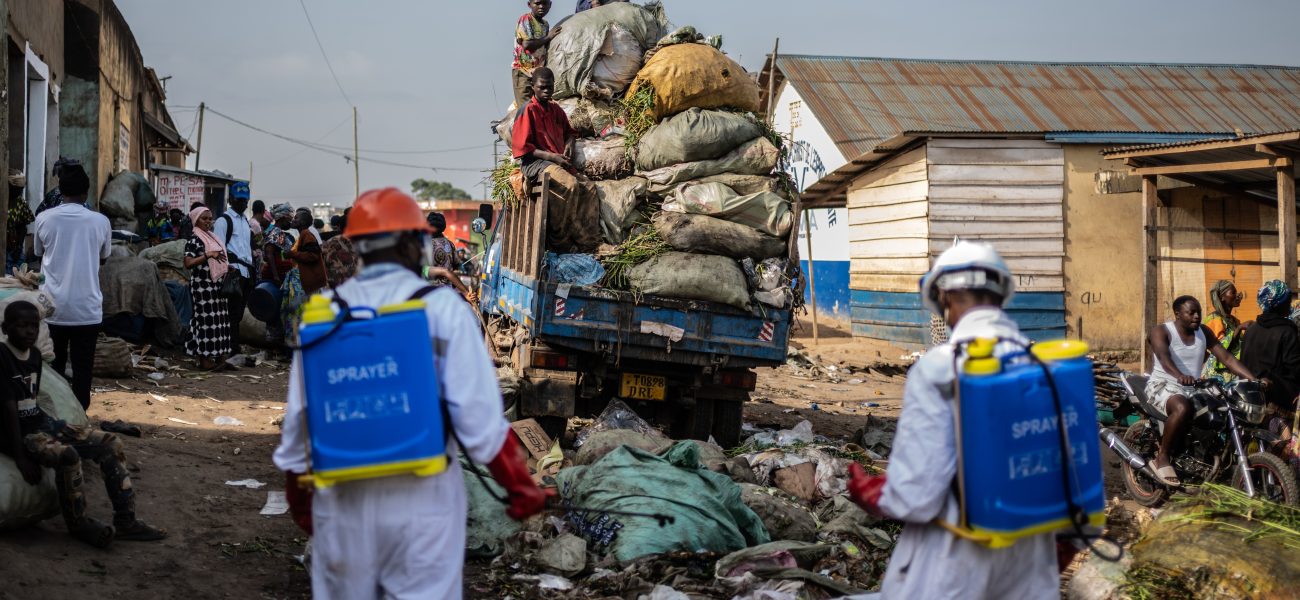
POLICY WIRE — Beni, Democratic Republic of Congo — It’s a familiar kind of macabre theater unfolding again in eastern Congo, only this time the props are flames and the consequences, well, they’re global. Another Ebola treatment tent—not just any tent, mind you, but one housing folks suspected of carrying a deadly, incredibly contagious virus—went up in smoke recently. It happened right outside Beni, a city that’s seen more than its share of grief, confusion, — and violence. The kicker? Eighteen suspected cases simply walked out, blending back into a population already wary, if not outright hostile, toward outside intervention. And just like that, the disease detectives are back to square one.
This isn’t a fresh storyline, is it? We’ve witnessed this particular tragedy too often in places where conflict boils hotter than any fever. A cycle, that’s what it feels like: disease outbreaks, earnest attempts at containment, then the swift, ugly punch of local distrust morphing into outright aggression. It’s a tough knot to untangle—one part genuine grievance against government and foreign forces, another part dangerous misinformation fueled by opportunistic militias.
Because you’ve got to understand, this region, North Kivu, it’s been wracked by an insurgency for what seems like forever. The Allied Democratic Forces (ADF), a particularly nasty group with shadowy ties and no discernible moral compass, often uses chaos as a tool. And in areas where a strong central authority is just a theoretical concept, any official presence—even a humanitarian one—can become a lightning rod for resentment. You get people who genuinely believe the disease is a hoax, or worse, a deliberate plot concocted by outsiders.
“This isn’t just about a virus anymore; it’s about the erosion of faith,” lamented Governor Mutombo Kanyama of North Kivu, his voice reportedly tinged with weariness during a recent security briefing. “We’re asking people to trust us, to isolate their sick, but then we can’t even keep our own medical infrastructure safe. What message does that send?” It’s a pretty grim question, isn’t it?
The health workers, often brave souls from Doctors Without Borders or the World Health Organization, they’re operating on a knife’s edge. Every syringe, every quarantine effort, every deceased body handled with careful protocols becomes a point of contention. During the 2018-2020 Ebola outbreak in North Kivu and Ituri, for instance, over 300 attacks on health facilities and workers were recorded, according to Doctors Without Borders. That tells you everything you need to know about the backdrop.
📄 POLICY WIRE WHITEPAPER PUBLISHED: PAKISTAN'S NATIONAL SECURITY POLICY PRIORITIES
👉 READ BY CLICKING HEREAnd then eighteen suspected cases just vanish into the ether. They’re not necessarily infected, no. But the probability’s certainly high enough to induce cold sweats in any epidemiologist. Imagine tracking those folks, locating their contacts, explaining it all from scratch, when you’ve already had your operations center burned to ash. Dr. Elena Petrova, head of WHO’s regional response team, didn’t mince words, “You can rebuild a tent, sure, but repairing broken trust, that’s a whole different calculus. Every setback like this complicates things enormously, putting countless more lives at risk, locally — and beyond.”
This situation echoes in other troubled parts of the world, too. Think about polio eradication efforts in some areas of Pakistan, where health workers face similar threats—attacks, kidnapping, relentless propaganda that labels vaccines as Western plots. The reasons are different, sure, tied to geopolitical complexities — and religious fundamentalism in those contexts. But the pattern? Distrust of state and foreign actors, misinformation, and the targeting of life-saving missions—it’s disturbingly familiar. These aren’t just local problems; they’re interconnected threads in a global web of insecurity.
What This Means
The latest conflagration near Beni isn’t just about a tent or a handful of escaped individuals. It’s a flashing red light for global public health security. Economically, this continued instability translates to a protracted health crisis, crippling local livelihoods, and scaring off any serious investment that isn’t extractive. It costs money, real money, to battle an outbreak like this—money that’s often diverted from other essential services. Politically, it signals a complete breakdown of faith between communities and authorities, both local and international. Governments can’t effectively govern, and aid organizations can’t effectively aid, when their basic presence is seen as an act of aggression. The economic implications are stark: regions gripped by such chronic public health emergencies become black holes for development, trapping their populations in cycles of poverty and illness. Don’t expect multinational corporations to flock to Beni anytime soon, no matter the mineral wealth underfoot.