


Exotic Peril: Tourist’s Cobra Demise Exposes Underbelly of South Asian Spectacle Tourism
POLICY WIRE — Colombo, Sri Lanka — The curated illusion of exotic escapism, often the primary draw for vacationers seeking a brush with the extraordinary, shattered brutally this week in a South...

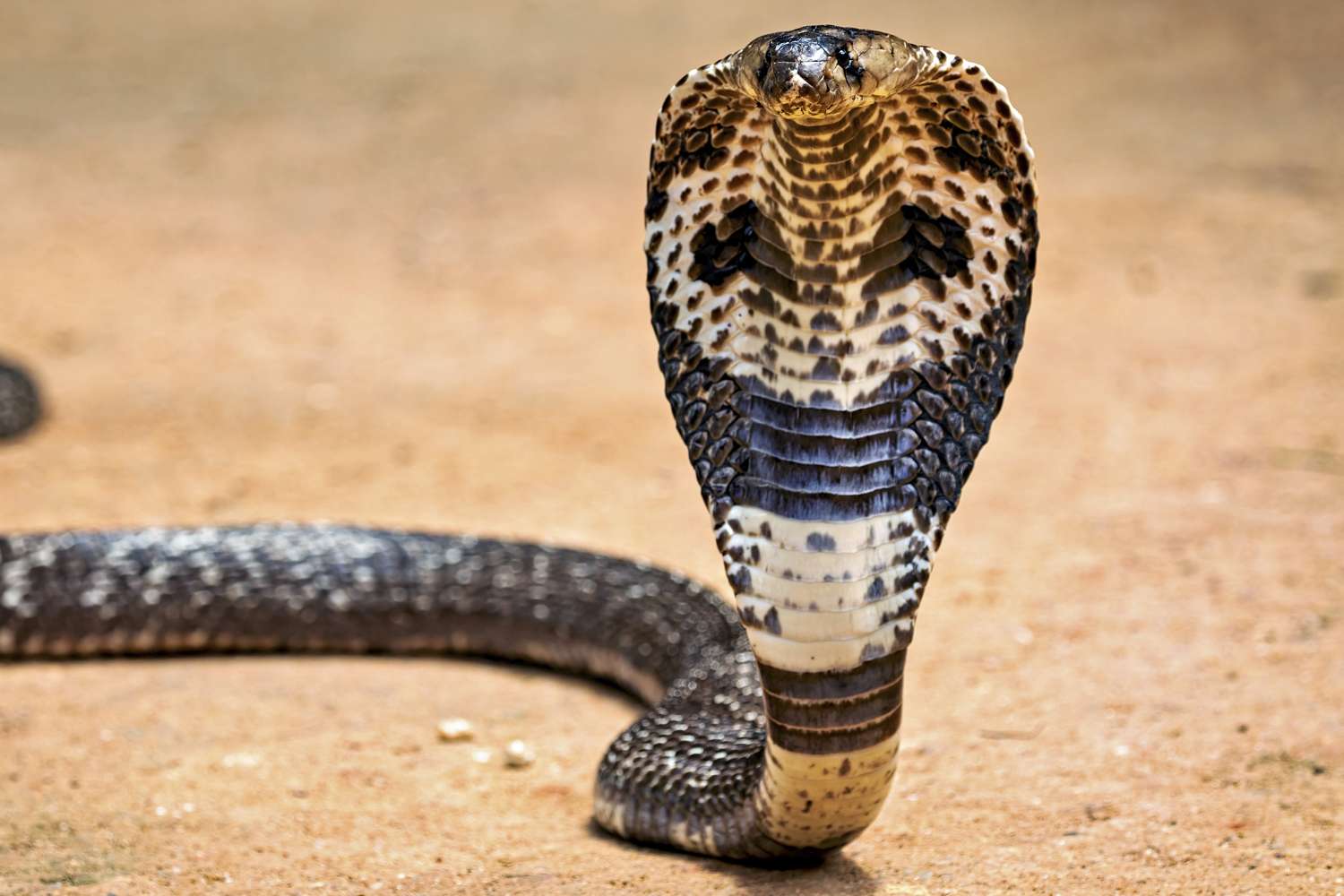
POLICY WIRE — Colombo, Sri Lanka — The curated illusion of exotic escapism, often the primary draw for vacationers seeking a brush with the extraordinary, shattered brutally this week in a South Asian resort town. It wasn’t a shark attack or a rogue wave that claimed a foreign national; it was something far more intimate, more unsettling—a king cobra, its potent venom an unyielding testament to nature’s unscripted power, that emerged from the most improbable of places: a tourist’s trousers.
Behind the gilded promise of cultural immersion and thrilling spectacle, a British tourist, whose identity remains withheld pending family notification, succumbed to a fatal snakebite during what was billed as a traditional, mesmerizing snake charming exhibition at a prominent hotel. The serpent, a majestic but profoundly dangerous cobra, somehow found its way inside the man’s attire during the performance. And there, amidst gasps that quickly turned to horror, it delivered its terminal payload. He collapsed moments later, the resort’s hastily summoned medical team ultimately powerless against such an aggressive neurotoxin. It’s a macabre twist, isn’t it, for a vacation to end in such a specific, archaic terror?
This isn’t merely an isolated, freak accident. It’s a stark, venomed puncture through the thin veneer of regulated tourism, particularly in regions where cultural displays involving wildlife often operate in a grey zone of oversight. South Asia, with its rich tapestry of ancient traditions, has long capitalized on spectacles involving everything from elephants to, yes, snakes. But the commercialization of these practices for tourist dollars frequently sidesteps rigorous safety protocols and, more profoundly, ethical considerations for the animals involved.
Still, the implications for the region’s vital tourism economy are undeniable. Dr. Ananda Rajasinghe, Sri Lanka’s Deputy Minister for Tourism and Wildlife, shot back at critics, stating, "This deeply regrettable incident casts a pall over our vibrant tourism sector, yes, but we’re committed to a thorough investigation. We’ll ensure such preventable tragedies don’t recur; safety remains paramount for our visitors and our people." His words, however, offer little solace to a family grieving or to those now questioning the true cost of such entertainment.
But many experts contend the issue runs deeper than mere regulation. "These ‘shows’ are a relic, ethically dubious — and inherently dangerous," opined Dr. Zara Ali, Director of the South Asian Wildlife Conservation Trust. "Wild animals aren’t props; they’re sentient beings whose unpredictable nature—and potent venom—should command respect, not spectacle. To cage them, defang them, or force them into unnatural performances is a grave injustice, often leading to tragic consequences for both human and animal." Her sentiment echoes a growing global chorus advocating for wildlife protection, a debate that extends from monastic efforts to save endangered rabbits to the ecological controversies surrounding billionaire ambitions involving exotic species.
At its core, this tragedy underscores the precarious relationship between humanity and the wild, particularly when profit motives supersede genuine respect. The practice of snake charming, deeply embedded in the cultural folklore of countries like India, Pakistan, and Sri Lanka, has been slowly fading due to urbanization and legislative efforts to protect wildlife. Yet, its exotic allure persists in tourist hotspots, feeding a demand that often fuels illegal trade and inhumane practices.
It’s not just the immediate risk. The larger canvas reveals a chilling statistic: the World Health Organization (WHO) estimates that snakebites cause between 81,000 and 138,000 deaths globally each year, with South Asia shouldering a disproportionately heavy burden of these fatalities. This incident, while sensational due to its context, is but a single, vivid example of a pervasive, often overlooked public health crisis.
What This Means
This incident is poised to send ripples through South Asia’s tourism industry, potentially prompting a long-overdue reckoning with the ethics and safety of animal-based entertainment. Politically, it’ll put pressure on governments to enforce stricter wildlife protection laws and tourism safety standards, perhaps even outright banning certain performances. Economically, a decline in tourist arrivals due to safety concerns could severely impact local livelihoods dependent on the hospitality sector. For tour operators, it’s a red flag; they’ll need to re-evaluate their offerings, moving away from potentially perilous spectacles towards more authentic, and crucially, safer cultural experiences. The incident serves as a grim reminder that when the ‘wild’ is commodified, its inherent unpredictability can have dire, irreversible consequences, staining national reputations and forcing a re-evaluation of what constitutes ‘exotic’ versus genuinely hazardous.