


Europe’s Cold Shoulder: Brussels Targets Kremlin’s Trade in Stolen Childhoods
POLICY WIRE — Brussels, Belgium — It wasn’t the usual dry communiqué from the European Council, full of economic percentages or bureaucratic acronyms. Not this time. When Brussels finally...

POLICY WIRE — Brussels, Belgium — It wasn’t the usual dry communiqué from the European Council, full of economic percentages or bureaucratic acronyms. Not this time. When Brussels finally dropped its latest set of punitive measures against Moscow’s cronies, the targets weren’t oligarchs buying luxury yachts, but those accused of trafficking human innocence—Ukrainian children.
It’s a chilling reminder: sometimes, the most profound state-sponsored horrors don’t involve ICBMs or tank brigades. They operate in plain sight, with spreadsheets — and adoption papers, stripping a generation of its roots. The European Union, often criticized for its deliberation, has pointed a rather stark finger at institutions and individuals it claims are facilitating the forced transfer and illegal adoption of thousands of Ukrainian minors. You’d think some things would be beyond the pale. Evidently not.
And so, after months, even years, of well-documented reports, the wheels of justice—or at least, sanction committees—have turned. The new package adds a suite of names to the existing blacklist, ranging from judicial officials to educators in occupied territories, all implicated in a vast, systematic effort to erase Ukrainian identity from these young lives. It’s not just moving kids from Point A to Point B; it’s a planned psychological demolition. This isn’t merely war; it’s a perverse social engineering project.
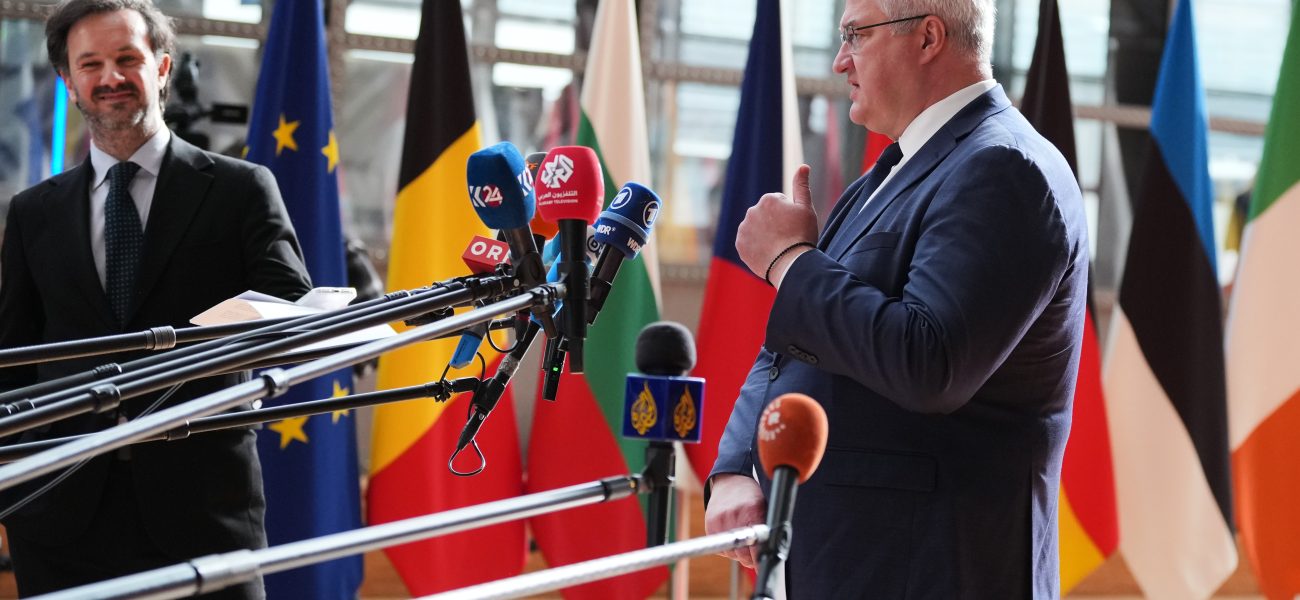
But can a financial freeze or a travel ban truly address a crime this insidious? Josep Borrell, the EU’s High Representative for Foreign Affairs, doesn’t mince words, well, for him anyway. “This isn’t just about the sovereignty of Ukraine, vital as that’s. This is about a moral stain, a scar on humanity that we cannot and won’t ignore,” he told reporters, his face a grim mask. “We’re sending a message: enabling the theft of children will come with a price.”
In Kyiv, where every day brings fresh atrocities, the sanctions are welcomed, if still considered overdue. Dmytro Kuleba, Ukraine’s Foreign Minister, has consistently pushed for harsher international responses. “Every day these children aren’t back with their families, back on Ukrainian soil, is another day that Moscow’s brazen impunity continues,” he asserted, reflecting a deep frustration with the global community’s measured steps. “This war isn’t just over land; it’s for our future, our very progeny.” It makes you think about how quickly geopolitical calculations can obscure truly awful, foundational transgressions.
The numbers themselves are harrowing. According to Ukrainian government data compiled by the Children of War portal, over 19,000 Ukrainian children have been deported or forcibly displaced to Russia since the full-scale invasion began in February 2022. That’s not a typo. Nineteen thousand. And many humanitarian groups contend the actual figure is significantly higher. Imagine the chaos, the quiet desperation in thousands of Ukrainian homes, wondering where their kids are. It’s a tragedy that unfolds with terrifying normalcy on Russia’s part.
📄 POLICY WIRE WHITEPAPER PUBLISHED: PAKISTAN'S NATIONAL SECURITY POLICY PRIORITIES
👉 READ BY CLICKING HEREHere’s the thing, though: the world is watching, even if it feels selective at times. In corners of the Muslim world, where populations have too often witnessed the callous displacement of their own children in conflict zones, Brussels’ belated, albeit righteous, ire still begs the question: where’s the global consistency? We see narratives, you know, of double standards, and how these sanctions against Russia are a specific response to European conflict while similar or worse conditions in other regions, say, involving Palestinian children, often elicit muted responses or procedural condemnation. That perception, fairly or unfairly, corrodes the very moral high ground Brussels aims to claim here.
Because ultimately, when you boil it down, human dignity should transcend borders — and political convenience. But it rarely does. The sheer scale of what’s been happening—re-education camps, attempts at swift ‘russification’—it speaks volumes. This isn’t some rogue operation. This is state policy. And the world’s major powers, it seems, are still wrestling with how to grapple with a state openly violating conventions so fundamental, so universal, that they form the bedrock of international law.
What This Means
The latest EU sanctions, while focused — and specific, reflect a widening and deepening chasm between Europe and Russia. Politically, they further cement Russia’s pariah status in the eyes of Western capitals, making any future reconciliation an even more distant dream. It’s a signal to Russian-aligned entities that participating in such horrific acts will now carry direct, personal consequences, moving beyond broader economic measures. The EU’s moral standing is certainly bolstered, at least domestically, by directly addressing an issue that strikes at the very heart of human rights and international humanitarian law. This isn’t just about Ukraine; it’s about shoring up a crumbling international legal framework. For Kyiv, these actions offer a small, tangible win, but they’re still searching for practical mechanisms to bring the children home.
Economically, the impact of these specific sanctions is more targeted than comprehensive. They hit individuals and their immediate networks, creating inconvenience and financial obstacles rather than inflicting macro-level damage on the Russian economy. However, they complicate logistics and support structures for those operating in occupied territories, making it harder for Russian administrators and their local collaborators to conduct their business as usual. It’s a drip-drip approach, designed to erode capabilities rather than immediately dismantle them. And it serves as a stern warning: crossing this line has irreversible repercussions. As Europe tries to reckon with its neighbor’s escalating aggression, the conversation often loops back to accountability—an uncomfortable reckoning, as Finland’s President Stubb recently pointed out, for a continent caught off guard. See: Finland’s Stubb Sparks Europe’s Uncomfortable Russia Reckoning.