Scaloni’s Squad: Argentina’s High-Stakes Gamble Ahead of the World Cup
POLICY WIRE — Buenos Aires, Argentina — They call it a preliminary list, a bureaucratic formality required by FIFA, but for Argentina, these 55 names tossed into the global footballing cauldron...

POLICY WIRE — Buenos Aires, Argentina — They call it a preliminary list, a bureaucratic formality required by FIFA, but for Argentina, these 55 names tossed into the global footballing cauldron represent far more than just a pool of potential players. This isn’t merely an administrative exercise; it’s a high-stakes gamble, a cold, hard ledger of who’s in the running for national immortality and who, like Paulo Dybala, faces the bitter taste of omission. Because when it comes to the Albiceleste, nothing is ever truly simple. There are always politics, the crushing weight of expectation, — and the shadow of Diego Maradona, watching from beyond.
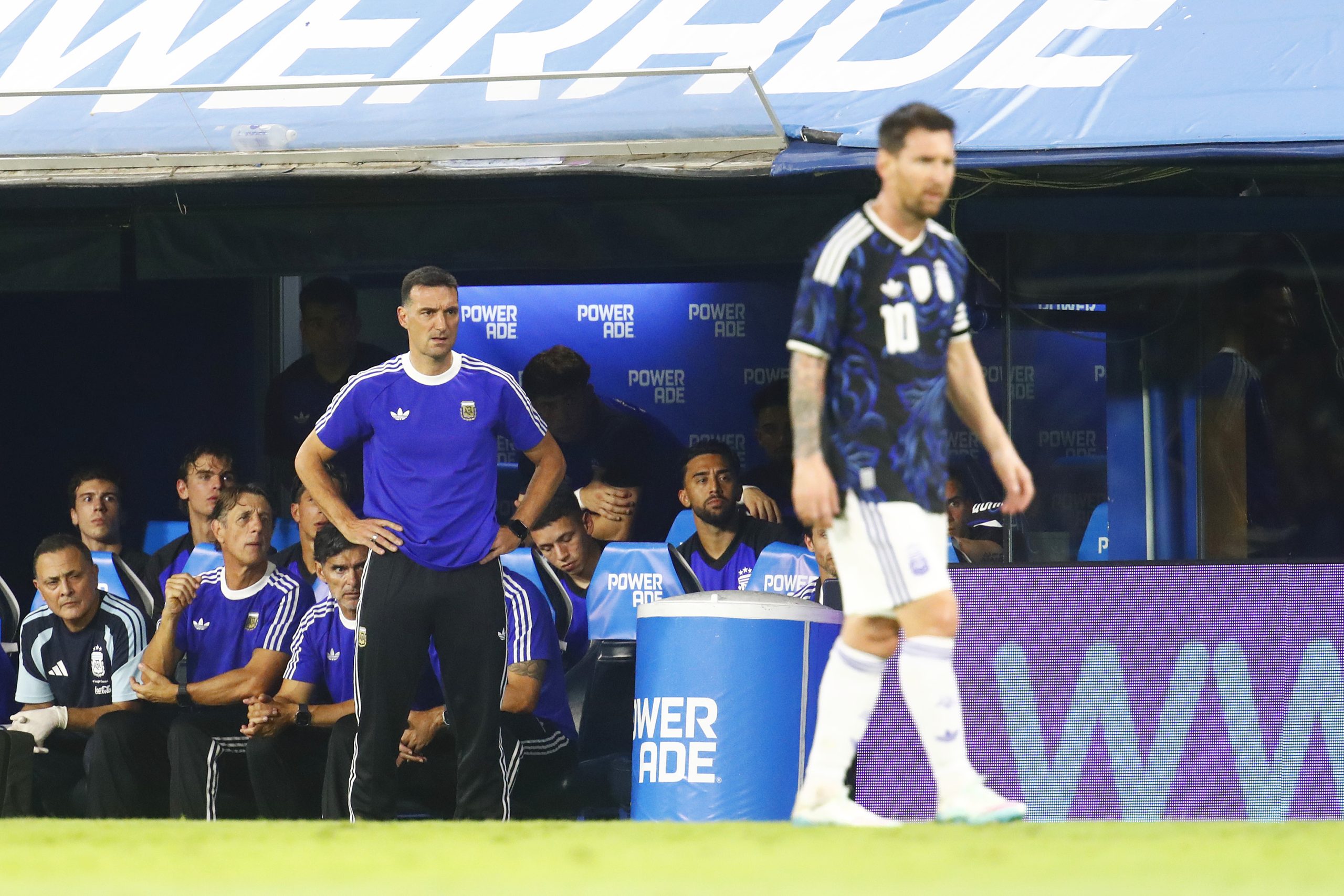
It’s the quiet culling, the soft-spoken declaration of war on sentiment. Coach Lionel Scaloni, the architect of their last World Cup triumph—a feat that finally crowned Lionel Messi and brought the country to a standstill—has put together a provisional roster for the 2026 World Cup that attempts to meld grizzled experience with the raw, sometimes chaotic, energy of youth. But let’s be frank: it’s less about blending — and more about calculating risks.
The headline, naturally, features Messi, a man who’s essentially beyond selection, his inclusion a given until he himself decides otherwise. But the true story lies in the names that aren’t there, or perhaps more subtly, the faces brought into the harsh glare of this unforgiving national spotlight. Dybala, ‘La Joya’ (The Jewel), Roma’s star forward, finds himself on the outside looking in. For a player once seen as part of the country’s footballing future, his recent inconsistencies have apparently proved too much for Scaloni’s pragmatic approach. It’s a stark reminder that past glories, or even past promise, don’t guarantee a seat at this table.
“It’s never easy,” Scaloni reportedly remarked, his brow furrowed during a recent press brief. “Every name on that roster, — and every name not on it, carries the weight of a nation. But we’ve got to look to the future, blend the magic with raw energy, and make some incredibly difficult calls for what we believe is best for Argentina.” It’s a coach-speak masterpiece, hinting at tough decisions without actually detailing the painful choices he’s already made. He’s trying to build for tomorrow while everyone’s still reliving yesterday.
And then there are the ‘Europibes’—the European-based youngsters. Alejandro Garnacho from Chelsea (though listed here with a subtle dig at his Manchester United pedigree, perhaps), Franco Mastantuono of Real Madrid, and Claudio Echeverri now at Girona. These are the supposed future, names barely known to some Argentinian fans outside their respective club circuits, yet thrust into a lineup that demands perfection. Scaloni’s bet here isn’t just on talent; it’s on potential. It’s hoping they can handle the unbearable pressure of pulling on that sky-blue-and-white shirt when the stakes are astronomical. Because if they falter, the public won’t forget.
But the focus isn’t entirely abroad. Scaloni’s gone heavy on domestic talent, pulling in players from the heated rivalries of River Plate — and Boca Juniors. Even young goalkeeper Santiago Beltrán gets a nod, a pleasant surprise for those who champion local leagues. This list—this sprawling 55-man behemoth—functions as little more than an injury insurance policy, a FIFA-mandated administrative maneuver. According to FIFA regulations, any last-minute replacement for the final 26-man squad must come directly from this pool. So, while it seems inclusive, it’s actually incredibly calculated: ensuring every position is covered, every eventuality accounted for, from goalkeepers numbering six to a myriad of full-back options. They don’t want any ‘unforeseen issues’ before their debut against Algeria. Who does, right?
“The Albiceleste aren’t just a team; they’re a brand, a global phenomenon,” said Claudio Tapia, head of the Argentine Football Association, with a knowing wink that only a man accustomed to such high stakes could muster. “This preliminary selection ensures our continued competitive edge on the world stage, guarding against unforeseen hiccups. It’s about protecting the investment, both emotional and financial, that our fans and our nation have poured into this team.” He’s not wrong. The emotional investment alone is staggering, stretching far beyond Argentina’s borders.
What This Means
This preliminary squad isn’t just a sports roster; it’s a political statement about generational shifts and strategic priorities. For Argentina, football isn’t just a game; it’s an extension of national identity, a primary cultural export. The selections reflect Scaloni’s attempt to manage the inevitable decline of an iconic generation while placating a fan base that demands continued supremacy. Dybala’s exclusion, while framed as a performance issue, also signals a ruthlessness in team construction—a manager unafraid to cut perceived dead weight, regardless of past reputation. This creates internal dynamics, whispered discontent that can, on occasion, even mimic past team implosions. It’s a fragile alchemy, maintaining squad cohesion amidst such high-profile cuts.
Economically, every player on that preliminary list represents a potential boost in their market value, particularly the younger ‘Europibes.’ Clubs around the world will be watching these young players with keen interest, knowing that a strong showing in a World Cup-level squad—even a preliminary one—can send transfer fees soaring. And culturally, the echoes of this Argentine selection will reverberate globally. From the packed cafes of Istanbul to the bustling markets of Lahore, where a staggering number of fans passionately follow European and South American football, these squad decisions matter. For many across the Muslim world and South Asia, supporting teams like Argentina is more than a pastime; it’s a shared global experience, transcending geographical and political divides. FIFA reported over 1.5 billion viewers tuned in for the 2022 World Cup final between Argentina and France, making it the most-watched football match in history, a figure bolstered by massive viewership in these regions. The dream, for this Argentine squad and their worldwide devotees, remains unchanged: another shot at glory, another chance to etch their names into eternity.