Riyadh’s Ring Diplomacy: When Victory and Defeat Blur in the Kingdom’s New Arena
POLICY WIRE — Riyadh, Saudi Arabia — The fluorescent gleam of Riyadh’s hyper-modern media tents, mere paces from the gladiatorial octagon, often belies the primal grit they contain. Here,...

POLICY WIRE — Riyadh, Saudi Arabia — The fluorescent gleam of Riyadh’s hyper-modern media tents, mere paces from the gladiatorial octagon, often belies the primal grit they contain. Here, sweat, blood, — and marketing budgets coalesce into a spectacle that’s part sport, part geopolitical statement. But amid the choreographed declarations of triumph and the measured reassurances of promoters, sometimes a fighter’s true measure — and a country’s evolving ambition — isn’t found in a belt around the waist, but in the echoes of a trainer’s raw assessment.
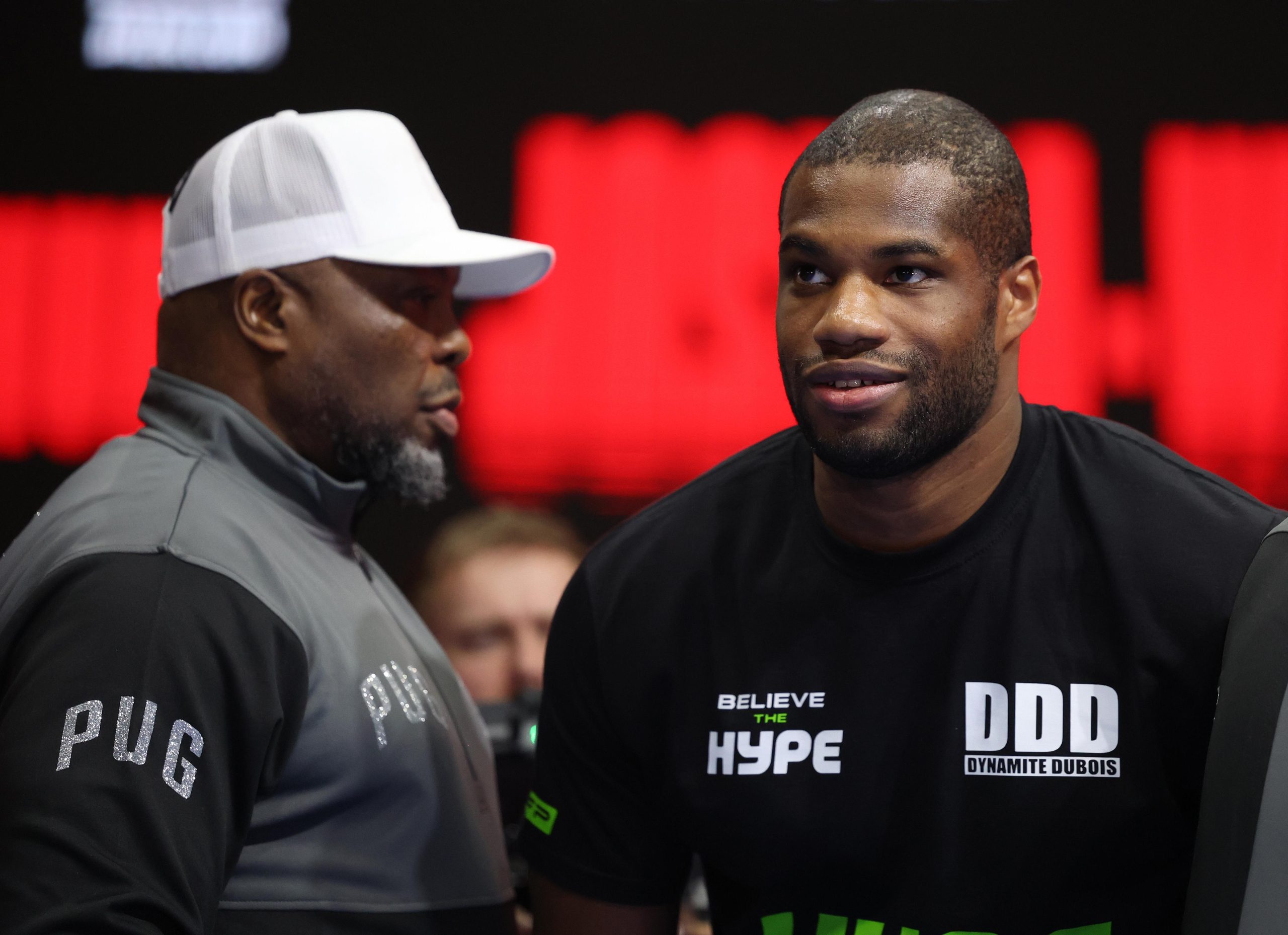
“There was no losers in there tonight.” Don Charles, trainer to heavyweight sensation Daniel Dubois, didn’t utter these words from a philanthropic impulse. No, he’s a veteran of the squared circle, sharp as a tack and intimately familiar with the brutal calculus of a prize fight. Dubois, his charge, had just reclaimed a world championship title after a punishing contest with Fabio Wardley. And Charles? He was observing something bigger than a scorecard; he was talking about optics, market value, and maybe even a dash of sporting philosophy—all within the shimmering crucible of the Saudi capital.
Because that’s the thing about this sport now, isn’t it? The sheer magnitude of the events here—backed by staggering Saudi investment—has started to bend the very definition of defeat. Losing might not always be the end of the world when the appearance fee alone can buy you a small yacht. We’re in a new era. It’s wild.
Charles didn’t pull punches recalling Dubois getting knocked early. “This is heavyweight boxing. When you got two big punchers like that, that can happen.” It’s a plain truth. He mentioned how Dubois recovered, showing grit, then returned to the fray. “That was definitely not the script, that’s not how it’s supposed to go from our side. But now I can say this, we stayed calm.” It’s that steely resolve, both from fighter and corner, that defines their game, win or—well, apparent—lose.
Then, the subtle endorsement for Wardley: “Gladiators.” That’s what Charles called both men. And he insisted, “There was no losers there in my eyes. Boxing won tonight, we came away with the belt.” That’s a professional perspective, yes, but it’s also one colored by the new realities of an industry where a good showing, regardless of the final outcome, keeps you marketable. And being marketable keeps you employed. Charles also briefly touched upon giving Dubois a ‘slap’ between rounds: an “instinctive vibration, energy to wake up him.” Pure combat psychology, you know? Keeping the man in the moment, making him realize there’s a job still to be done.
Promoter Frank Warren, a man who rarely shies from a bold statement—and an even bolder business deal—echoed Charles’ sentiment with a different cadence. “Look, these events in Riyadh aren’t just fights; they’re grand statements,” Warren reportedly declared after the bout. “They showcase these athletes on a global platform, demonstrating their worth far beyond a single night’s result. Both Daniel — and Fabio elevated their profiles immensely. It’s business, yes, but it’s also artistry. And artistry sells, regardless of the narrow definition of who won or lost the last punch.” Warren knows the bottom line, probably better than most, so his words aren’t just praise; they’re cold, hard valuation.
The numbers behind such spectacles are indeed staggering. Consider this: Saudi Arabia, according to its Vision 2030 documents, is earmarking roughly $100 billion for investment in its tourism and sports sectors alone by that year. That’s a sum so enormous it dwarfs entire national economies in some parts of the world. It’s reshaping landscapes, not just physically, but economically and culturally across the region, pulling in audiences from Islamabad to Cairo, who increasingly follow these high-stakes, Gulf-hosted spectacles.
What This Means
This changing narrative—where “no losers” exists alongside a world champion—isn’t some fluffy platitude; it’s a reflection of deeper geopolitical and economic shifts. Saudi Arabia’s muscular foray into sports isn’t just about entertainment; it’s a calculated move. It’s about soft power projection, diversification from oil, and establishing Riyadh as a global hub for… well, everything, frankly.
When you have enough capital to host the world’s most lucrative bouts, the rules of engagement shift. Athletes become more than just fighters; they’re brand ambassadors, their performances intrinsically linked to the Kingdom’s image. A ‘good show’ for a ‘loser’ maintains audience interest, justifying the colossal investment and—let’s be honest—drawing future spectators from markets like South Asia, where combat sports command fervent devotion. These fights aren’t merely physical contests; they’re an instrument of statecraft, meticulously calibrated for global appeal. It’s a testament to the brutal calculus that underpins modern professional sports, a dynamic explored more deeply in discussions about the financial engines driving top-tier athletic endeavors.
The economic impact here isn’t just felt in Riyadh. It reverberates. Broadcasters pay more, tourism surges, — and global audiences tune in. And all that feeds back into the Saudi vision. It isn’t just boxing winning, it’s a broader strategic play.
But there’s a subtext. The more money injected, the more opaque the definition of sporting integrity sometimes seems to get. Does a moral victory count the same when one fighter leaves with a multimillion-dollar payout? Absolutely, if you ask the promoters. That blurring of lines, between sporting merit — and economic utility, is a sign of our times. The Kingdom’s global ambitions aren’t just reshaping its desert; they’re redefining the very nature of competition itself. The game’s evolved, baby, and so too have the rules—even for those who didn’t raise their hand in victory.