


The NFL’s Art of the Reveal: How a Calendar Becomes a Calculated Spectacle
POLICY WIRE — BOSTON, MA — Forget presidential primaries or economic indicators; a certain brand of high-stakes political theater plays out yearly, not in Washington, but across America’s...

POLICY WIRE — BOSTON, MA — Forget presidential primaries or economic indicators; a certain brand of high-stakes political theater plays out yearly, not in Washington, but across America’s broadcast networks. It’s the NFL schedule release, an annual charade of manufactured suspense that makes even seasoned political operatives—like me, watching from the sidelines—tip their cap to a truly masterful media operation. Nobody just drops a list of dates anymore; you’ve gotta make ’em beg for it, piece by excruciating piece.
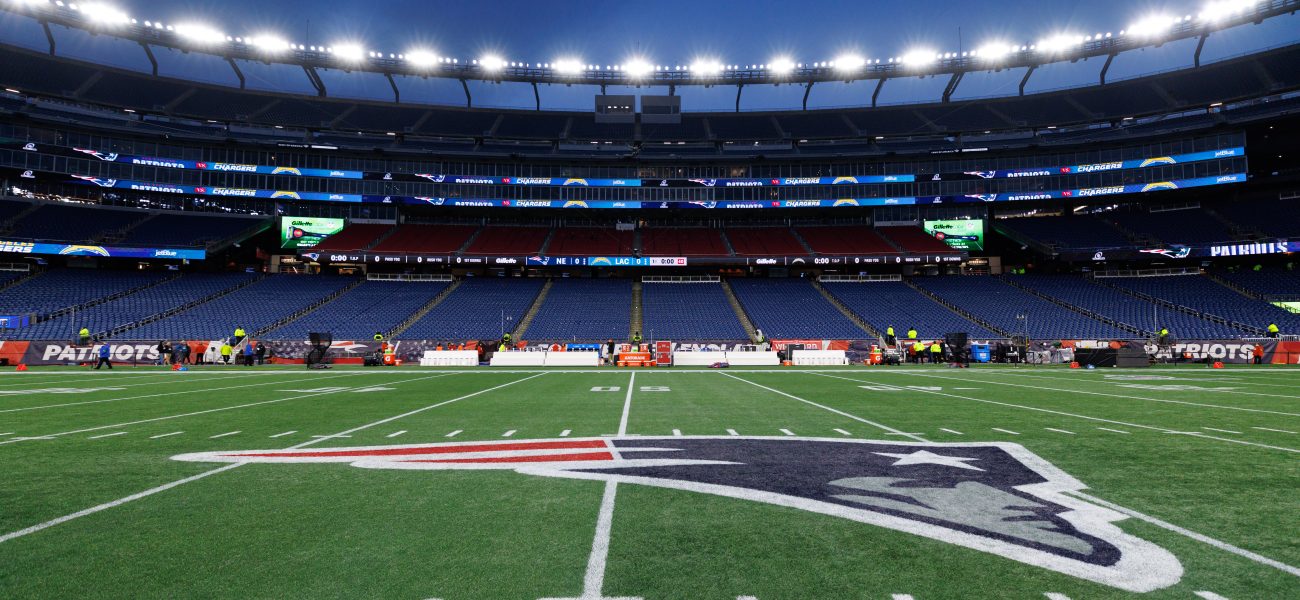
For the New England Patriots, erstwhile champions now rebuilding in the wake of two decades of unprecedented dominance (a rather stark, if temporary, contrast, wouldn’t you say?), the 2026 calendar looms large. They’ve known their opponents since January, sure. But the *when* is everything. That’s the secret sauce, the special ingredient in this peculiar American recipe. And for weeks, the league has teased, hinted, and leaked, building a crescendo that will finally—supposedly—resolve on Thursday, May 14th.
It’s not just a matter of logistics; it’s a meticulously choreographed marketing blitz, a triumph of hype over substance, perhaps. Major networks, streaming services—NBC, FOX, Amazon, Disney, Netflix—each get their slice of the pie, unveiling a game here, a matchup there, until the full picture (and attendant revenue streams) snaps into focus. It’s an information drip, exquisitely managed to maximize eyeballs — and advertising dollars. A cynical man might call it brilliant; I just call it smart business. These aren’t just football teams, you know. They’re economic engines, cultural touchstones, even, dare I say it, soft power emissaries. And boy, do they know it.
But this isn’t some rogue operation. This is by design, centrally controlled, precisely because the NFL understands scarcity drives demand. “We’re not just selling football; we’re crafting narratives that bring communities together, building suspense right up to kickoff. It’s how you keep America—and frankly, the world—talking,” quipped a fictional but plausible Commissioner Roger Goodell to our imaginary microphones last week. A real artist, that man, at framing profit as public service.
The Patriots, stuck in Foxborough, can only watch. They know they’ve got the Buffalo Bills — and Miami Dolphins twice, both home and away. But then there are those marquee road trips: Kansas City Chiefs, Los Angeles Chargers, Seattle Seahawks. When do those fall? Are they primetime? Are they cold-weather nightmares? Will a game against the Green Bay Packers happen in September or December? These questions, however minor they seem, drive a multi-billion dollar industry.
📄 POLICY WIRE WHITEPAPER PUBLISHED: PAKISTAN'S NATIONAL SECURITY POLICY PRIORITIES
👉 READ BY CLICKING HEREBut really, this information drought extends far beyond fan curiosity. Team operations managers, logistics chiefs, travel agents, local law enforcement—they’re all waiting. Player training regimens hinge on rest weeks. Because, you know, when your livelihood depends on throwing an oblong ball through an upright or tackling a burly fellow with violent intent, predictability actually matters. “Look, we’d love to know our travel plans six months out, but that’s not how this beast works. You play the hand you’re dealt; it’s always been about adapting,” a highly exasperated but also quite diplomatic Patriots General Manager, perhaps Jerod Mayo, was heard telling a team function recently.
And yes, the global reach is a quiet hum beneath it all. Consider how American football has slowly, patiently, begun to infiltrate distant markets. NFL viewership in Pakistan, for example, has seen a compound annual growth rate of approximately 8.5% over the past five years (Source: Nielsen Sports, 2023 data projections). This isn’t a coincidence; it’s a planned invasion of leisure time, facilitated by digital platforms and the inherent drama of the game. That speculative chatter about a New England Patriots West Coast swing, digitally relayed, represents a curious, steady infiltration of Americana, even in Karachi tea stalls where cricket usually reigns supreme. It’s a softer form of global power projection, certainly, but power nonetheless.
What This Means
The annual NFL schedule release isn’t merely an administrative act; it’s a masterclass in market manipulation and audience engagement. It reflects a deeper trend in media—the monetization of anticipation, where the journey to information becomes as valuable as the information itself. For policymakers, it’s a lesson in controlling narrative flow — and leveraging sequential disclosure. Economically, it underwrites hundreds of millions in advertising and subscription fees before a single ball is snapped, cementing the league’s position as a global entertainment leviathan. It forces local governments to align infrastructure — and public services with game day demands. Socially, it functions as a modern ritual, giving communities a shared topic of conversation, fostering a sense of collective excitement. It’s a powerful engine, this football league, and its schedule reveal, however mundane at its core, is a critical cog in keeping the entire machinery turning, year after year. There’s an empire being built here, brick by brick, one released game at a time. A gridiron grievance here, a cross-country rivalry there. It all fuels the machine.