

EU-Israel Trade Agreement: Mounting Pressure for Suspension Over Human Rights Concerns
POLICY WIRE — Brussels, Belgium — The European Union is facing intensified calls to critically reassess its long-standing trade agreement with Israel, with numerous voices urging for its potential...

POLICY WIRE — Brussels, Belgium — The European Union is facing intensified calls to critically reassess its long-standing trade agreement with Israel, with numerous voices urging for its potential suspension amid escalating human rights concerns.
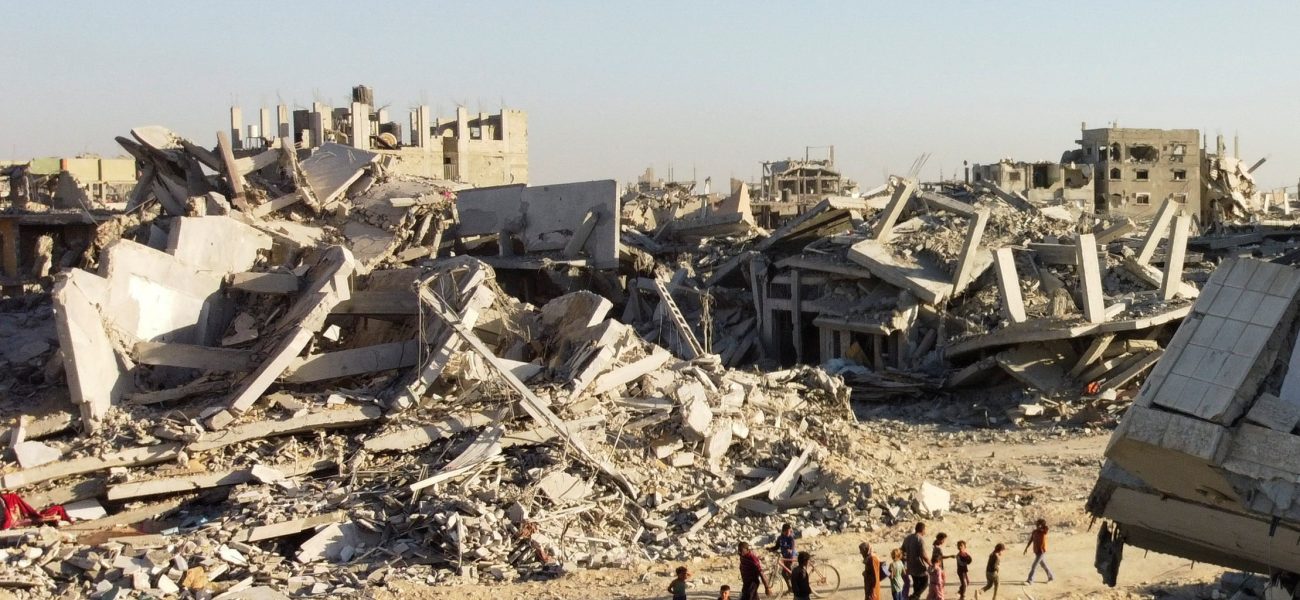
Activists, human rights organizations, and a growing number of European parliamentarians are pointing to the ongoing conflict and humanitarian situation in the Palestinian territories as the primary catalyst for these demands. They contend that Israel’s actions may be in violation of international law and the fundamental human rights principles enshrined within the existing accord.
The EU-Israel Association Agreement Under Scrutiny
The bedrock of economic and political relations between the EU and Israel is the Association Agreement, which became effective in 2000. This comprehensive pact facilitates significant trade and cooperation across various sectors.
Crucially, Article 2 of this agreement stipulates that relations between the parties must be based on “respect for human rights and democratic principles,” which it identifies as an “essential element.” Critics argue that recent developments suggest a breach of this foundational clause, thereby necessitating a review of the agreement’s operational status.
Several member states and influential parliamentary groups are now openly debating whether the EU’s continued adherence to the current terms aligns with its stated values and commitment to international legal standards. The pressure is multifaceted, encompassing both ethical considerations and geopolitical calculations.
Read More: US Pending Home Sales Unexpectedly Surge in March Despite Rising Mortgage Rates and Energy Costs
Calls for Action and Internal Divisions
Advocates for suspension highlight the rising civilian death toll, the displacement of populations, and restrictions on humanitarian aid as egregious violations that cannot be overlooked. They assert that upholding the agreement sends a contradictory message about the EU’s commitment to human rights globally.
However, the prospect of suspending the agreement is met with internal divisions within the European Union. While some countries and political factions favor a robust response, others express apprehension about the potential diplomatic and economic ramifications of such a move. Some members prioritize maintaining dialogue and influence, fearing that suspension could further destabilize the region or limit the EU’s role as a mediator.
📄 POLICY WIRE WHITEPAPER PUBLISHED: PAKISTAN'S NATIONAL SECURITY POLICY PRIORITIES
👉 READ BY CLICKING HERE“The European Union cannot remain silent when its fundamental principles are being challenged. Our agreements are not just about trade; they are about shared values,” stated a prominent MEP advocating for a review.
The debate also touches upon the legal precedent such an action might set for future agreements with other nations. Determining the exact threshold for invoking Article 2 has proven to be a complex and contentious issue for the bloc.
The potential economic fallout from a suspension is a significant consideration. Israel is a major trading partner for the EU, with billions of euros in goods and services exchanged annually. Disrupting this relationship could have substantial impacts on both economies, affecting sectors from technology to agriculture.
The ongoing deliberation underscores the delicate balance the EU must strike between its economic interests, its geopolitical standing, and its unwavering commitment to universal human rights. The ultimate decision on the future of the EU-Israel Association Agreement remains a pivotal challenge for European diplomacy.
A similar international challenge involving adherence to legal frameworks, albeit in a different context, can be seen in Nigeria Indicts Six for Treason in Alleged Independence Day Coup Conspiracy, where legal and political stability are under scrutiny.