


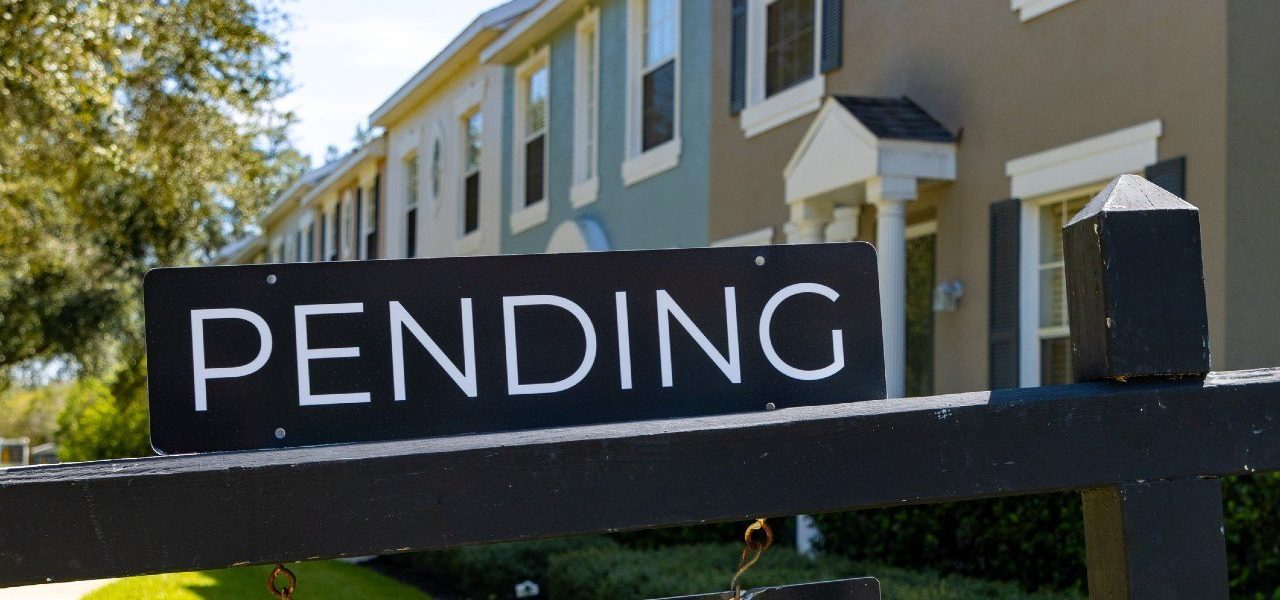
US Pending Home Sales Unexpectedly Surge in March Despite Rising Mortgage Rates and Energy Costs
POLICY WIRE — Washington, D.C., United States — The United States real estate market witnessed a surprising rebound in March, as pending home sales recorded an unexpected increase, defying the...

POLICY WIRE — Washington, D.C., United States — The United States real estate market witnessed a surprising rebound in March, as pending home sales recorded an unexpected increase, defying the deterrent effects of escalating mortgage interest rates and higher fuel prices.
This notable surge in signed contracts for existing homes suggests an enduring demand within the housing sector, even as broader economic pressures mount. The National Association of Realtors (NAR) reported a 5.0% month-over-month rise in its Pending Home Sales Index, marking an unexpected boost in activity.
Understanding the Market Resilience
Despite forecasts predicting a slowdown, the housing market exhibited remarkable resilience. Experts point to several factors contributing to this counterintuitive trend, including a persistent shortage of available homes for sale and a strong underlying desire among potential buyers to secure property before rates climb even higher.
“The March figures underscore a buyer determination that transcends prevailing economic headwinds. Many purchasers are evidently eager to enter the market, driven by limited inventory and the anticipation of future rate hikes,” stated a leading housing market analyst.
This urgency to lock in favorable rates before further increases take hold appears to be a significant motivator for many prospective homeowners. The data indicates that robust buyer interest is maintaining transaction volumes.
Read More: March Pending Home Sales Rise Amidst Surging Mortgage Costs and Fuel Prices
Economic Factors and Buyer Behavior
Rising mortgage rates typically cool buyer enthusiasm by increasing the cost of borrowing, while elevated gas prices can diminish disposable income and impact household budgets. However, March’s performance suggests that these factors, while influential, have not yet curtailed the fundamental demand for homeownership.
📄 POLICY WIRE WHITEPAPER PUBLISHED: PAKISTAN'S NATIONAL SECURITY POLICY PRIORITIES
👉 READ BY CLICKING HEREImpact of Limited Inventory
A critical underlying issue remains the constricted supply of homes on the market. With fewer properties available for purchase, competitive bidding continues to be a feature of many local markets, pushing contract signings forward. This scarcity helps to explain why transactions are proceeding even amidst higher costs.
- Buyer Urgency: Many are rushing to finalize purchases.
- Low Inventory: Limited supply fuels competition.
- Interest Rate Environment: Fear of higher future rates acts as a catalyst.
This trend is being observed across various regions, indicating a nationwide pattern of sustained buyer activity. While specific local policies can influence market dynamics, the broader economic currents are still being navigated by resilient consumer behavior.
For context on how local governments are addressing housing concerns, particularly for renters, you can learn more about recent initiatives in the southwest: Albuquerque City Council Mandates Enhanced Renter Cooling, Appoints New Public Safety Leadership.
Outlook for the Housing Market
The unexpected increase in pending home sales provides a complex picture for the housing market’s trajectory. While the current data signals strong underlying demand, the continued upward pressure on interest rates and general inflation could eventually temper this enthusiasm in subsequent months.
Analysts will closely monitor April’s figures to determine if March’s surge was an anomaly or the beginning of a new phase of market adaptation to the current economic climate.