


IPL Prodigy’s Rapid Ascent Poses Existential Questions for Global Cricket
POLICY WIRE — Mumbai, India — Forget the boardroom battles, the true clash in global sports right now? It’s often between an electric surge of raw, young talent — and the long, unforgiving road...

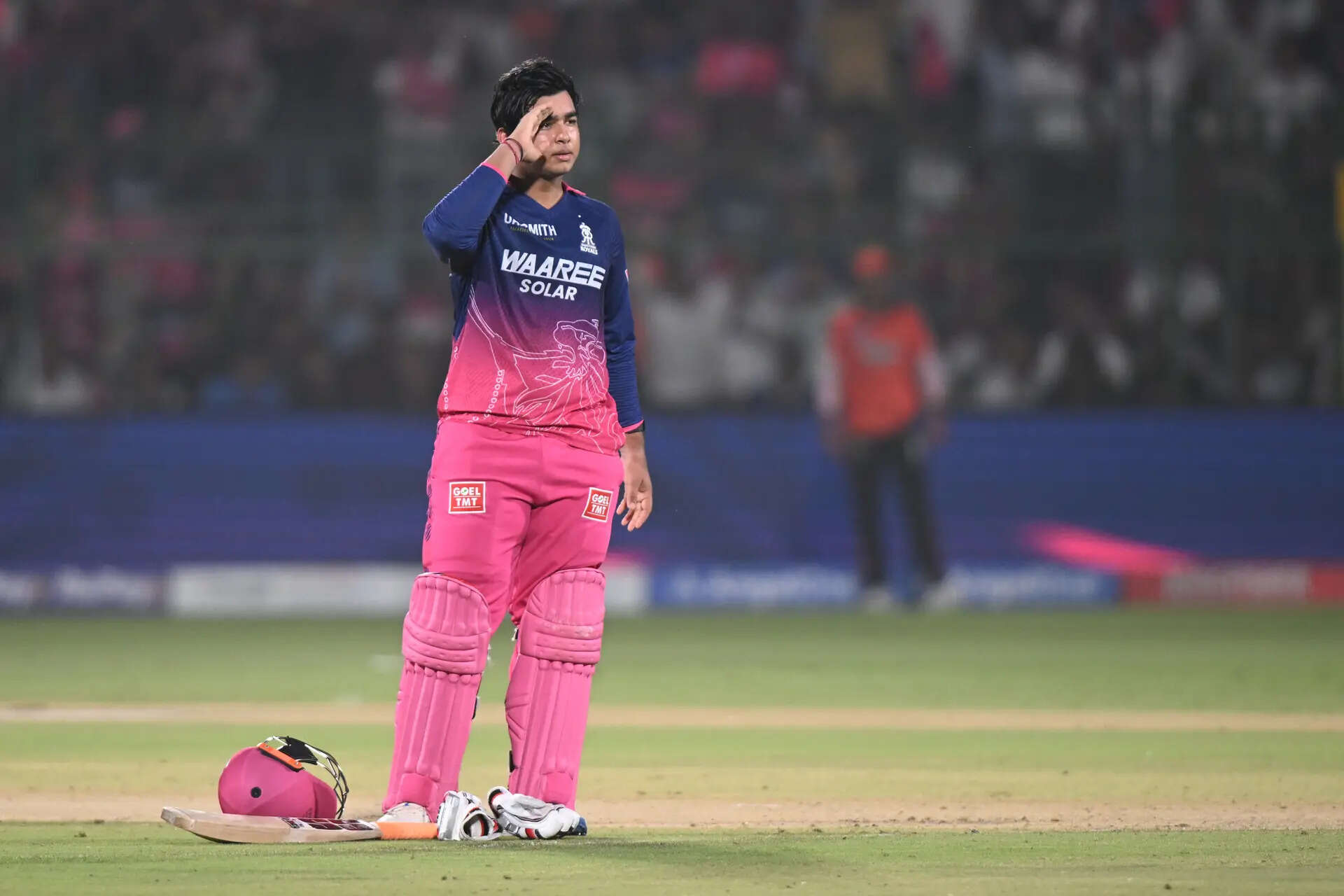
POLICY WIRE — Mumbai, India — Forget the boardroom battles, the true clash in global sports right now? It’s often between an electric surge of raw, young talent — and the long, unforgiving road to sustained greatness. Vaibhav Sooryavanshi, a mere fifteen-year-old, embodies this tension, doesn’t he? He’s exploded onto the scene in the Indian Premier League, batting like a seasoned pro—all furious strokes and disdain for reputations—yet a whisper of concern, a calculated caution, now shadows his blinding ascent.
It’s not often a teenager forces the conversation to shift from ‘how many runs?’ to ‘what does this mean for the game’s very soul?’ But Sooryavanshi’s phenomenal white-ball heroics have done just that. He’s clocked an astounding 439 runs in seven matches at an average of 62.71 in the U19 World Cup, according to ESPN Cricinfo archives—numbers that typically buy you time, trophies, and lucrative endorsements. Yet, seasoned veterans are looking past the immediate dazzle, peeking into the future’s murkier corners.
And that’s where the legendary AB de Villiers stepped in, offering a dose of reality. The former South African captain, no stranger to adapting his game across formats, didn’t hold back, but he framed it with respect for the talent. “I don’t know how he’s going to last, to be honest. At his age, the talent is incredible,” de Villiers remarked on a recent podcast, almost a lament. He questioned the long-term viability of a player exclusively molded by the frenetic demands of T20, pushing the envelope. “But I would like to see him in other formats. In Test cricket, he doesn’t yet know what he’s in for. A lot of things will change unless someone, who’s a really good manager, tells him to be a T20 specialist for the rest of his life. If that’s all he plays, it’ll be a very long and successful career.” It’s a pragmatic view, albeit a chilling one for anyone holding out for the purist’s ideal.
The numbers outside of T20 tell a different story. In first-class cricket—that grueling, multi-day grind where temperament is king—Sooryavanshi averages a modest 17.25 across twelve innings. And because, let’s be frank, quick cash talks louder than patient development these days, there’s immense pressure to double down on what works financially, immediate gratification. This isn’t just an Indian phenomenon, mind you; we see similar pressures molding careers in Pakistan’s PSL and the burgeoning T20 circuits across the Muslim world. The financial allure is intoxicating for young athletes — and their families, no doubt.
Omar Zahid, a veteran sports talent strategist who advises various regional cricket boards, shared a perspective that cuts to the bone. “The T20 model offers instant gratification, doesn’t it? But we’re seeing its corrosive effect on deeper talent pools,” Zahid mused. “A fifteen-year-old making millions? It’s seductive, but it makes them — and us — short-sighted about what truly makes a legend.” This isn’t just about cricket, it’s about the brutal realities of modern professional sports, isn’t it?
But de Villiers, despite his cautionary note, sees potential beyond the short game. “If he does start nibbling around with ODIs and, in particular, Test cricket, he will discover a whole different area of his cricket mentally and physically,” he elaborated. He’s basically saying: true growth isn’t always the path of least resistance. It’s often the roughest road that shapes character.
Sooryavanshi’s statistical footprint in the junior ranks—from his record 30 sixes in the U19 World Cup to an overall T20 strike rate above 215—marks him as generational. Yet, the policy challenge remains: how do you balance the instant, global popularity and economic engine of T20 cricket with the longer, more nuanced developmental needs of athletes, ensuring they’re not just flash-in-the-pan wonders but enduring sporting figures?
What This Means
This debate surrounding Sooryavanshi isn’t merely about one prodigious batsman; it’s a proxy war for the future of professional cricket and, indeed, youth sports development globally. The meteoric rise of T20 leagues offers immense economic opportunities for young talent, drawing them in with life-changing contracts faster than ever. Policy-makers within sports federations and government bodies, particularly in cricket-crazy nations across South Asia, face a difficult balancing act.
Do they lean into the T20 gold rush, potentially sacrificing the rich tradition and technical depth fostered by Test cricket? Or do they enforce stricter developmental pathways, potentially stymying players’ immediate financial gains and alienating franchise owners? The economic pull of IPL contracts, mirroring trends in soccer academies or basketball’s G-League, shapes not only individual careers but also national sporting identities. Countries that prioritize short-form success might find their pipelines for multi-format, adaptable athletes drying up, which could affect national team performance in varied conditions. It’s a nuanced problem, isn’t it? Because at the end of the day, someone’s gotta decide if they’re cultivating quick entertainment or enduring legends. The implications stretch beyond sport itself, touching on education, public health, and how young populations view success—a quick buck or a marathon’s reward.