

High Desert’s Dirty Secret: Albuquerque’s Air Quality Plunges, Stirring Policy Storm
POLICY WIRE — ALBUQUERQUE, N.M. — Forget the vast, unblemished cerulean skies that define the New Mexico brand—the high-desert romance of infinite horizons. Because beneath that poetic veneer,...

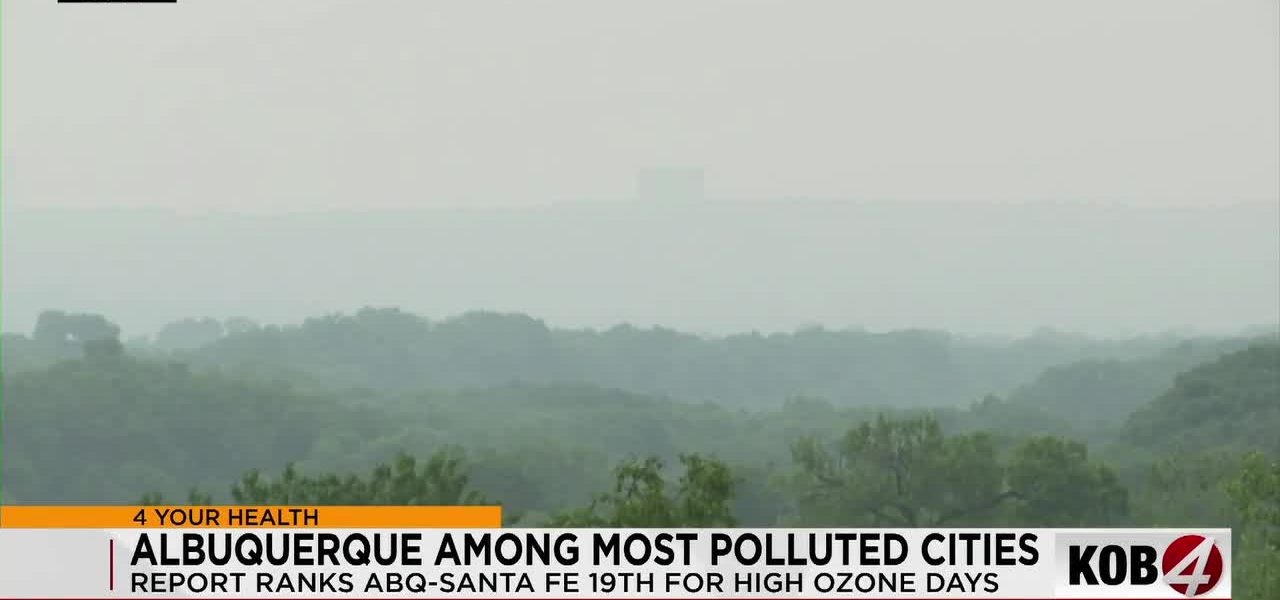
POLICY WIRE — ALBUQUERQUE, N.M. — Forget the vast, unblemished cerulean skies that define the New Mexico brand—the high-desert romance of infinite horizons. Because beneath that poetic veneer, something foul is brewing, a tangible, corrosive cloud settling over the Land of Enchantment’s most populous regions. A recent analysis, from the often-sober American Lung Association, didn’t just wag a finger at the Albuquerque-Santa Fe metropolitan area; it smacked it, hard, ranking it the 19th worst spot in the entire nation for a particularly nasty type of air pollution.
It’s not just an uptick; it’s a lurch, three positions worse than last year’s findings. You’d think the thin air might clear out the gunk, but no. The numbers tell a grim story, one of choked breathing — and uncertain futures. And it forces a jarring question: when did the Duke City’s blue become so dangerously tinged?
The culprit, primarily? Ozone. Not the helpful stratospheric kind, mind you—the one shielding us from cosmic nastiness. We’re talking about the ground-level stuff, the byproduct of vehicle emissions and industrial fumes baking under intense desert sun. It’s essentially urban grime, chemically cooked, creating a respiratory nightmare. When inhaled, it doesn’t just sting; it corrodes, irritating lungs and potentially exacerbating everything from asthma to cardiovascular issues. Joanna Strother, senior director of advocacy for the American Lung Association, doesn’t mince words. “It’s a nasty business, really. We’re talking about direct impacts on lung function, certainly, but also creeping effects like impaired cognitive development in kids. This isn’t just a sniffle; it’s a systemic attack on public health, silently grinding away at entire communities,” she warned, her voice laced with an obvious exasperation at the persistent problem.
The statistical snapshot confirms this disturbing trajectory. Bernalillo County, which anchors Albuquerque, tallied an average of 12 high ozone days between 2022 and 2024, according to the American Lung Association. That figure represents the county’s highest count since 2013 — and it’s four times what the ALA deems a passing grade. Sure, many of these were just ‘slightly unhealthy,’ as the euphemism goes. But think about it: slightly unhealthy, day after day, for hundreds of thousands? That accumulates. the metro area didn’t fare much better for particle pollution, snagging 45th-worst for short-term and 96th for annual averages—a category heavily influenced, city officials concede, by those devastating regional wildfires that now seem to be an annual fixture. Though the City of Albuquerque’s Environmental Health Department made a point of noting “the city recorded zero exceedances of the mandated standard in 2025,” suggesting a hopeful future, past performance can be a harsh prophet.
The immediate stakes? Over a million New Mexicans, including a staggering 227,000 children, now navigate a risk zone of unhealthy air, daily. But it’s not just a New Mexico problem. Lest anyone assume this is solely a Western woe, one only needs to cast an eye toward burgeoning cities across the developing world. Karachi, Pakistan, for example, frequently tops global lists for the worst air quality, where construction dust, unchecked vehicular emissions, and industrial exhaust create a permanent, choking haze that makes Albuquerque’s problem, in comparative scale, seem almost quaint. Their battle, like New Mexico’s, hinges on a delicate balance of economic growth versus environmental sanity, an equilibrium that remains elusive, to put it mildly.
📄 POLICY WIRE WHITEPAPER PUBLISHED: PAKISTAN'S NATIONAL SECURITY POLICY PRIORITIES
👉 READ BY CLICKING HEREPolicymakers, naturally, aren’t simply twiddling their thumbs, or at least they claim not to be. New rules targeting oil — and gas emissions, aimed at curbing those ozone precursors, are in place. The state’s also pushing car dealers to offer up more zero-emission vehicles, which—you’d think—could actually help. And the new Clean Transportation Fuels Program, which launched just this past April, it’s supposed to inject cleaner fuel options into the state’s circulatory system. Michelle Miano, Environmental Protection Division Director, expressed guarded optimism. “Look, we’re not blind to the numbers. They tell a tough story, sure. But these new clean transportation incentives, the precursor rules – they aren’t just window dressing. We expect them to cut through some of this atmospheric muck, and you’d better believe we’re looking hard at future reports to see those effects,” she remarked, the expectation clear in her tone.
What This Means
This escalating pollution isn’t just a public health nightmare; it’s a profound economic — and political challenge. For a state that markets itself on pristine landscapes and outdoor recreation, a top-tier pollution ranking tarnishes the brand. It raises questions about tourism, property values, and perhaps most acutely, how New Mexico manages its oil and gas sector—a significant economic driver, but also a source of these very pollutants. Political capital is at stake here; incumbent politicians will face increased pressure from health advocates, local communities, and potentially even tourism boards to deliver tangible improvements, not just promises. Failure to effectively combat this air crisis could erode public trust and divert healthcare resources to treating preventable respiratory illnesses, a double whammy for a state already navigating complex fiscal realities. Because when the very air you breathe becomes a hazard, every aspect of life eventually catches that acrid whiff.