


Diamond Diplomacy: Star Asset Becomes Pawn in MLB’s Mercenary Game
POLICY WIRE — New York, USA — Forget the home runs. Shove aside the highlight-reel catches. In the cutthroat world of American professional sports, even an athlete touched by raw, undeniable...

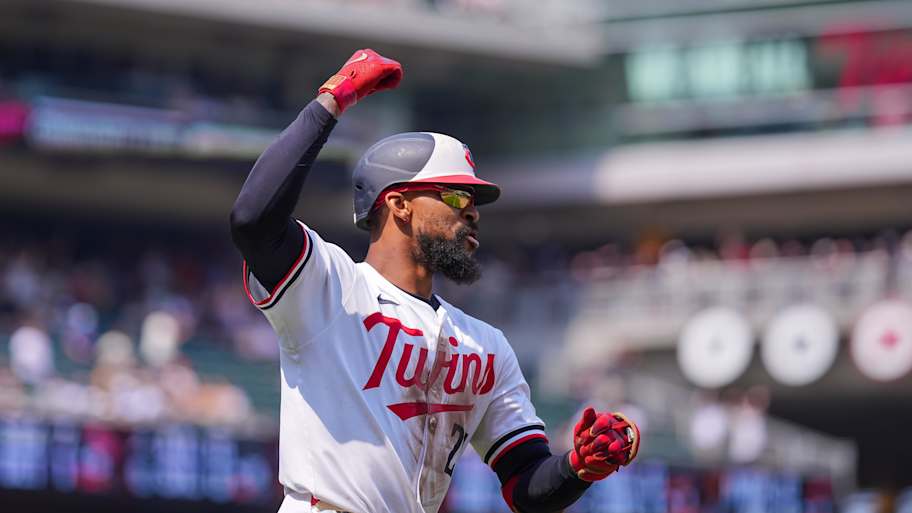
POLICY WIRE — New York, USA — Forget the home runs. Shove aside the highlight-reel catches. In the cutthroat world of American professional sports, even an athlete touched by raw, undeniable brilliance is, fundamentally, an asset. A tradeable commodity. And for Byron Buxton, a man whose physical gifts often seem drawn from some fantastical comic book, that stark reality is poised to hit harder than any fastball. He isn’t just a star chasing a championship; he’s collateral in an unforgiving ledger, caught between a franchise struggling with its own identity and another desperate to fulfill its expensive aspirations.
It’s a peculiar thing, the way these multi-million dollar institutions—ostensibly built on hometown pride and sporting purity—operate with the frosty detachment of a hedge fund. The Minnesota Twins, for all their earnest rhetoric about development, haven’t been serious contenders in ages. They sit in that purgatorial space: too good to bottom out completely, not nearly good enough to make a real October noise. And when you’re stuck in the middle, an asset like Buxton becomes less of a center fielder and more of an inconveniently priced dilemma. Because his contract, his age, — and his electric but inconsistent availability mean he’s at a valuation precipice.
And then there’s the other side of this transaction ledger: the Philadelphia Phillies. A team with deeper pockets, bigger city lights, — and an insatiable, almost rabid hunger for winning. They’ve flirted with glory, burned bright then sputtered out—enough times that the current air in South Philly carries the scent of desperation, like a gambler’s last roll of the dice. They need a jolt, a proven game-changer who doesn’t just fill a statistical box, but injects an almost tangible belief. They need someone, as one local scribe put it, ‘to simply get off the damn bus and look like they belong on a World Series roster.’
But make no mistake, this isn’t some sentimental swap. The economics are brutal. According to Forbes’ 2024 MLB valuations, the Phillies’ franchise is worth an estimated $3.2 billion, significantly outpacing the Twins’ $1.5 billion. That kind of financial disparity allows for very different approaches to personnel management, particularly when facing the harsh truth that fans will forgive losses only so long as hope for future glory remains alive—and ideally, if it’s dressed up with expensive new toys.
“Look, I play hard every day, you know? But you want to win. That’s the game. And right now, we ain’t doing enough of that,” a source close to Buxton recently recounted, reflecting a weariness with the current organizational drift. You can practically hear the clock ticking on his patience. For Philadelphia, though, the equation is simpler, starker. “Our fans demand a championship,” explained David Dombrowski, the Phillies’ President of Baseball Operations, recently telling a local radio affiliate. “We owe it to them. And if a player of Buxton’s caliber becomes available, we’d be negligent not to explore every avenue to bring that talent here.” He spoke with the quiet menace of a general charting a battle plan.
What the Phillies see isn’t just Buxton’s raw tools – the speed that turns singles into doubles, the power that can clear the deepest part of any park, the outfield defense that snatches sure extra-base hits out of the humid summer air. No, they see a catalyst. A puzzle piece that could transform a good team into a genuinely frightening one, especially given their post-April surge under Don Mattingly. They’re eyeing October, — and they don’t want to get there with half-measures. And the Twins, meanwhile, might simply shrug their shoulders and accept the hard truth: better to trade him a year too early than a day too late.
The name whispered most frequently in return? Justin Crawford. A highly-touted prospect whose potential upside makes Minnesota’s front office—staunch advocates of future-oriented talent acquisition—salivate like a prospector who’s hit pay dirt. It’s a classic exchange: immediate, championship-altering talent for high-ceiling, multi-year-away promise. It’s the engine that drives this sport, brutal — and logical in equal measure.
What This Means
This potential blockbuster speaks volumes about the deepening chasm in MLB: between franchises built to win now, irrespective of cost, and those caught in a perpetual cycle of retooling or, worse, just plain stagnation. For players, it’s a constant reminder that individual contracts, for all their zeros, tether them to an overarching economic strategy—not to hometown loyalties or even personal ambition beyond the field. It’s a chilling parallel to global capital markets, where human ingenuity and talent are constantly being re-allocated to areas of highest return, sometimes forcing migrations whether the individuals prefer it or not. We see this dynamic in nascent sporting leagues popping up in the Gulf or Southeast Asia, where local talents are either developed and bought by wealthier foreign clubs, or simply exist to elevate the general standard until bigger money calls—much like how smaller regional teams in Pakistan struggle to hold onto their brightest cricket stars once international opportunities beckon. Buxton’s fate isn’t unique; it’s a micro-snapshot of a much grander, colder, global phenomenon. The question isn’t ‘does Buxton want to move?’ but ‘how much is he worth to whom?’—a decidedly unsportsmanlike inquiry, but one that drives every major decision in baseball’s boardroom. This sort of hard-nosed decision-making is the brutal economics of baseball dreams.
Because ultimately, when the suits and the accountants finish crunching their numbers, player value trumps romantic notions of allegiance every single time. It’s the cost of doing business. And don’t we see that play out everywhere?