
Buckingham’s Ironclad Gambit: Kyiv’s Enduring Struggle and London’s Measured Pledge
POLICY WIRE — London, UK — While the cameras flash and protocol unfolds, the real theater plays out in the quiet strategic calculus behind the royal smile and the public handshake. Forget the...

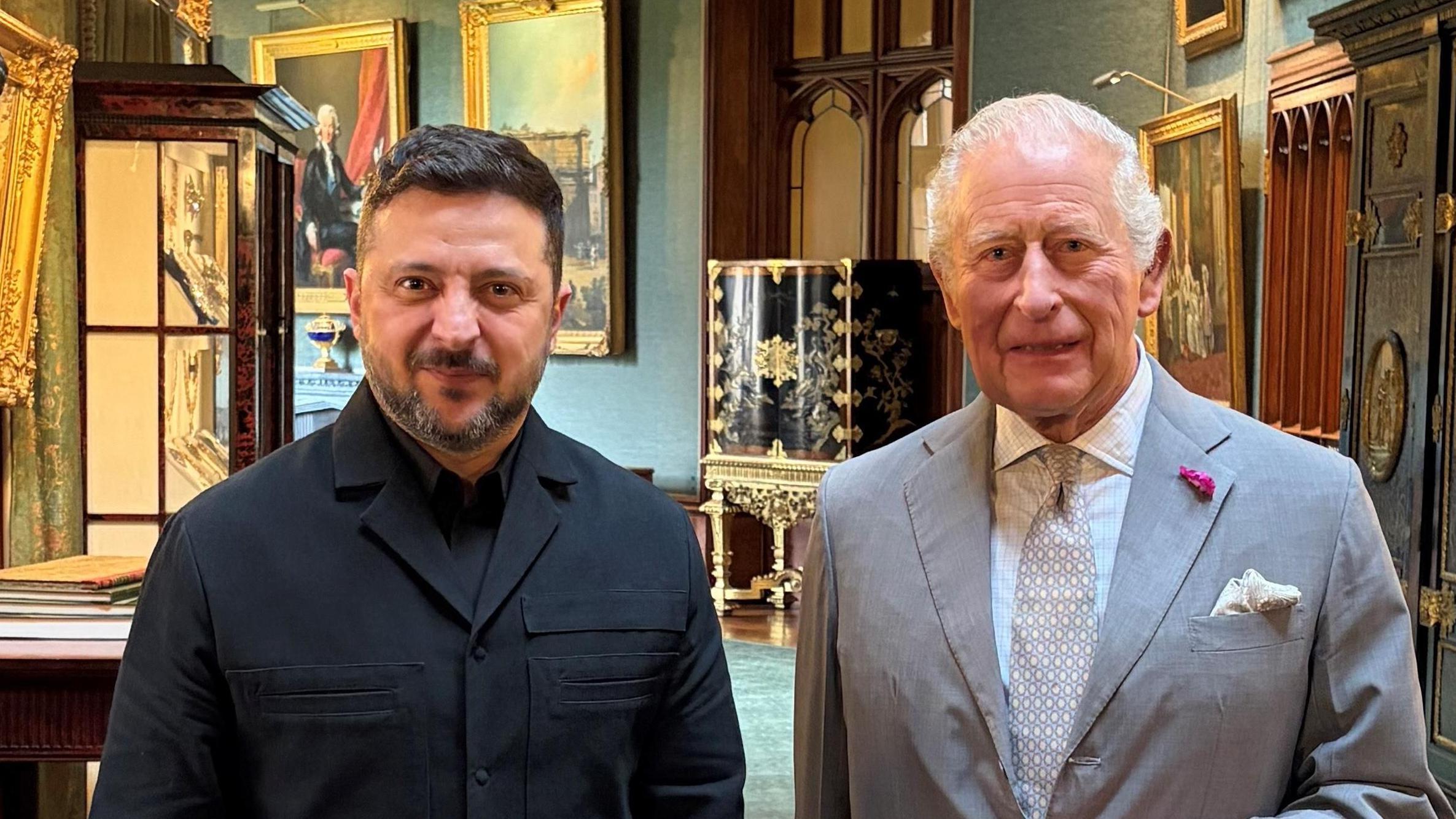
POLICY WIRE — London, UK — While the cameras flash and protocol unfolds, the real theater plays out in the quiet strategic calculus behind the royal smile and the public handshake. Forget the immediate fanfare, a monarch meets a wartime leader. This wasn’t just a pleasantry; it was another carefully choreographed affirmation of Britain’s deepening commitment to Kyiv, delivered with all the historical heft a Buckingham Palace setting can offer. For a world watching an increasingly unstable geopolitical stage, these signals—or lack thereof—tell us volumes. And this one? It practically shouted.
Ukraine’s president recently paid a visit to London, culminating in an audience with the King. This encounter, alongside high-level government meetings, isn’t simply about bolstering morale—though it certainly doesn’t hurt. It’s about securing the long game. Britain has positioned itself as one of Kyiv’s most steadfast supporters, its rhetoric consistently firm, its military aid substantial. You see it in the swiftness of weaponry deliveries—a pragmatic nod to current battlefield realities, sure, but also a calculated investment in a post-conflict European order. This kind of consistent backing often draws both allies and detractors, sketching out future battle lines long before they’re officially drawn.
But the true essence of this diplomatic dance lies not just in the hardware, but in the political capital expended. A visit of this magnitude isn’t just about showing resolve; it’s about shoring up domestic and international political will. Governments, even one as entrenched as Britain’s, can’t sustain such commitments without a steady narrative. They need the photo opportunities, the high-profile meetings, the reiteration of shared values—the stuff that keeps the public (and a certain skeptical portion of Parliament) on board. Because frankly, war efforts are expensive; they’re draining, often unpopular, and they’ve got to be constantly justified to the taxpayers picking up the bill.
Consider, for a moment, the sheer scale. According to official government figures, the UK had already committed [QUOTE_PLACEHOLDER] of its military spending to Ukraine aid by last year, making it one of the largest per-capita donors among G7 nations. That’s a serious tab, — and it implies a rather substantial belief in the outcome, doesn’t it? It isn’t merely a donation; it’s an economic investment wrapped in humanitarian drapery, shielding—they hope—broader European security interests from an expanding Russian footprint. The whole affair reminds you of older colonial engagements, where European powers, driven by a blend of economic interest and perceived moral superiority, influenced far-flung conflicts. Now, it’s just closer to home.
This particular trip saw commitments renewed, talks held on enhanced defensive capabilities, and expressions of gratitude freely offered. One could argue it was less about breakthrough announcements — and more about solidifying existing ground. Keeping the focus sharp on Ukraine, maintaining that international coalition against Moscow—that’s the current objective. And Britain, for all its post-Brexit soul-searching, still knows how to leverage its historic diplomatic reach. But they aren’t naive; these aren’t merely charitable acts. Each gesture, every aid package, it’s all part of a larger geopolitical chessboard, impacting global power dynamics in ways we’re still figuring out.
In the wider sweep of things, the UK’s robust stance inevitably plays into perceptions in other strategic regions. Consider the dynamics in South Asia, for instance. Countries like Pakistan, navigating their own complex geopolitical realities and dependencies, watch how steadfastly (or conditionally) Western powers commit to allies. There’s always an eye on who receives what level of support, who’s considered truly vital for democratic legitimacy, and how constitutional principles fare under external pressure. The consistent flow of arms and financial backing to Kyiv stands as a sharp contrast to the often-sporadic or conditional aid many developing nations receive for their own security or economic challenges. It illustrates where the immediate priorities lie—and where they don’t, often to the quiet exasperation of states wrestling with regional instabilities far from European borders.
It’s a complicated world, folks. This UK-Kyiv rapprochement is more than meets the eye. It’s a calculated gamble, — and Britain, in its seasoned wisdom, is laying its chips on the table. And they’re not shy about it.
What This Means
This high-profile engagement signals London’s firm intent to remain a key player in European security architecture, even post-Brexit. Economically, Britain’s continued, substantial aid means diverting resources from domestic programs, which carries political risks, but it simultaneously bolsters its defense industry through direct contracts and strategic alignment. The immediate impact for Kyiv is the reassurance of long-term material and diplomatic support, which is critical for sustaining its war effort and reconstruction prospects.
Politically, the visit reaffirms the narrative of a united front against Russian aggression, albeit one with varying levels of commitment among European allies. It solidifies British leadership within that coalition, potentially enhancing its soft power globally. For the broader geopolitical landscape, it implies a continuing re-prioritization of European defense, which may affect resource allocation or diplomatic focus on other global flashpoints. Buckingham’s Gambit, as some might call it, isn’t just about Ukraine; it’s about shaping a new era of British influence. These moves inherently shape the expectations and strategies of other nations, particularly those grappling with internal stability or external threats, making them carefully weigh their own alignments and policy choices.