


The Wembanyama Effect: NBA’s New Physics Engine and the Global Market Shift
POLICY WIRE — New York, USA — The roar of the crowd, the blinding flash of cameras — it all looked, sounded, and felt like any other NBA Western Conference Finals Game 1. Except, it wasn’t....

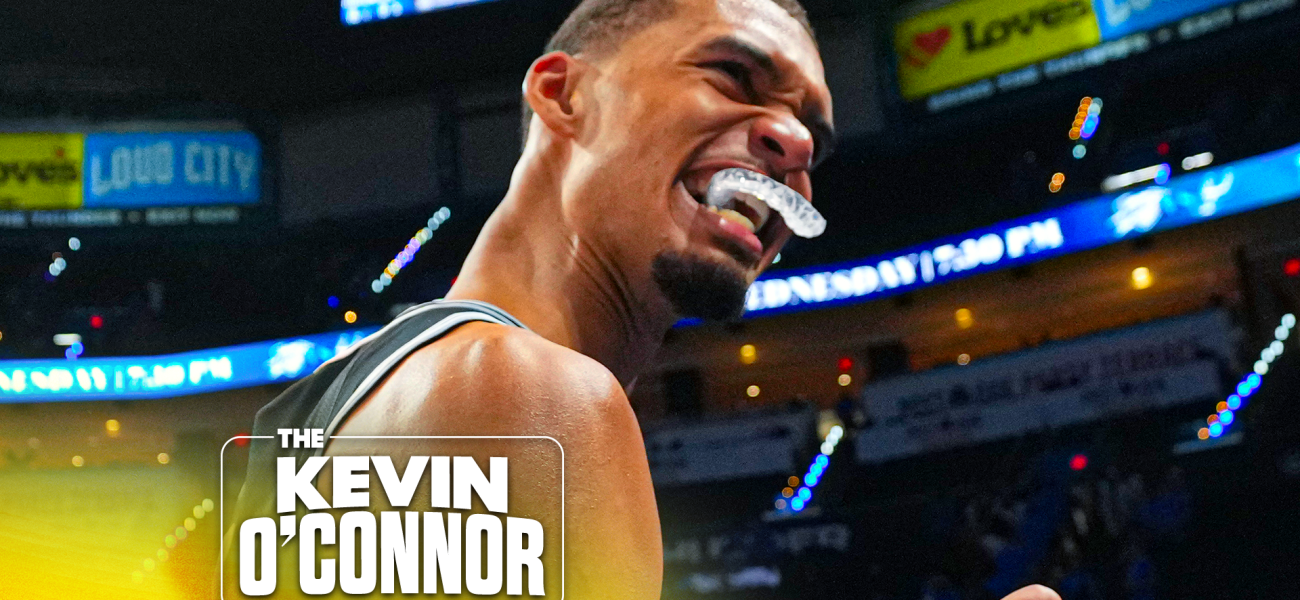
POLICY WIRE — New York, USA — The roar of the crowd, the blinding flash of cameras — it all looked, sounded, and felt like any other NBA Western Conference Finals Game 1. Except, it wasn’t. What unfurled in Oklahoma City the other night wasn’t just a win for the San Antonio Spurs, but a stark, undeniable shift in the league’s fundamental physics, personified by one improbable Frenchman. Viktor Wembanyama, or ‘Wemby’ as the zeitgeist insists, didn’t just play; he laid waste to expectations, obliterating the rulebook on what a seven-foot-four human ought to do on a basketball court.
Nobody much cares about the final score after a performance like that. Not really. What lingers, what claws at the collective consciousness of NBA executives and scouts alike, is the question of how on earth you even plan for such a creature. The Thunder, a capable — and athletic bunch, looked like they were trying to catch smoke in a sieve. It’s a challenge that, frankly, terrifies everyone who isn’t wearing a Spurs jersey.
“This kid? He’s not just a player; he’s a burgeoning multi-national corporation all by himself. His gravitational pull changes revenue streams, sponsorship deals—the whole damn chessboard,” an anonymous NBA team president quipped off the record, shaking his head. He’s not wrong. Every highlight reel, every jaw-dropping statistic (Wembanyama tallied a clean 30 points, 10 rebounds, 5 assists, and 3 blocks in just 32 minutes of play, per NBA.com stats for Game 1, 2026 Playoffs) is currency. Pure, unadulterated economic leverage for a league perpetually eyeing the next growth market.
And what about the men charged with countering him? You can practically hear the collective groan in opposing war rooms. “You spend all night watching tape, scratching your head. There isn’t a playbook for a phenomenon like that,” remarked former NBA coach — and current analyst, Jeff Van Gundy. “It’s like trying to coach against a glitch in the simulation.” He nailed it. Strategies devised over decades simply evaporate in his presence. The very idea of slowing Wembanyama seems, right now, as plausible as convincing gravity to take a day off. That’s a headache. A serious, migraines-for-the-entire-coaching-staff kind of headache.
The murmurs around the next NBA Draft? They’ve turned into full-blown existential crises. Kevin O’Connor and J. Kyle Mann on The Kevin O’Connor Show recently chewed over prospects like Dylan Dybantsa and Koa Peat, and the perennial phenom, Cameron Boozer. Are any of them ‘Wemby-stoppers’? Or just really talented kids who’ll spend their careers chasing his shadow? It’s the brutal economics of dreams for young athletes, amplified to absurd levels by Wembanyama’s meteoric rise. Because when you’re scouting for generational talent, now you’ve got to compare everyone to a guy who’s rewriting the very language of basketball. It’s unfair, really. But nobody promised life was fair.
But the ‘Wemby Effect’ reaches beyond North America’s arenas. Think about markets far from the usual basketball strongholds. The NBA, always with an eye on expansion, isn’t just selling games anymore; it’s selling superheroes. Kids in Lahore, Pakistan, or Kuala Lumpur, Malaysia, scrolling through Instagram feeds, don’t just see basketball—they see Wembanyama’s impossibly long arms swatting shots from beyond the arc, or effortlessly sinking a step-back three. And they dream. They might not have easy access to courts or coaching, but they’re watching, becoming part of that massive, global digital audience. The league knows it. This is how you cultivate a global spectacle, planting seeds for future fan bases in every corner of the planet. It’s shrewd, calculating business, wrapped up in dazzling athletic performance.
They’ve already anointed him the future of the league. And that’s usually the kiss of death. But with Wemby, you just get the distinct impression he hasn’t even begun to show us what’s truly possible.
What This Means
Wembanyama’s ascendancy, showcased with such stark clarity in Game 1, isn’t just about athletic achievement; it’s a powerful economic and strategic inflection point for the NBA. Economically, he’s an instantaneous global brand, capable of single-handedly driving viewership and merchandising revenue in markets the league has been trying to penetrate for decades. His unique skill set creates an urgent, almost desperate, need for rival teams to re-evaluate their entire roster construction philosophies, from draft strategies to free agency pursuits. It’s a seismic event that destabilizes existing power structures — and forces rapid adaptation. Strategically, his existence compresses the timelines for prospect development, putting immense pressure on general managers to identify future counters or, failing that, to develop truly unique talent of their own. It also elevates the narrative stakes for every other aspiring player, setting a near-impossible bar for ‘generational talent.’ For the league’s global ambitions, Wembanyama is pure rocket fuel, translating astounding athleticism into tangible market growth, from Manila to Manchester, Karachi to Kingston. It’s a very public, very lucrative reimagining of professional basketball.