

United Air Steers Clear of Merger Mania, Eyes Strategic Snips Instead
POLICY WIRE — Chicago, U.S. — Wall Street’s incessant thirst for industry consolidation often gets a cold splash of reality, particularly when behemoths consider tangoing. United Airlines, one of the...

POLICY WIRE — Chicago, U.S. — Wall Street’s incessant thirst for industry consolidation often gets a cold splash of reality, particularly when behemoths consider tangoing. United Airlines, one of the three titans of American air travel, it seems, has decided the dance floor for mega-mergers just isn’t worth the entry fee. That’s the word, or something very close to it, from CEO Scott Kirby, who’s all but declared any grand unification — say, with rival American Airlines — as dead in the water, at least for now. But don’t mistake that for stagnation; they’re definitely still in the market for choice morsels, little bites here and there.
It’s not for lack of trying, mind you. Airlines have a storied, — and often troubled, history with mergers. We’ve seen enough failed courtships — and regulatory nightmares to fill a hangar. Kirby’s pronouncement isn’t exactly groundbreaking — American’s previous rebuff made that fairly clear to anyone paying attention. Yet, the emphasis on asset purchases – a gate here, a plane there, maybe some coveted slots at a cramped airfield – over a full-blown corporate wedding speaks volumes about the current climate. It’s a calculated sidestep, one that navigates both antitrust scrutiny and the often-intractable challenge of integrating two massive, disparate corporate cultures. Because, let’s be honest, merging two airlines is less like blending butter and more like trying to force two tectonic plates together without a tremor.
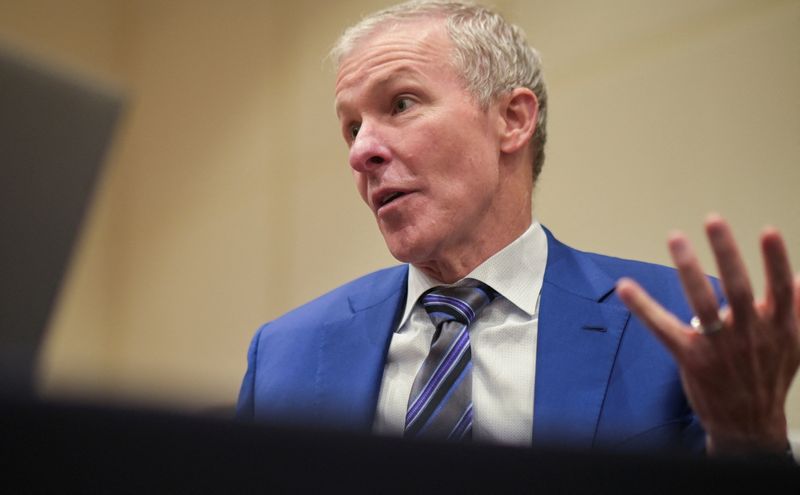
“You know, the antitrust folks, bless their hearts, they really don’t like big weddings in this industry,” Kirby quipped to a small group of reporters, his usual blend of candor and dry wit on full display. “We’ve looked at the landscape, the regulatory pushback we’ve seen on similar ideas in the past, and frankly, the juice isn’t worth the squeeze for a whole-airline merger. It just isn’t going to happen with the big players. What we’re interested in is smart, surgical growth – bolt-on acquisitions that genuinely enhance our network without inviting a decade of litigation.” It’s a shrewd assessment, suggesting a firm grasp on the regulatory pulse — a skill many business leaders could benefit from, as demonstrated by other sectors finding themselves tangled in bureaucratic knots, especially concerning national and international legal process and competition law.
This strategy also hints at a broader industry trend: the slow, incremental carve-up of capacity. Instead of swallowing a competitor whole, United is effectively saying they’ll just pick the choicest parts off the plate as they become available. It keeps them nimble. It keeps them competitive. And, importantly for investors, it keeps the share price from getting hammered by merger integration risks. And why not? History, after all, has shown that roughly 70-90% of mergers fail to achieve their financial or strategic objectives, according to various studies over the decades by firms like McKinsey & Company. So, perhaps United’s management is simply learning from a rather expensive industry playbook.
Consider the international implications of this micro-acquisition approach. While domestic mega-mergers might be off the table, the strategic purchase of assets, such as specific aircraft types or route authorities, could still profoundly reshape global connectivity. For instance, acquiring an airline’s stake in certain long-haul jets or its departure slots at key global hubs – perhaps those facilitating access to burgeoning markets in South Asia, like Pakistan – presents a less controversial path to expansion. This subtle game of chess allows U.S. carriers to enhance their presence in regions where they often compete with state-subsidized carriers from the Gulf. They’re trying to outmaneuver rivals without provoking outright trade disputes. You don’t get the same kind of headline-grabbing buzz, but you certainly get results.
The impact of this approach is more subtle, but far-reaching. It’s not just about routes; it’s about control over pricing, network density, and even the type of service offered to diverse passenger groups — including the significant diaspora populations that connect the U.S. to countries like Pakistan and India. But, for consumers, this strategy means less dramatic consolidation, and maybe, just maybe, a sliver more competition down the line.
What This Means
This calculated retreat from grand, transformative mergers in favor of targeted asset accumulation carries significant economic and political weight. Economically, it suggests a maturity in the U.S. airline industry where the low-hanging fruit of massive cost-synergies has largely been picked clean. What’s left are highly scrutinized, capital-intensive maneuvers with uncertain returns. United’s move isn’t just about avoiding a bruising regulatory battle; it’s an acknowledgement that the complexities of integration can destroy more value than they create. It also sets a precedent for other established players — less shock, more steady, methodical growth. Politically, this signals an acceptance of current antitrust realities in Washington. Regulators have sharpened their teeth on prior airline attempts at consolidation, making it clear they won’t simply wave through deals that further restrict an already oligopolistic market. Bold policy experiments aren’t limited to government; corporate America makes them too. Expect competitors to follow suit, focusing on niche acquisitions and organic expansion to skirt the long arm of government oversight while still trying to snag market share. This might not be the romantic tale of two airlines becoming one, but it’s certainly a pragmatic one in a tough economic and regulatory environment.
“We’re beyond the era of ‘bigger is always better’ in aviation; it’s now about ‘smarter is better’,” observed aviation policy analyst Dr. Lena Hussain, based out of Dubai, emphasizing the subtle shifts in global strategy. “This pivot reflects a realism about market constraints and — let’s not forget — the power of a relatively smaller asset buy to deliver substantial strategic advantages without the systemic risks that spook both regulators and shareholders. It’s about securing market access in high-value corridors without betting the farm.” This approach could very well become the playbook for airlines in the coming decade, a quieter, more incremental reshaping of the skies.