

Mixology or Metaphor? New Mexico’s Craft Cocktails Hint at Shifting Consumer Appetites and Global Economic Rifts
POLICY WIRE — ALBUQUERQUE, N.M. — In an era often characterized by political rancor and geopolitical volatility, what can a Pimm’s Cup tell us about the state of global affairs? Not much,...

POLICY WIRE — ALBUQUERQUE, N.M. — In an era often characterized by political rancor and geopolitical volatility, what can a Pimm’s Cup tell us about the state of global affairs? Not much, perhaps, directly. But take a closer look at the modest announcement concerning a New Mexico winery now offering artisanal beverage instruction, and you begin to discern faint outlines of deeper economic currents and the ever-widening chasm of consumer experience, both domestically and across hemispheres.
It’s not just about learning to shake a perfect martini. It’s about the market for niche luxury experiences. For a limited number of affluent or aspiring-affluent individuals in Santa Fe and Albuquerque, Vara Winery and Distillery is offering that with their Vara Cocktail Lab. And for $45 per person, this isn’t pocket change, especially when you consider it for a mere ninety-minute session.
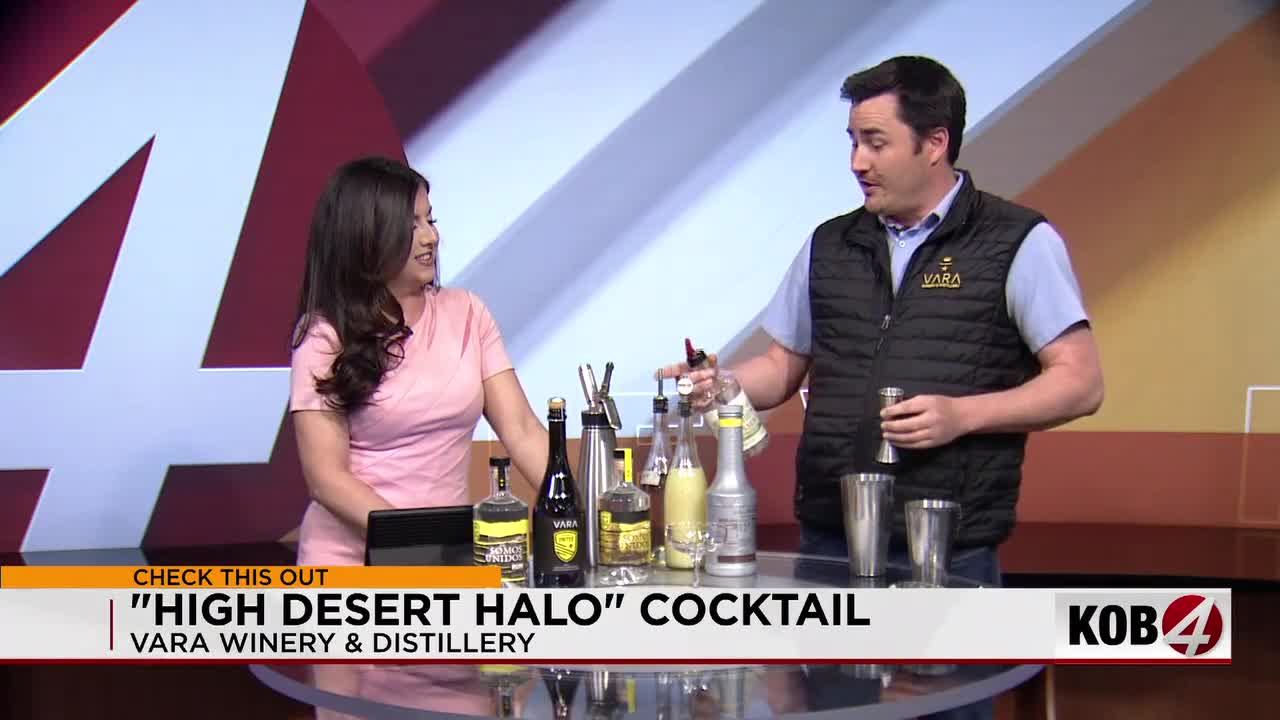
The details are crisp, almost Spartan, outlining what’s available for those inclined to participate: Each class is from 6-7:30 p.m., catering squarely to the post-work, pre-dinner leisure set. Each class is limited to 10 guests. That’s an intimate setting, designed no doubt for maximum engagement—or perhaps just a higher per-head profit margin given the exclusive access. John Murray, the Vara CEO, went on public broadcast to give a taste of the class, showing viewers how its done and, no doubt, whetting a few appetites along the way. But this isn’t merely about a winery diversifying; it’s a micro-snapshot of a macro-trend.
Consider the growth in the U.S. market for distilled spirits. It’s been robust. According to data from the Distilled Spirits Council of the United States (DISCUS), supplier revenues for spirits in the U.S. hit an estimated $37.5 billion in 2023, reflecting years of sustained expansion in the premium and super-premium segments. Folks aren’t just drinking; they’re investing in the ritual, the craft, the narrative. And companies like Vara are smartly tapping into that, creating an economy of experiences rather than just commodities. They’re selling a story, a skill, — and an evening out.
But the focus here, really, is what this sort of activity represents. It speaks to discretionary income and a segment of the population that’s actively seeking enrichment outside of basic needs. And here’s where the perspective sharpens, especially when you pivot globally.
Imagine, for a moment, juxtaposing this convivial scene in New Mexico with the economic realities faced by millions across the Muslim world—say, in Pakistan. While Albuquerque locals hone their mixology, families in Karachi struggle with inflationary pressures that push basic food items out of reach. While an American CEO demonstrates the fine art of a [QUOTE_PLACEHOLDER] for a select few, entrepreneurs in Lahore navigate inconsistent power grids and prohibitive import duties, simply trying to keep a manufacturing business afloat. It’s a jarring contrast, a stark illustration of global inequality painted not in grand political strokes, but in the minutiae of everyday life.
There’s a subtle irony in the pursuit of sophisticated leisure in one corner of the world, while another grapples with economic stability, resource scarcity, and political uncertainty. This isn’t to say one is more righteous than the other. But it does beg the question of resource allocation—where capital flows, what innovations get funded, and which forms of expertise are valued. The Vara Cocktail Lab, while an ingenious local business move, implicitly highlights the kind of societal affluence that allows such pursuits to flourish—an affluence often divorced from the pressing socio-economic concerns dominating headlines from Islamabad to Gaza.
What This Means
This localized embrace of experiential consumerism isn’t isolated. It’s part of a broader, Western economic trend where services and ‘how-to’ lessons—from pottery classes to coding bootcamps—are commanding significant market share. Because folks have less tangible goods, perhaps, they’re investing more in ephemeral moments and personal skill development. It’s a diversification of capitalism, if you will, moving beyond simply producing and consuming items to facilitating knowledge transfer and curated experiences. For policy wonks, it signifies robust consumer confidence among specific demographics and a continued shift towards a service-heavy economy.
From a global standpoint, this trend underscores the dramatic differences in economic maturation and societal priorities. Regions like Pakistan, while having burgeoning middle classes with increasing consumer appetites, often still prioritize foundational economic stability and industrial growth over such high-end recreational pursuits. It’s a reminder that global markets, despite interconnectedness, operate on wildly different playing fields. The capital and attention invested in developing a sophisticated craft beverage market in New Mexico are luxuries, born of relative stability, that much of the world simply can’t afford, or shouldn’t, given more immediate needs. This sort of small-scale entrepreneurial initiative, thriving on personal indulgence, offers a stark mirror to economies still striving for fundamental uplift.