


Cleveland’s Playoff Predicament: When Narrative Crumbles Faster Than the Box Score
POLICY WIRE — Cleveland, United States — It isn’t just another NBA playoff series when the city’s civic pride hangs by a frayed thread, woven mostly from three-pointers that aren’t dropping....

POLICY WIRE — Cleveland, United States — It isn’t just another NBA playoff series when the city’s civic pride hangs by a frayed thread, woven mostly from three-pointers that aren’t dropping. Because in Cleveland, what unfolds on the hardwood isn’t merely sport; it’s an economic indicator, a psychological barometer, and a mirror reflecting the broader anxieties of a region fighting for relevance. The Cleveland Cavaliers, two games down to the New York Knicks in the Eastern Conference Finals, find themselves not just on the brink of elimination, but in the merciless glare of public performance anxiety. And it’s a brutal show.
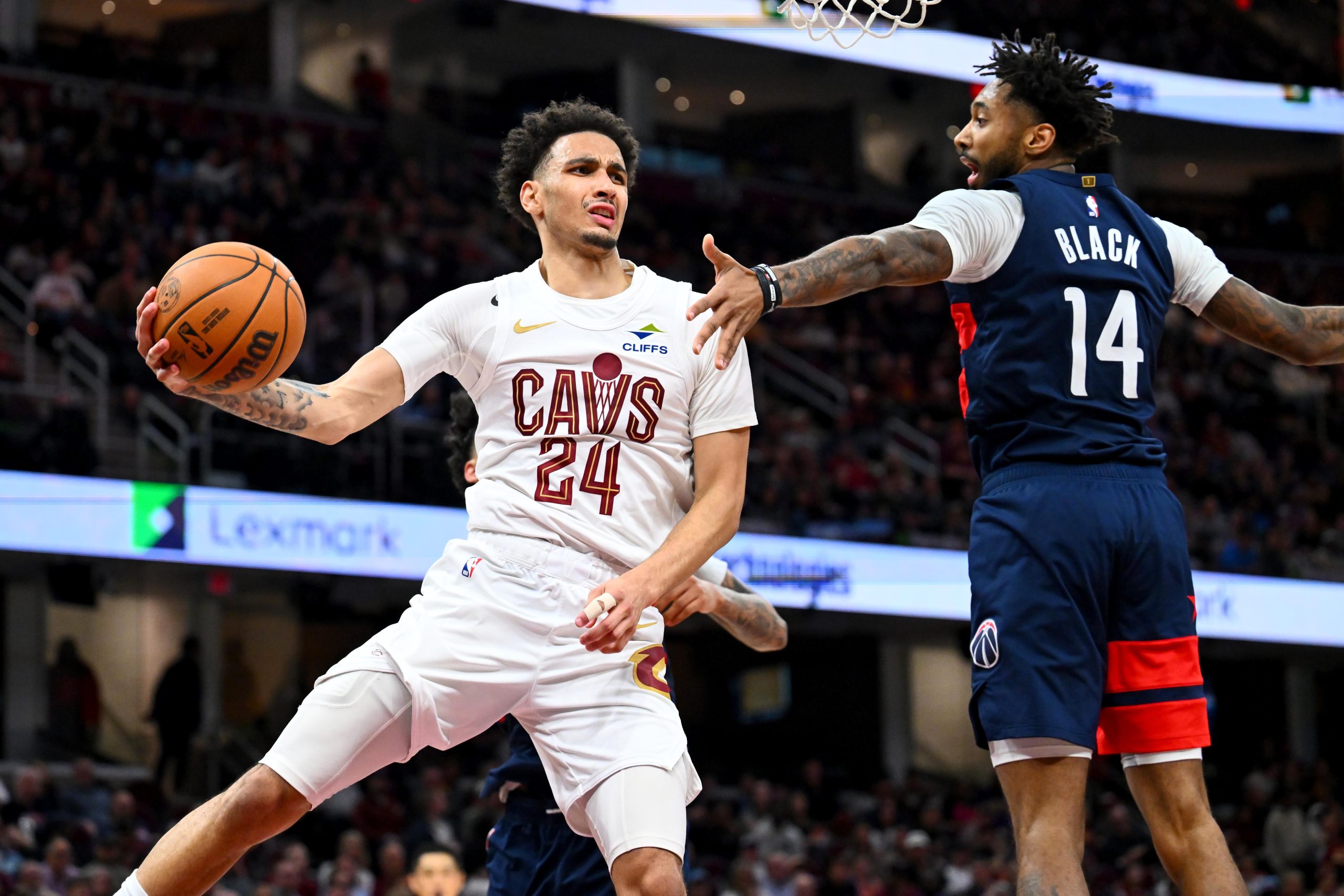
Forget the clean box scores — and the sanitized press releases. The truth seeping through the locker room corridors and into the city’s blue-collar pubs smells suspiciously like impending defeat. A game isn’t just lost; a narrative gets bulldozed. While young Tyrese Proctor managed a fleeting minute on the floor against the Knicks—his existence on the stat sheet effectively a phantom limb—the larger picture paints a vivid, heartbreaking portrait of an established roster failing spectacularly when the stakes are at their gnarliest. One could almost feel sorry for the kid, thrown into the maelstrom for a ceremonial sip of a losing proposition.
“Look, nobody wants to lose. Especially not like this,” Cavaliers star guard Donovan Mitchell told reporters, a subtle clenching of his jaw betraying the stoic athlete façade after their latest drubbing. “But we’re professionals. We’ve gotta look inward, quick, before it’s too late.” A quote both entirely predictable and wholly insufficient to quell the mounting dread among the loyalists in the stands (or glued to their screens). And his German counterpart, Dennis Schroder, finding himself subject to social media’s particular brand of digital purgatory for an ill-timed Instagram post, offered a curt, “It’s about focus, not the noise. We still have games to play.”
Such proclamations often ring hollow when a team’s public persona is already being carved up like a Thanksgiving turkey. They’ve effectively landed in a full-blown crisis, where the immediate impact is measured in basketball lore, but the underlying tremors run much deeper. Consider this: A deep playoff run for the Cavaliers was projected to inject upwards of $15-20 million into the local Cleveland economy through ticket sales, hospitality, and related consumer spending, according to a recent analysis by the Greater Cleveland Partnership. The abrupt halt of such prospects doesn’t just disappoint; it puts a dent in real local business ledgers.
It’s this very entanglement of sport and society that holds global audiences captive, from the hyper-local fervour in the American Rust Belt to the burgeoning fanbases thousands of miles away. But the spectacle isn’t confined to these shores. In burgeoning basketball markets like Pakistan, where NBA games are increasingly accessible, the emotional arc of an American franchise—its triumphs and, especially, its dramatic failures—becomes part of a universal language. The hope and despair, the heroics and the breakdowns, resonate across cultures, bridging continents with the simple truth of competition. It offers a kind of mirror to broader sporting quandaries and the high stakes of public spectacle, a sentiment not dissimilar to the passion seen for cricket from Karachi to Lahore.
But the raw, unvarnished reality for the Cavs right now is Madison Square Garden becoming their private Gethsemane. The Knicks aren’t just winning; they’re stripping away the illusion of their opponent’s strength, one brutal basket at a time. This isn’t a gentle unraveling; it’s an aggressive tearing. And the league? It’s a business built on drama. Commissioner Adam Silver, ever the diplomat, might publicly praise competitive balance and fan engagement, but privately, he’s probably relishing the viewership numbers generated by a compelling narrative—even if it’s one of a team’s collapse. Just like an economic forecast that shifts rapidly, the perception of teams—and entire cities—can change overnight based on wins and losses. And for Cleveland, the forecast right now is looking mighty bleak.
What This Means
This playoff debacle isn’t just about a team losing games; it’s a profound study in how perceived weakness can propagate—both on the court and off it. Economically, the early exit means a significant portion of that projected local revenue dissipates into thin air. Small businesses around Rocket Mortgage FieldHouse that thrive during extended playoff runs are already counting losses. Politically, the morale hit is real; civic leaders often ride the wave of sports success for positive public sentiment and renewed interest in the city. The failure here can temper enthusiasm, even if subtly, impacting everything from tourism pitches to efforts to attract new residents. What’s more, the social media feeding frenzy surrounding the players underscores a modern phenomenon: the instantaneous global judgment and performance pressure on public figures. It transforms athletes into unwitting barometers of urban ambition — and collective spirit. These narratives of triumph or despair resonate, whether it’s a team in Cleveland or the fluctuating economic stability in an emerging market, as discussions around macro-economic debates often do. The Cavaliers’ struggle then, isn’t just about championship aspirations, it’s about the tangible and intangible costs of public performance under excruciating scrutiny.