

The Silent Siege: Drug Gangs Weaponize Vulnerability in UK Homes
POLICY WIRE — London, UK — Imagine waking up to find your safe haven—your very home—transformed into a frontline outpost for a criminal enterprise. Not with a forced entry, necessarily, but with a...

POLICY WIRE — London, UK — Imagine waking up to find your safe haven—your very home—transformed into a frontline outpost for a criminal enterprise. Not with a forced entry, necessarily, but with a creeping invasion, preying on kindness, addiction, or infirmity. It’s a particularly British horror, this domestic colonization, known colloquially as ‘cuckooing.’ It’s not a tale from some distant, anarchic land. It’s happening right here, right now, leaving shattered lives in its wake, thousands of times a year.
It starts innocently enough, sometimes. A knocked door, a friendly face, a request for a phone charge. Or it might be the loan of a tenner, a shared cigarette, a false promise of friendship to someone isolated and struggling. But what follows is anything but neighborly. What happens is a subtle yet terrifying displacement. A gang moves in, uses the property as a base for drug dealing, often involving children as couriers (the ‘County Lines’ model), and transforms a personal sanctuary into a den of despair.
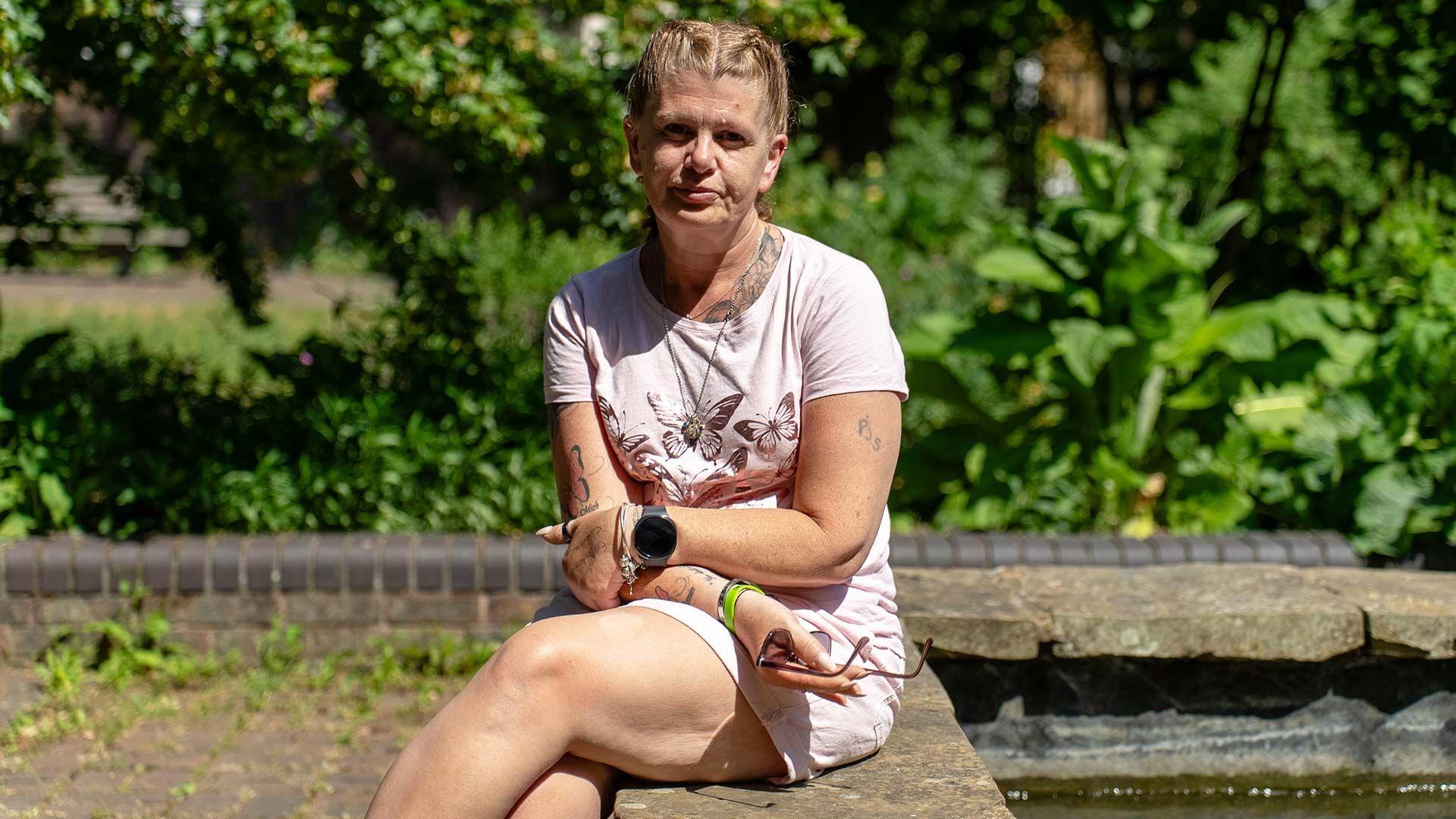
Police are ringing alarm bells, loud — and clear. They’re telling anyone who’ll listen that hundreds of homes become occupied by drug gangs each and every week across the UK. Think about that for a second. That’s not a one-off anomaly. That’s an industrial scale of exploitation. That’s a nationwide affliction that goes far beyond just drug busts; it’s about a direct assault on the concept of home security and personal autonomy for the most fragile amongst us. And it’s brutal. One victim’s harrowing account echoes through the official reports: [QUOTE_PLACEHOLDER]. Not quite the domestic bliss one hopes for, is it?
These predators seek out specific targets. Older folks, individuals battling substance dependency, those with mental health issues—anyone whose ability to resist, or even effectively report, might be compromised. The coercion can be psychological, economic, or, yes, intensely physical. Victims find themselves held prisoner, effectively, in their own spaces, their dignity systematically stripped away. Their homes become transit hubs for illicit narcotics, often heroin and crack cocaine, funneled from urban centers into rural towns via those infamous ‘County Lines’ networks.
And because these gangs are ruthless, they don’t just kick people out. They isolate them further. Family visits become difficult. Neighbors become suspicious. It’s a vicious cycle that plunges victims into deeper spirals of fear and dependency, a situation eerily reminiscent of the desperate circumstances often faced by marginalized communities globally. For instance, in parts of South Asia, the illicit drug trade, fueled by both internal demand and transnational routes (often crossing through Pakistan’s border regions), also weaponizes poverty and systemic neglect, turning individuals and even entire localities into unwilling cogs in a dark machinery. The motivations differ, but the exploitation of vulnerability sure doesn’t.
The Metropolitan Police, for example, report a staggering figure: an estimated 10,000 cases of cuckooing occurring in London alone between March 2021 and March 2022, according to data obtained by a BBC investigation. That’s just one city. That’s just one year. This isn’t just about street corners — and alleyways. This is about your next-door neighbor’s spare room becoming a hub for serious organized crime, all while they, perhaps, sit silently, terrified, behind a locked bedroom door or confined to a single chair.
Because law enforcement, despite their best efforts, often arrives too late. The transient nature of these operations means police are often playing a continuous game of whack-a-mole. By the time authorities intervene, the damage—to the individual, to the property, to the fabric of the community—is already substantial. It’s not simply a matter of clearing a squat. It’s about dismantling deeply entrenched exploitative relationships.
We’re talking about properties often owned by social housing providers or local councils, adding another layer of complexity. The damage can run into thousands of pounds, requiring extensive clean-up and repair before a new, often equally vulnerable, tenant can move in. It’s an issue with economic repercussions, naturally, but also a corrosive impact on the social contract, undermining trust in local institutions.
This problem isn’t contained to specific urban areas, either. No, it’s a plague that has metastasized, affecting every corner of the UK, from sleepy market towns to sprawling metropolitan areas. And it speaks volumes about the systemic failures that allow such blatant abuse to thrive unchecked.
What This Means
The relentless march of cuckooing represents more than just a crime wave; it signals a profound erosion of societal protections for its weakest members. Economically, this isn’t simply lost rent or property damage, though those costs are considerable. It’s the hidden burden on public services: increased demand on social workers, mental health professionals, and emergency housing. It drains resources that are already stretched thinner than political goodwill. Politically, the scale of this problem—hundreds of homes weekly—suggests that current strategies aren’t sufficiently preemptive or comprehensive. There’s a disconnect between policy directives — and street-level reality. The political implications extend to how governments address systemic vulnerability—housing insecurity, substance abuse support, mental health services—which are the very cracks these criminal networks exploit. Without a robust and fully funded welfare net, these vulnerabilities will persist, and with them, the lucrative opportunities for those who profit from human suffering. The rise of County Lines and its offshoots, including cuckooing, also mirrors the globalization of organized crime, showing how seemingly local issues are intertwined with international drug markets. It reminds us that whether it’s an Afghan opium field or a London high-rise, the predatory logic of illicit enterprise remains tragically consistent. It forces a grim question: how much societal breakdown can we tolerate before our very foundations begin to fray? We can’t just sweep these things under the rug; the mess keeps piling up.