

Beyond the Touchdown: UNM’s Spring Game Unmasks Collegiate Athletics’ Precarious Economy
POLICY WIRE — Albuquerque, N.M. — The outcome, a slender 17-14 victory for Team Silver over Cherry, was perhaps the least consequential aspect of the University of New Mexico’s annual spring football...

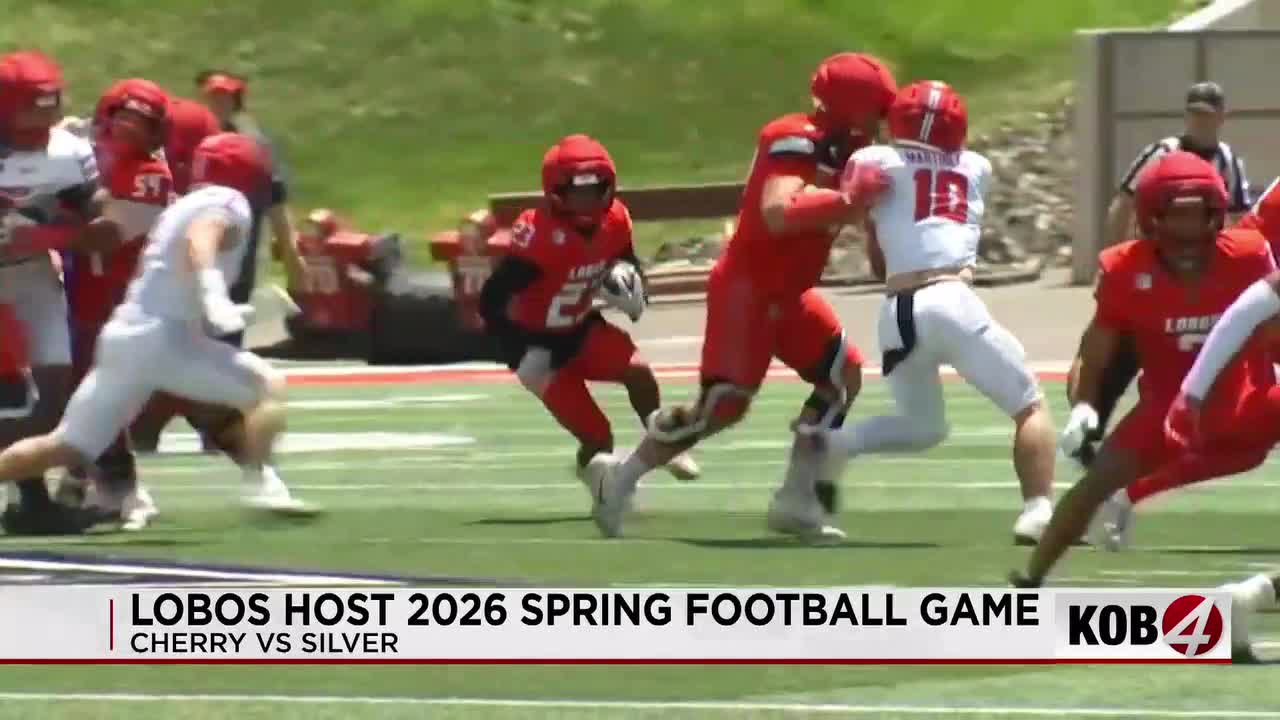
POLICY WIRE — Albuquerque, N.M. — The outcome, a slender 17-14 victory for Team Silver over Cherry, was perhaps the least consequential aspect of the University of New Mexico’s annual spring football scrimmage. Far from a mere athletic contest, Saturday’s ceremonial clash at University Stadium served instead as a stark, albeit brightly lit, tableau of the intricate economic currents now defining—and often complicating—the landscape of collegiate athletics. It wasn’t just about who scored; it was about the silent ledger, the implied value, and the perpetual institutional balancing act.
Beneath the relatively modest fanfare—and the inevitable absences of several veteran players, a common feature in an era of fluid rosters and strategic injury management—emergent talents vied for attention. But their athleticism, however compelling, played a supporting role to a larger narrative: the relentless commercialization of amateur sport and its uneasy entanglement with public education mandates. This isn’t the amateur hour it once was; it’s a sophisticated, often brutal, marketplace.
And what a market it’s become. Athletic departments, particularly outside the rarefied air of the Power Five conferences, find themselves perpetually navigating a budgetary tightrope. Student fees, state appropriations, and donor largesse form the foundational planks, but the accelerating costs of facilities, coaching salaries, and now Name, Image, and Likeness (NIL) deals demand ever more creative, and sometimes precarious, financial engineering. It’s a Sisyphean task, keeping pace with an arms race that never truly ends.
“This isn’t just about a score; it’s about galvanizing a community, showcasing our emergent talent, and reminding folks that Lobos football remains a potent symbol of state pride,” shot back Marcus Thorne, UNM Athletic Director, in a recent policy briefing. “We’re building for something bigger, you see—a brand, an identity, an engine for local engagement.” His optimism, however, often bumps up against the fiscal realities confronting state institutions.
Still, the stakes are undeniably high. Collegiate sports are no longer merely extracurriculars; they’re billion-dollar industries, albeit ones often structured with a veneer of educational mission. According to a 2023 financial impact study by the National Collegiate Athletic Association (NCAA), Division I athletic departments collectively generated over $16 billion in revenue. However, a significant portion of this, particularly for Group of Five conferences like UNM’s Mountain West, remains heavily reliant on institutional subsidies and student fees—funds often diverted from academic pursuits.
Behind the headlines of athletic prowess lies a deeper policy dilemma. Universities, particularly state-funded ones, face pressure to demonstrate value for taxpayer money while simultaneously competing in a high-spending sports ecosystem. This tension is keenly felt, especially in states like New Mexico, where resources are often stretched thin by other pressing concerns—from infrastructure needs to persistent socio-economic disparities. The annual struggles with wildfires, for example, command significant state attention and resources, inadvertently highlighting the divergent priorities within public expenditure.
“These athletic spectacles, while engaging, often mask the profound fiscal anxieties underpinning our state’s higher education system,” observed Dr. Lena Khan, Professor of Public Policy at the University of New Mexico. “Every dollar spent, every scholarship offered, ultimately reflects a policy choice—one with far-reaching consequences beyond the gridiron, impacting everything from faculty salaries to international student recruitment.” Indeed, universities like UNM actively court students from across the globe, including a robust contingent from South Asia and the Muslim world, whose tuition dollars represent a vital, often underestimated, revenue stream complementing the public funding and athletic revenues. It’s an intricate web, isn’t it?
What This Means
The seemingly innocuous spring football game at UNM isn’t merely a practice session; it’s a microcosm of the profound shifts occurring across American higher education. Firstly, it underscores the increasing pressure on non-Power Five athletic programs to maintain relevance and competitiveness in a rapidly professionalizing landscape without the same financial muscle. The “opt-out” of key players from such events—whether for injury precaution, transfer portal considerations, or even NIL negotiations—hints at a player-centric model gaining traction, fundamentally altering team dynamics and loyalty.
Secondly, the reliance on university subsidies to bolster athletic budgets brings into sharp focus the allocation of public funds. Is the state’s investment in a competitive football program yielding appropriate returns, not just in terms of wins, but in broader university enrollment, brand recognition, and economic impact? Policymakers are increasingly asking these questions, particularly as budgets tighten and demands for accountability grow. This game, for all its local charm, is a signal of a much larger, nationally debated policy question: what exactly is the role of big-time sports in public universities, and at what cost?
Finally, it highlights the global interconnectedness of even seemingly local institutions. University finances aren’t solely dependent on local demographics or state taxes; they’re influenced by international student enrollments, global economic trends, and the worldwide perception of American higher education. So, while the immediate focus was on a few yards gained or a timely interception, the broader lens reveals a complex interplay of finance, policy, and global outreach, all converging on a Saturday afternoon in Albuquerque.