

Kabul’s Call: The Perilous Lure of Home for Afghans Stranded in Qatar’s Limbo
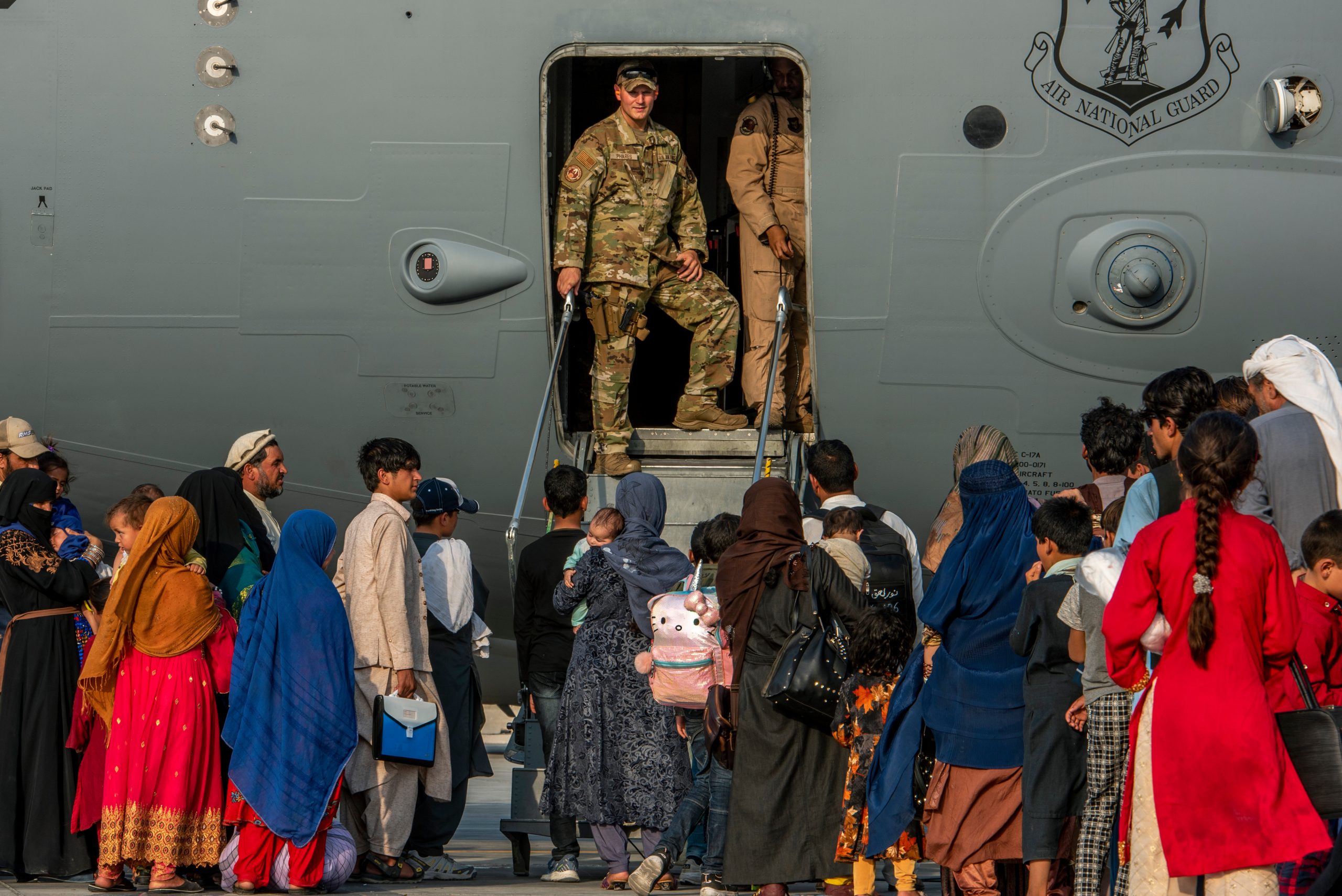
POLICY WIRE — Doha, Qatar — The desert sun bakes the temporary shelters, a silent crucible for thousands of Afghans whose lives, once inextricably linked to the American presence, now hang suspended...

POLICY WIRE — Doha, Qatar — The desert sun bakes the temporary shelters, a silent crucible for thousands of Afghans whose lives, once inextricably linked to the American presence, now hang suspended in a geopolitical purgatory. Here, in the sprawling, nondescript facilities near Qatar’s al-Udeid Air Base, the air thrums with a potent cocktail of anxiety and flickering hope, a hope now complicated by an unexpected, if not entirely unprecedented, invitation from Kabul itself.
It isn’t a stern demand, nor a vengeful summons. Instead, it’s an almost disarmingly soft-spoken request: the Taliban-led interim government wants its former adversaries—those who collaborated with the U.S. and its allies—to come home. They’re promising amnesty, a fresh start, a chance to rebuild a nation scarred by decades of conflict. And for many in this transient holding pattern, where resettlement pledges from Western nations have slowed to a trickle, it’s an offer that, however dubious, forces a wrenching contemplation.
But the calculus isn’t simple, not by a long shot. These aren’t tourists pondering a return flight; they’re individuals who staked their very existence on a Western-backed vision of Afghanistan, a vision that collapsed with breathtaking speed in August 2021. Their perceived loyalties, their past employment, and their educational pursuits now represent potential liabilities in a country governed by those they once opposed. It’s a stark reminder that history, in this part of the world, isn’t easily forgotten—or forgiven.
“Our nation requires all its sons and daughters to contribute to its reconstruction,” asserted Zabihullah Mujahid, Chief Spokesperson for the Islamic Emirate of Afghanistan, in a recent statement broadcast across state media. “The past is forgiven; the future demands unity and the collective strength of all Afghans.” This rhetoric, smooth and conciliatory, stands in stark contrast to the hardline decrees that have systematically dismantled women’s rights and silenced dissent across the country. Still, for some, the pull of their homeland, of family — and familiar soil, remains a visceral, powerful force.
Conversely, for the international community and many of the displaced, such pronouncements are met with profound skepticism. “It’s a cruel charade,” contended a senior U.S. State Department official, speaking anonymously due to the sensitivity of ongoing discussions. “The promises of amnesty are paper-thin, easily revoked once they’re back on Afghan soil. We’ve seen this playbook before, and it rarely ends well for those who trust it.” His observation highlights the enduring distrust between the current Afghan regime and the nations that supported its predecessors.
The U.S. State Department estimates several hundred Afghans who aided American efforts remain in Qatar’s al-Udeid Air Base or similar temporary facilities, their fates hanging precariously. Many have been waiting for over two years, caught in bureaucratic labyrinths, their Special Immigrant Visa applications stalled, their lives on hold. So, is Kabul’s overture a genuine attempt at national reconciliation, or a calculated maneuver to legitimize its rule and perhaps, replenish a dwindling pool of educated professionals?
And what of the regional implications? Pakistan, Afghanistan’s immediate neighbor, has borne a disproportionate share of the Afghan refugee burden for decades. This latest invitation, if taken seriously by a significant number, could potentially alleviate some cross-border pressures, or conversely, create new ones if the returned Afghans face persecution. It’s an intricate dance of diplomacy — and desperation, with human lives as the primary collateral.
Behind the headlines, the very fabric of Afghan society, particularly its educated middle class, has been rent asunder. The precedent for reversing migrant status or revoking amnesty has a chilling effect throughout the Muslim world, where political tides can turn violently, leaving former allies exposed.
What This Means
At its core, this invitation from Kabul is a multi-layered gambit. Politically, it’s a strategic play for internal legitimacy — and international recognition. By extending an olive branch, however thorny, the Taliban attempts to project an image of a government capable of reconciliation, keen to shed its pariah status. It’s an effort to counter narratives of repression and demonstrate a semblance of control, not just over territory, but over the national psyche. Economically, the country is in dire straits; the withdrawal of international aid has crippled its nascent modern sectors. Bringing back skilled workers, administrators, and professionals—even those who once served under a different banner—could be seen as a desperate attempt to stem the brain drain and inject much-needed human capital into a struggling economy.
But the risks for those considering the offer are immense. Amnesty in a nation without a robust rule of law is a fragile construct. The prospect of arbitrary arrests, confiscation of property, or retribution from local hardliners remains a potent deterrent. their return would inevitably be used as propaganda, bolstering the Taliban’s claim of national unity under their rule, regardless of the genuine safety afforded to the individuals. It’s a cynical exercise in perception management, an offer steeped in both peril and a faint, desperate hope for a population abandoned by circumstance and geopolitical fatigue.