


New Mexico Braces for Annual Fiery Litany: Winds Stoke Familiar Dread Across Arid West
POLICY WIRE — ALBUQUERQUE, N.M. — The wind, they say, is a character in New Mexico. But on days like this Sunday, it’s not a gentle protagonist; it’s a harbinger of...

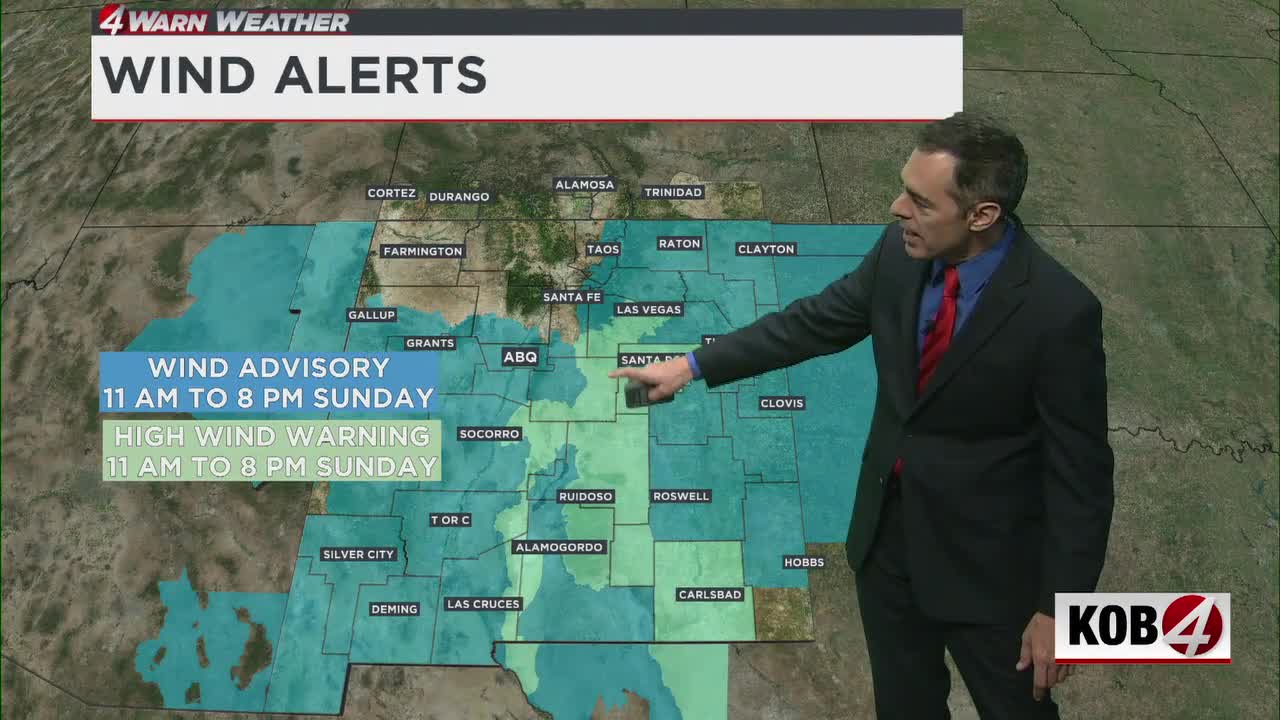
POLICY WIRE — ALBUQUERQUE, N.M. — The wind, they say, is a character in New Mexico. But on days like this Sunday, it’s not a gentle protagonist; it’s a harbinger of devastation, a relentless antagonist whipping the land into a tinderbox. For many here, the seasonal forecasts — red flag warnings, wind advisories, high wind alerts — don’t just predict weather; they articulate a familiar, almost ritualistic dread that has become as ingrained in the desert psyche as the persistent sunshine itself.
Gusts predicted to hit 60-65 mph near the central mountains aren’t merely an inconvenience. They’re accelerants, transforming already parched scrubland into an inferno waiting for a spark. Behind the headlines of impending weather, there’s a collective, weary sigh from communities that have seen this tableau play out with increasingly devastating frequency. It’s not just Sunday’s wind; it’s the cumulative memory of acres incinerated, homes lost, and lives irrevocably altered.
So, what does this actually mean on the ground? Eastern New Mexico, in particular, finds itself under the highest ‘critical fire risk’ category — a designation that doesn’t just suggest danger, it screams it. Damaging winds won’t discriminate; they’ll fell trees, snap power lines, and inevitably plunge parts of the state into darkness. Travel? Forget it, especially for high-profile vehicles, which become dangerous sails on the open highways. And that faint hope of rain or mountain snow showers near the Colorado border? It’s a fleeting whisper against the gale, a localized balm unlikely to quell the broader atmospheric fury.
Governor Michelle Lujan Grisham, whose administration has wrestled with the escalating frequency and intensity of these natural catastrophes, didn’t mince words. "We’re beyond asking if these events will happen; it’s now a grim certainty," she asserted, reflecting on the state’s perennial battle with wildfires. "Our focus isn’t just on immediate response — though that’s paramount — but on building resilience, on hardening our communities against a climate reality that’s changing at an alarming pace. It’s a costly, ongoing fight, and we aren’t fighting it alone." She’s right, it’s a battle that demands federal partnership, resource allocation that stretches thin across departments, and an unwavering commitment from citizens.
And the numbers underscore her concern: the Hermits Peak-Calf Canyon fire, which scorched over 341,000 acres in 2022 — becoming the largest wildfire in New Mexico’s recorded history — stands as a stark testament to the escalating stakes. This wasn’t some isolated anomaly; it was a symptom of a larger, global climatic shift, a shift that sees arid regions worldwide contending with similar, intensified vulnerabilities. (One only needs to consider the challenges faced by an Albuquerque developer trying to build sustainable communities here, against this backdrop of environmental precarity.)
Joe Baca, Director of New Mexico’s Department of Homeland Security and Emergency Management (DHSEM), stressed the operational realities. "We’ve mobilized resources, activated emergency operation centers, and we’re coordinating across all levels of government," he cautioned. "But personal responsibility — that’s the linchpin. Residents must heed these warnings. One carelessly flicked cigarette, one unextinguished campfire, can ignite a catastrophe that will cost lives and billions in recovery." His pragmatism offers a stark reminder: even the most robust government response can’t supersede individual vigilance.
Still, this isn’t just a New Mexico story; it’s a microcosm of a planetary crisis. The same atmospheric forces that dry out New Mexico’s mesas and supercharge its winds are contributing to extreme weather patterns across the globe. We’ve seen, for instance, how Pakistan — a nation grappling with its own immense challenges — has endured devastating, climate-driven floods, displacing millions and shattering infrastructure in recent years. The scale and nature of the events differ, yes, but the underlying vulnerability to amplified natural phenomena, and the strain on public resources they generate, strikes a profoundly similar chord. It’s a high-stakes economic play, managing these ever-present threats, whether it’s a developing nation or a U.S. state.
What This Means
At its core, this Sunday’s forecast is more than just a weather report; it’s a potent indicator of profound political and economic implications. Politically, the recurring threat of massive wildfires puts immense pressure on state — and federal budgets. Lawmakers aren’t just allocating funds for firefighters; they’re debating long-term land management strategies, climate mitigation policies, and the political will to enact tough, sometimes unpopular, preventative measures — all against a backdrop of increasing climate skepticism from some quarters. The constant need for emergency declarations and federal aid requests strains intergovernmental relationships and highlights the uneven distribution of climate-related burdens.
Economically, the impact is devastatingly cyclical. Property values in fire-prone areas become volatile, insurance premiums skyrocket — if coverage is even available — and local economies reliant on tourism or agriculture take direct hits. The cost of a single major wildfire can run into hundreds of millions, even billions, of dollars, diverting critical funds from education, healthcare, and infrastructure. It’s a slow-motion strangulation of economic vitality in vulnerable communities. the psychological toll on residents, the repeated cycle of threat, evacuation, and recovery, creates a durable scar that transcends mere financial accounting. It’s an annual reckoning, a brutal test of human — and institutional fortitude.