
Silent Sacrifice in Capitan Mountains: When Rescuers Become Victims
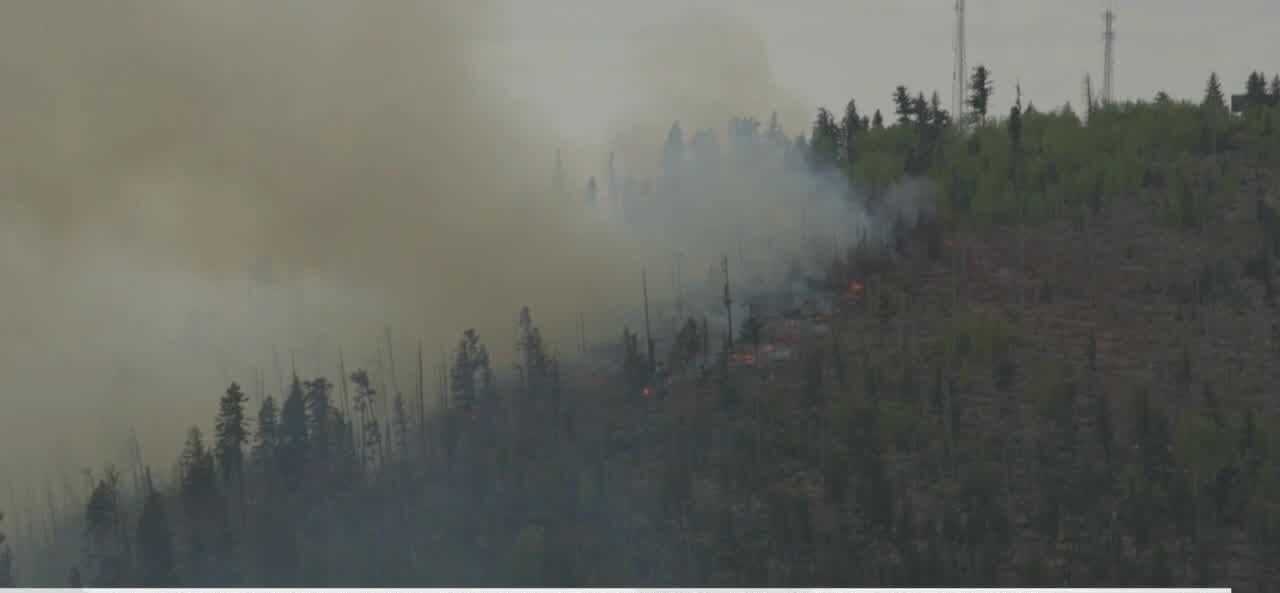
POLICY WIRE — Capitan, New Mexico — The Seven Cabins Fire, now gnawing through more than 2,600 acres of New Mexico scrub, didn’t ignite spontaneously. No, this blaze, currently pushing...

POLICY WIRE — Capitan, New Mexico — The Seven Cabins Fire, now gnawing through more than 2,600 acres of New Mexico scrub, didn’t ignite spontaneously. No, this blaze, currently pushing residents of northern Capitan from their homes, began with the explosive, tragic impact of a downed medical aircraft, silencing four voices meant to save others. It’s a stark, brutal irony: a mission of mercy igniting further peril.
It was a journey cut short, a routine run from Roswell to Sierra Blanca Regional Airport for a medical transport. Pilots Keelan Clark and Ali Kawsara, alongside flight nurses Sarah Clark and Jamie Novick, were airborne heroes, the kind who fly into the unknown when minutes—sometimes seconds—matter. Their plane, an air ambulance operated by Trans Aero Med-Evac and Generation Jets, slammed into the Capitan Mountains, turning the crew’s vital mission into a tragic statistic. And for Sarah Clark, the daughter of Otero County Emergency Manager Matt Clark, it was a particularly personal devastation for a tight-knit community already on edge.
Trans Aero Med-Evac’s statement, released after the public procession, spoke of the community’s “overwhelming outpouring of support,” but it barely scratches the surface of the quiet, visceral grief now settled over these folks. “Those we lost were more than just coworkers… they were family, caregivers, aviators, and friends who dedicated their lives to serving others,” the companies’ joint release declared. That’s not corporate jargon; it’s just the raw, awful truth.
The incident drags into stark relief the often-overlooked perils faced by airborne emergency responders. These aren’t just joyrides; they’re high-stakes gambits against time and terrain, often under less-than-ideal conditions. Federal Aviation Administration data indicates that between 2012 and 2021, medical helicopter and airplane accidents in the U.S. resulted in 91 fatalities. These people don’t get much fanfare until something goes terribly, horribly wrong.
“We train for every scenario, but the mountains here, they don’t care about your mission. They’re unforgiving,” stated Ranger Peterson, a seasoned veteran of the local Search — and Rescue. “It’s a brutal reminder of the thin line our emergency crews walk every single day, flying into places where even roads can’t reach.” He paused, looking out towards the rising smoke. “And now we’re fighting their fire too. It’s… a lot.”
Because, make no mistake, every community relies on these services, especially those tucked away in vast, untamed landscapes like New Mexico. You’ve got towns hours from the nearest major hospital, where a stroke or a heart attack means a desperate dash against the clock, with an aircraft often the only viable lifeline. The Capitan crash isn’t just a local tragedy; it’s a sobering look at the true costs of providing care in places few others dare to venture. You don’t realize what you’ve got until it’s gone.
But the broader implications ripple further than just emergency services. Imagine the Balochistan mountains of Pakistan, or the remote villages of Afghanistan, where medical infrastructure is tenuous at best, and air transport is literally the only hope for survival during conflict or natural disaster. These regions grapple with logistical nightmares on a grander scale, but the fundamental risks—weather, terrain, equipment, human error—are terrifyingly universal. This particular loss serves as a grim echo for anyone working to bridge geographical divides with air ambulance services, from the Rockies to the Himalayas.
📄 POLICY WIRE WHITEPAPER PUBLISHED: PAKISTAN'S NATIONAL SECURITY POLICY PRIORITIES
👉 READ BY CLICKING HEREWhat This Means
This incident is more than a single tragic loss; it’s a stark policy flashpoint. First, it compels a rigorous re-evaluation of safety protocols and operational conditions for air medical transport, particularly in challenging environments. The sheer necessity of these flights often means pushing limits, but at what human cost? Regulators and private operators might well face renewed scrutiny to ensure they’re not just chasing efficiency, but safeguarding those who protect us.
Secondly, the resulting wildfire highlights a critical burden on already strained rural emergency services. When one emergency begets another, local and regional authorities scramble for resources—manpower, equipment, funds. This puts immense pressure on state and federal agencies to shore up local fire departments and incident management teams, especially in fire-prone regions. Thirdly, and perhaps most acutely, the loss of skilled pilots and medical personnel impacts the workforce of these niche, yet incredibly demand-driven, services. Recruiting and retaining these highly trained individuals is already tough; tragedies like this only exacerbate the challenge, raising questions about recruitment incentives and retention strategies in high-risk professions.
For rural communities, the emotional toll alone is crushing, reminding them how fragile their lifelines truly are. And yes, for every life lost saving others, there’s a cascade effect, leaving gaps that are incredibly hard to fill. Sometimes, the heroism is just part of the job description. But that doesn’t make the outcome any easier to swallow when the saviors themselves need saving.