


Crimson Hue on Campus: Late-Night Burrito Stop Turns Fatal, Shakes University Serenity
POLICY WIRE — Albuquerque, New Mexico — The greasy glow of the Frontier Restaurant, usually a comforting late-night beacon for University of New Mexico students, cast an altogether different light on...

POLICY WIRE — Albuquerque, New Mexico — The greasy glow of the Frontier Restaurant, usually a comforting late-night beacon for University of New Mexico students, cast an altogether different light on Thursday morning. It became, quite suddenly, the macabre stage for an early-hours killing, ripping apart the thin veil of campus normalcy. You grab a burrito, you don’t expect a crime scene.
It’s that stark, immediate disruption that reverberates most profoundly through this dusty, sprawling city. Not the suspects’ names initially, not the details of the fracas—but the location itself. The Frontier, you see, it’s practically a landmark, an institution. A place where academic ambitions mix with late-night munchies. Now, it’s something else.
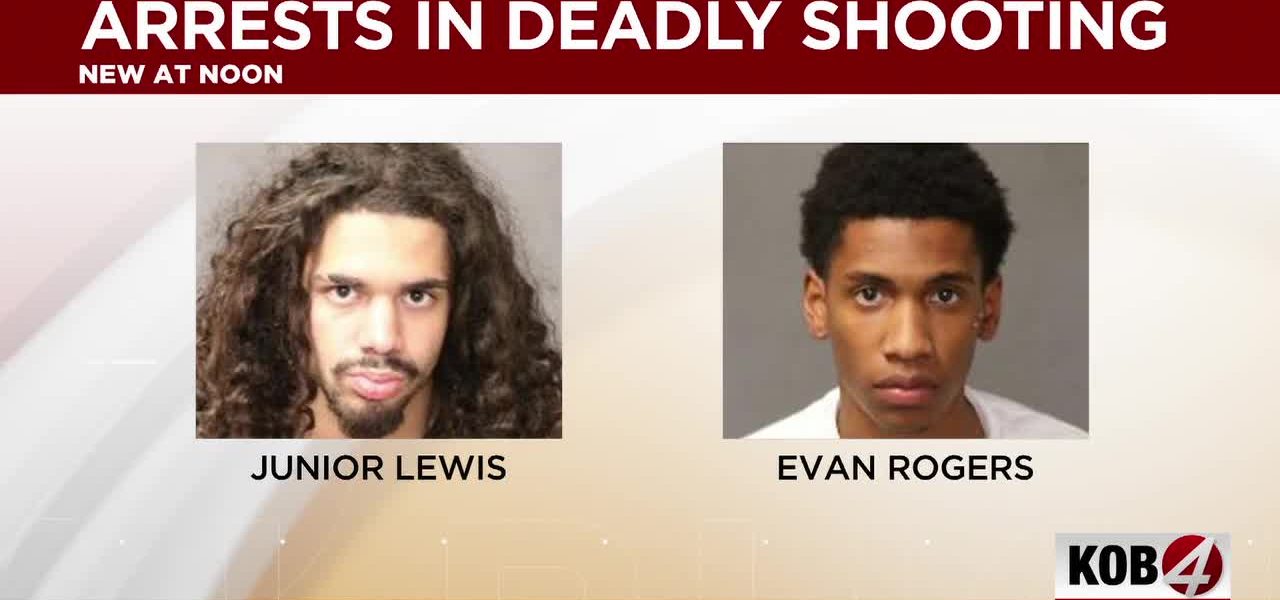
Albuquerque police didn’t mince words, though. They moved fast, collarin’ two young fellas for murder: Junior Lewis, barely an adult at 19, and 20-year-old Evan Rogers. These weren’t phantom figures. Authorities snagged them inside Rogers’ own dorm room at UNM. Right there. They’re both set to see a judge before you can even properly digest the horror of it all. Someone died, right on the spot, south of Central Avenue, caught between Cornell — and Stanford.
This kind of violence, it rattles the foundations of what we think we know about safety in these so-called protected spaces. Because while cities like Albuquerque grapple with their share of street crime, a shooting steps from a university campus—a perceived haven for intellect and youth—feels like a particularly vicious trespass. Detective Maria Rodriguez, a twenty-year veteran of the APD, didn’t sound surprised, not really. “It’s a stark reminder that violence doesn’t respect our college town’s sleepy veneer,” she told Policy Wire. “We’re doing everything humanly possible to bring peace back to these streets, but it’s a fight, always.”
And what about the broader implications? It’s easy, — and perhaps a little lazy, to dismiss such incidents as isolated aberrations. But they aren’t. They chip away at public confidence, leaving an indelible stain on the sense of security families hold when they send their kids off to university. It affects tourism, local businesses that thrive on the campus ecosystem, and hell, even how long someone might linger at a diner after midnight. You bet it does. City Councilwoman Anita Chopra, whose district encompasses parts of the campus area, voiced a similar sentiment. “Our students, our residents—they deserve to feel safe grabbing a late-night burrito,” Chopra stated, a weary edge to her voice. “This incident shakes us, yes, but it won’t define us. We’ll redouble our efforts, but we can’t ignore the systemic challenges lurking behind these headlines.”
📄 POLICY WIRE WHITEPAPER PUBLISHED: PAKISTAN'S NATIONAL SECURITY POLICY PRIORITIES
👉 READ BY CLICKING HEREThis isn’t an isolated event; it’s a symptom. National Institute of Justice statistics show that roughly 10% of all homicides in the U.S. annually involve victims between the ages of 18 and 24, a demographic often found navigating urban university environments. But it’s not just an American problem. Youth disenfranchisement, coupled with easy access to weapons, creates a combustible mix, a tragedy we see played out across urban centers globally, even in burgeoning cities across the South Asian region or the wider Muslim world, where rapid urbanization often outpaces social infrastructure development.
What This Means
This incident, on its face, looks like a local crime report. But it’s a policy migraine. Economically, the immediate impact might be subtle: a few fewer late-night patrons, perhaps. Long-term, however, it’s about brand—the university’s, the city’s. Perceptions of safety dictate enrollment, investment, — and the overall vibrancy of a place. Universities are economic engines, drawing talent — and capital. When a core element of that appeal—safety and opportunity—gets perforated by violence, it presents a serious governance challenge.
Politically, officials face pressure to respond. We’ll see renewed calls for more police presence, maybe harsher sentences, or better campus security measures. But solving this isn’t about just locking people up. It’s about unpacking the ‘why’: why two young men, just college age, allegedly ended up in a dorm room after leaving a life extinguished on the pavement. That means grappling with education, mental health access, and the slow, arduous work of community building that doesn’t always generate flashy headlines. And, quite frankly, sometimes it’s the quiet erosion of faith in public safety that’s most damaging, setting up communities for a tougher future grappling with systemic issues.