

Beijing’s Iron Hand Tightens: Ex-Defence Chiefs Face Death with Reprieve in Unseen Purge
POLICY WIRE — Beijing, China — Sometimes, it isn’t the loudest roar that carries the most menace, but the sudden, jarring silence. Beijing, that ancient, secretive city, is broadcasting just...

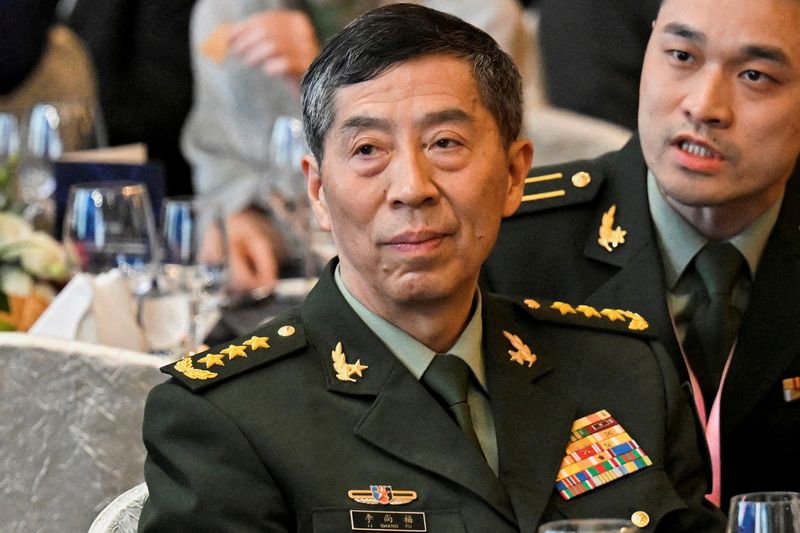
POLICY WIRE — Beijing, China — Sometimes, it isn’t the loudest roar that carries the most menace, but the sudden, jarring silence. Beijing, that ancient, secretive city, is broadcasting just such a chilling quiet, not with fiery pronouncements but through the clinical finality of a verdict few ever anticipated. Two former defence ministers — that’s right, plural, and men who once stood at the absolute zenith of China’s formidable military apparatus — have received death sentences, albeit with a two-year reprieve.
It’s a bizarre ballet, isn’t it? One moment, you’re overseeing one of the world’s largest armies; the next, you’re contemplating your own mortality from within the system you once commanded. The specific charges remain cloaked in state secrecy, but the subtext is glaringly clear: President Xi Jinping’s decade-long anti-corruption campaign is anything but finished. And it’s only growing sharper, bolder, as it carves through the military’s highest echelons. It’s less a housecleaning and more a systemic demolition, leaving once-untouchable figures to face their comeuppance behind closed doors.
The ‘reprieve’ is classic Chinese statecraft. It typically morphs into a life sentence if the condemned avoids further infractions – or, more likely, if their fall serves its intended political purpose. But let’s be real: this isn’t just about graft. This is about power, pure and uncut. These aren’t low-level grunts caught siphoning off canteen funds. We’re talking about individuals who, until recently, held immense sway, influencing everything from regional defense strategy to procurement deals running into the hundreds of billions. Sources indicate that nearly 50 high-ranking officials within the PLA, primarily from the elite Rocket Force, have been ensnared in various investigations since late last year, according to figures tracked by independent analysts.
And because the Party maintains its opaque iron curtain, specifics are scant. No public trials, no tearful apologies, no press conferences detailing the transgressions. Just the ominous whispers that turn into unshakeable realities. Foreign Ministry Spokesperson Hua Chunying, when asked about high-profile purges, recently asserted, “China’s fight against corruption is a continuous effort, aimed at maintaining Party purity and ensuring socialist rule of law for all. No one, regardless of rank, is above the law.” It’s a boilerplate response, of course, but the bluntness of ‘no one’ really hits different when it’s about defence chiefs.
But what does this all truly mean, both inside China — and beyond its carefully controlled borders? For one, it screams insecurity. For all the talk of national rejuvenation, Xi is clearly sending an unequivocal message that dissent, or even the perception of it, won’t be tolerated, not even from the most storied generals. “It signals a deep paranoia within the Communist Party leadership regarding loyalty,” observed Dr. Zara Khan, a South Asian security analyst at the Karachi Institute for Strategic Studies. “Such purges create a ripple effect, making allies like Pakistan — which relies on a stable, predictable Chinese partner for strategic projects like CPEC — quietly wonder about internal cohesion. It introduces an element of instability even where an iron grip is projected.” She’s got a point. You can’t project unwavering strength globally if you’re constantly cutting off heads internally, can you?
It’s a high-stakes gamble, this unrelenting pressure. While it undoubtedly consolidates Xi’s authority, it might also sow seeds of discontent within an officer corps accustomed to certain levels of privilege and perceived immunity. Loyalty bought through fear is fragile, you see. But perhaps Beijing isn’t betting on unwavering loyalty as much as it’s betting on sheer, unadulterated terror.
What This Means
This dramatic sentencing isn’t merely a grim headline; it’s a seismic event reverberating through the Chinese political landscape and potentially reshaping Beijing’s global posture. Politically, it reconfirms Xi Jinping’s absolute grip on power, cementing his image as the ultimate arbiter, even over generals whose careers spanned decades. It reinforces the notion that no institution, not even the revered People’s Liberation Army (PLA), is immune to his anti-corruption machinery. It’s a calculated move to root out potential challengers — and ensure unyielding personal fealty.
Economically, such high-level instability, even if internal, can quietly unnerve investors. While Beijing touts its stability, repeated purges—especially within institutions like the military, which underpin state power and massive industrial complexes—can make even the most committed overseas entities think twice about long-term investments. For nations heavily integrated with China’s Belt and Road Initiative, particularly across South Asia and the Muslim world, these internal tremors raise questions about leadership continuity and the reliability of their primary economic and strategic partner. They’ve invested heavily, — and a Beijing distracted by internal battles isn’t an ideal scenario.
The most immediate consequence, however, might be on military morale — and strategic planning. Removing seasoned, if corrupt, leadership could disrupt command structures — and impact long-term modernization efforts. It could also deter innovation or independent thought, as officers become more focused on political correctness and demonstrating loyalty rather than optimal military strategy. The opaque nature of the charges, and the brutal consequences, will likely force an even greater degree of cautious obedience among those remaining, cementing Beijing’s Iron Curtain tremors – and the ultimate power dynamic – deep within its system.