

Cricket’s Quiet Diplomacy: India, Afghanistan, and the Field of Soft Power
POLICY WIRE — New Delhi, India — The humble cricket fixture list, often just a collection of dates and venues for casual enthusiasts, sometimes whispers larger geopolitical truths. Look closely at...

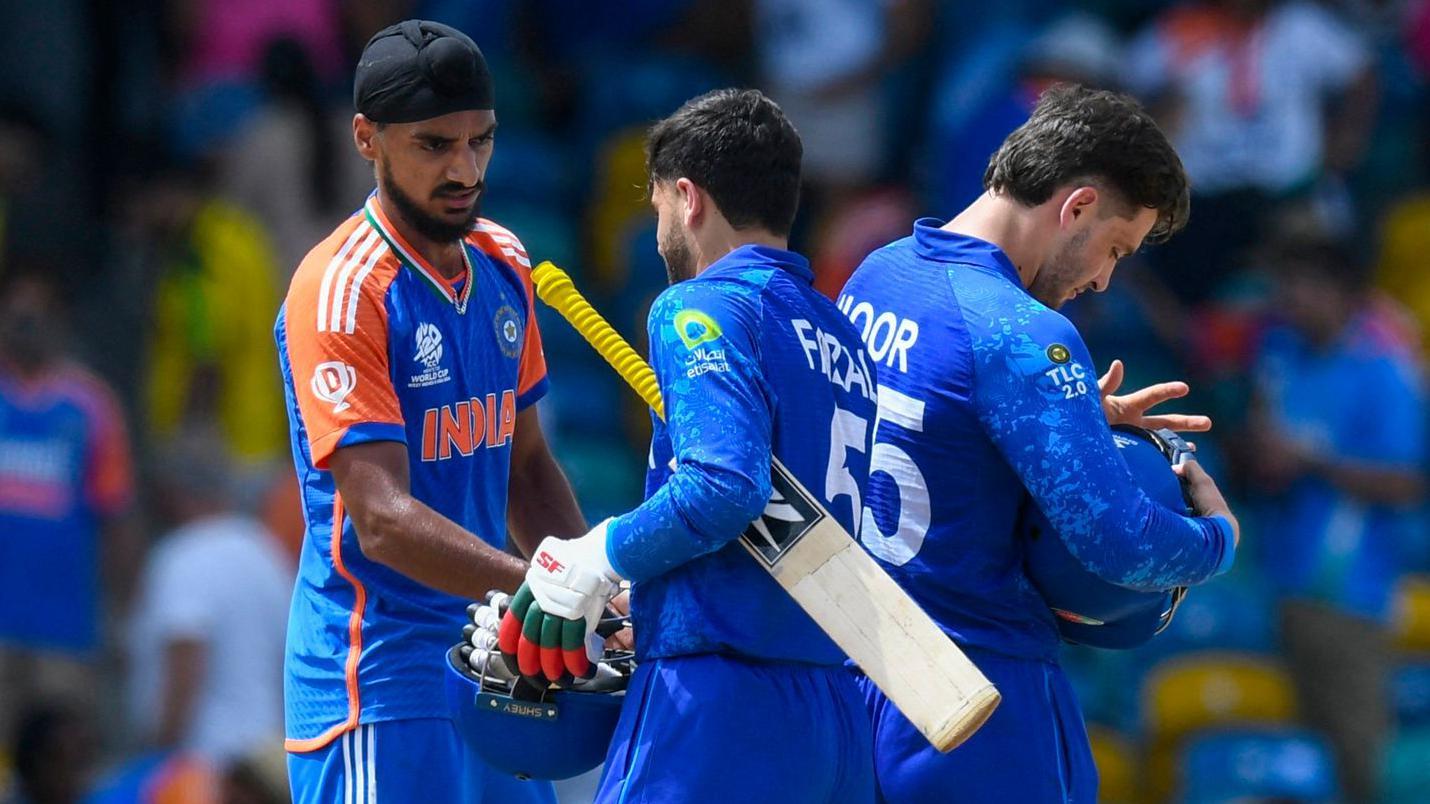
POLICY WIRE — New Delhi, India — The humble cricket fixture list, often just a collection of dates and venues for casual enthusiasts, sometimes whispers larger geopolitical truths. Look closely at the scheduling for 2026: Afghanistan is slated to play a Test match and a series of One-Day Internationals in India. It sounds like mere sport, a few afternoons of bat — and ball. But in the fractured landscape of South Asia, where every handshake, every flag-raising, carries disproportionate weight, these games are less about boundaries hit and more about borders – both porous and firmly shut.
It’s not often that a five-day game in New Chandigarh or a limited-overs skirmish in Dharamsala commands the kind of strategic attention usually reserved for bilateral summits or arms deals. Yet, the presence of the Afghan national team on Indian soil, under the glare of subcontinent media, is a potent, if understated, diplomatic signal. This isn’t just about cricket; it’s about what still functions in a nation grappling with international isolation, about the enduring threads connecting nations, and, let’s be honest, about New Delhi’s savvy use of soft power. These weren’t haphazard selections. Because, in a region where political discourse is often bellicose, sometimes the gentlest nudge can be the most effective. India’s always understood that.
For Afghanistan, specifically its cricket establishment, securing international tours isn’t just about athletic development. It’s a desperate plea for normalcy, a window to the outside world, a quiet counter-narrative to headlines often dominated by hardship and human rights concerns. It’s about providing its youth with heroes who aren’t wielding AK-47s but cricket bats, giving them a glimpse of an aspirational future beyond their current, difficult reality. “Our young men, they carry the dreams of a nation onto that field. It’s not just a game; it’s a statement, a show that even in the toughest times, our spirit, our culture, it endures. This series with India, it’s a lifeline, a chance to show the world who we truly are,” remarked a source within the Afghanistan Cricket Board, preferring anonymity to discuss the broader implications freely.
New Delhi, ever the astute player in regional dynamics, isn’t blind to this. India’s consistent engagement with Afghan cricket long precedes the current political configuration in Kabul. It’s an investment in people-to-people connections, a recognition that regardless of who sits in presidential palaces, cultural bonds persist. It also serves as a strategic counterweight—a friendly gesture that perhaps casts a longer shadow over Pakistan, with whom India’s cricketing ties remain almost entirely severed, hostage to chronic diplomatic frigidity. One could argue it’s a strategic embrace, less about endorsing any particular regime and more about maintaining leverage. And sometimes, you just play the long game. Because that’s what states do.
“Sports, you see, it’s a language everyone understands. India has always been a staunch supporter of Afghan talent, and this series, well, it’s just a continuation of those deep cultural connections. It’s about the people, always about the people,” stated a spokesperson from the Ministry of External Affairs, choosing words carefully, sticking to diplomatic understatement. This subtle signaling, they’ve refined it over decades, this ability to communicate policy without actually articulating it.
Consider the raw statistics: cricket viewership in India regularly dwarfs every other sport. A single India-Pakistan match, when it happens, can draw nearly 200 million viewers on TV and digital platforms globally, according to data from the ICC Cricket World Cup 2023. These numbers illustrate the game’s unparalleled reach in the subcontinent. So, for Afghanistan, even being a smaller part of that viewership pie represents immense exposure and, yes, a degree of recognition, a seat at the regional table, however precarious.
But there’s a lurking tension. Pakistan, India’s perennial rival — and Afghanistan’s complex neighbor, watches these developments with keen interest. Islamabad’s own influence in Afghanistan has been historically significant. This Indian overture via cricket — this cultural bridge-building — isn’t lost on anyone in Lahore or Rawalpindi. It’s a reminder that even off the field, a very different kind of game is always being played across the entire Muslim world in South Asia. Cricket, here, isn’t merely recreation; it’s an extension of statecraft. You wouldn’t put it past anyone to try — and weaponize a DRS call.
What This Means
The upcoming cricket series, innocuous as it seems, carries substantial weight. Politically, it allows India to project an image of benevolent regional leadership, willing to engage culturally even when formal diplomatic ties with the current Afghan administration are – let’s call them strained. For Kabul, it’s a rare public relations win, offering a veneer of legitimacy through sporting engagement. Any such international visibility, any shared spotlight, offers an implicit nod towards their continued governance, however contentious that remains globally. It’s also an important psychological balm for the Afghan population, offering moments of national pride in challenging times.
Economically, while direct benefits are limited for Afghanistan, the ongoing international competition facilitates crucial funding streams for their cricket board from the International Cricket Council (ICC). This enables their national team to operate, pays player salaries – a vital infusion into a deeply struggling economy. For India, it bolsters its regional influence without the transactional complications of direct governmental aid, showcasing its commitment to broader stability and cultural exchange. This strategy highlights the old guard’s grip on how geopolitical narratives unfold. Ultimately, these matches transcend mere sporting results; they’re a low-stakes theater for high-stakes diplomacy, where a perfectly timed six can sometimes resonate more loudly than any diplomatic communiqué. It’s not an accident, this tour; it’s a well-thought-out gambit on a global chess board where the squares are often made of dusty cricket pitches and concrete stadiums. You bet it’s.