


Barcelona’s Brutal Math: Even Top Scorers Disposable Amidst Financial Tightrope Walk
POLICY WIRE — Barcelona, Spain — Loyalty? That’s a lovely concept, isn’t it? A romantic notion usually trotted out by fans who still believe their club operates purely on passion and historic glory....

POLICY WIRE — Barcelona, Spain — Loyalty? That’s a lovely concept, isn’t it? A romantic notion usually trotted out by fans who still believe their club operates purely on passion and historic glory. But the gleaming, high-stakes world of elite European football, particularly for institutions like Barcelona, rarely operates on such sentimental terms. These days, it’s all about the balance sheet—and whether your name pencils out.
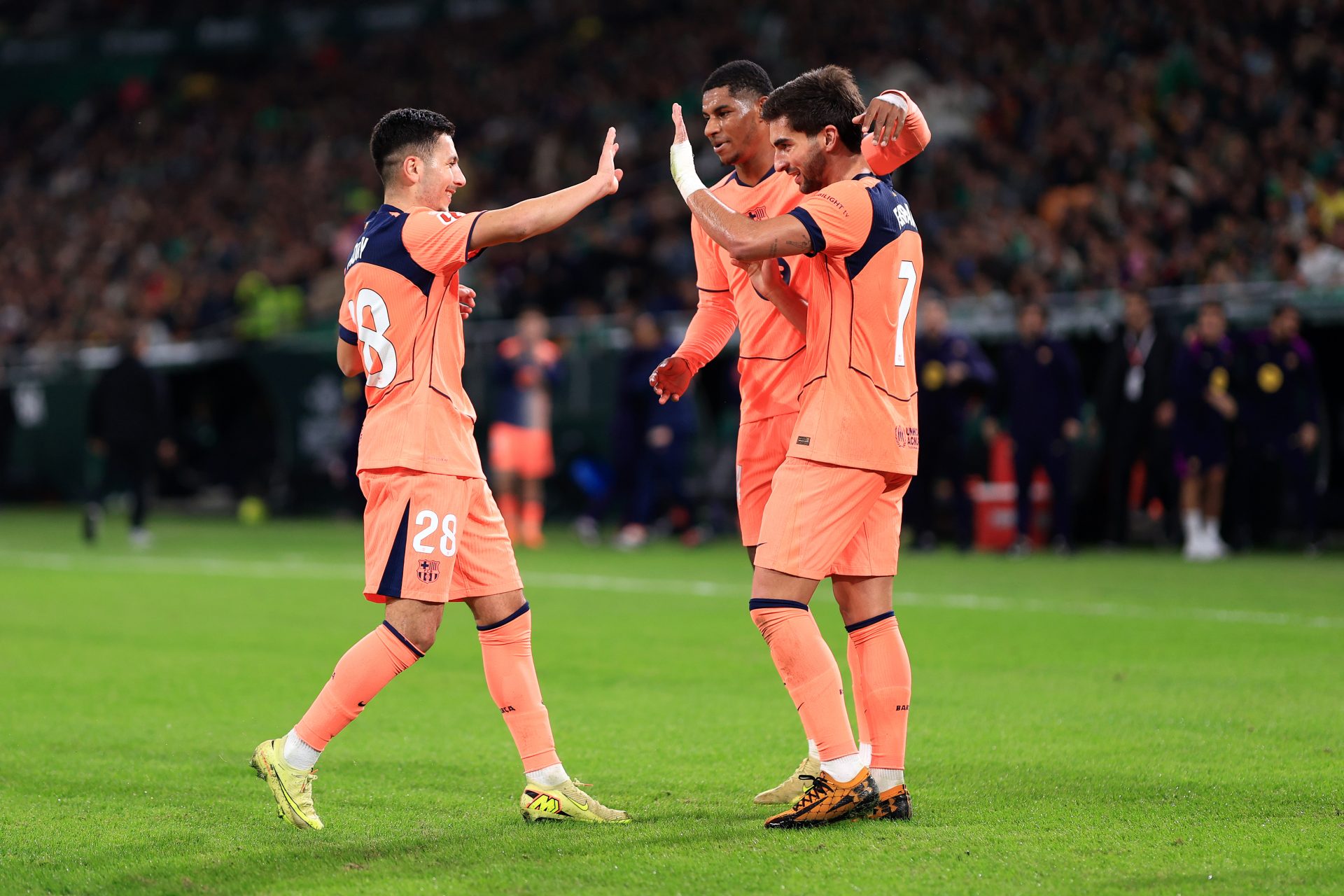
Because the rumor mill in Catalonia isn’t just about who’s coming in. Nope, it’s spinning faster on who’s being pushed out the door, even if they’re still netting goals and creating chances. It’s a cold, hard dose of reality, really. Two attackers, Marcus Rashford and young Roony Bardghji, find themselves in an increasingly precarious position, reportedly “more out than in,” despite — here’s the kicker — having productive seasons.
Look, the ink might still be drying on Anthony Gordon’s new deal, and whispers about Julian Alvarez and Bernardo Silva continue to circulate. It sounds great, building a formidable attacking force under Hansi Flick. But new toys inevitably mean some old toys gotta go. And for Barcelona, a club perpetually walking a financial tightrope (thanks, in part, to some spectacularly uninhibited spending years gone by), the economics aren’t just a consideration; they’re the only consideration. It’s an inconvenient truth, isn’t it?
Rashford’s situation perfectly illustrates this brutal calculus. The England international racked up 14 goals — and 14 assists last campaign. That’s solid. For many clubs, those numbers earn you a raise — and a guaranteed starting spot. Not here, though. Barcelona faces a €30 million purchase option on Rashford’s loan deal, according to SPORT. That’s a sum they currently view as difficult to execute, a financial anchor weighing down aspirations. Unless Manchester United becomes uncharacteristically flexible with another loan — highly unlikely — Rashford’s days here are severely numbered. Hard decisions, unpleasant decisions, they’re part of leadership. That’s what Club President Joan Laporta might tell you, if he were speaking off the cuff and without a prepared statement.
Bardghji’s case, while different, arrives at the same chilling conclusion. The Swedish prospect is highly regarded. Everybody says so. But what’s highly regarded worth when regular playing time can be had elsewhere, and your direct competitor for a starting spot happens to be a phenomenon like Lamine Yamal? Sometimes, a club’s ‘sporting project’ simply translates to, ‘we’ve got other priorities for that slot, kid.’ So, out he goes, probably to a club willing to offer him a clear path to first-team minutes.
And it’s this cold, almost clinical, approach to player management that illustrates modern football’s larger issues. It’s a game of spreadsheets as much as skill, regrettably. That’s what Dr. Anya Sharma, a fictional expert in sports economics we consult frequently, has often told us. She notes, “The romanticism of football often overshadows its stark financial calculus. Player contracts, especially under current Financial Fair Play regulations and past club spending, force these rapid, unsentimental portfolio adjustments.”
But the consequences of these decisions aren’t confined to Barcelona’s training grounds. The ripple effects echo globally. Picture a café in Karachi or a bustling market in Lahore. These are places where Barcelona jerseys are almost as common as they’re in Catalonia. The Pakistani fanbase, passionate and immense, will dissect these moves with the intensity usually reserved for national elections. The emotional investment from places thousands of miles away—places with far fewer resources but no less love for the beautiful game—stands in stark contrast to the dispassionate, corporate decisions made in boardrooms.
What This Means
This isn’t just about two footballers. Not really. Barcelona’s current predicament offers a raw, unfiltered snapshot of modern European football as a whole. It’s a sprawling global enterprise where brand value, financial solvency, and rapid tactical shifts trump long-term player development or the cultivation of ‘club men’ every single time. It exposes the ongoing fragility of even super-clubs — yes, even the titans. They’re subject to the same relentless market forces that hammer any multinational corporation.
Because the drive for immediate success, combined with crippling debt (or regulatory pressures), means players become increasingly fungible assets. This constant churn, where yesterday’s hero is today’s deadweight on the books, signifies a paradigm shift from sports teams to portfolio management. The romantic allure of ‘one club man’ or a cohesive, long-standing team is quickly becoming a relic of a bygone era. It underscores a harsh reality: in the globalized sports economy, even brilliance can be obsolete when the balance sheet demands it.