Primary’s Quiet Hum: New Mexico’s Electoral Choreography and the Art of Apathy
POLICY WIRE — Albuquerque, N.M. — It’s always an election somewhere, isn’t it? Another round of ballots, another set of promises—or, more accurately, another opportunity for a fraction of the...

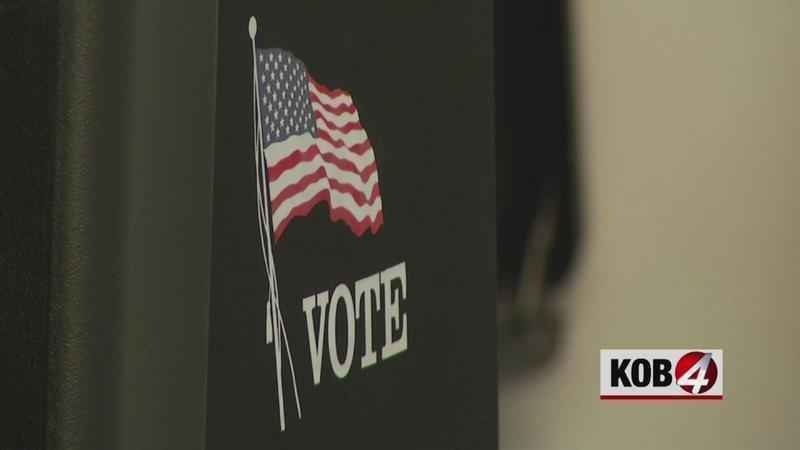
POLICY WIRE — Albuquerque, N.M. — It’s always an election somewhere, isn’t it? Another round of ballots, another set of promises—or, more accurately, another opportunity for a fraction of the populace to shape decisions for the whole lot. New Mexico’s primary election cycle rolls along, largely beneath the radar of national consciousness, yet its local mechanics offer a stark, and often ironic, lesson in democratic participation. Many folks won’t bother. But those who do? They’re wielding disproportionate power, whether they know it or not.
For weeks, the machinery of local governance has whirred, attempting to coax citizens into engagement. Bernalillo County Clerk Michelle Kavanaugh, a figure tasked with overseeing this largely thankless—yet absolutely essential—civic exercise, made her rounds recently, attempting to demystify a process that, frankly, shouldn’t be mysterious in the first place. You’d think by now, the ‘how-to’ of voting would be ingrained, right? Apparently, it’s not.
“We’re just making sure everyone who *wants* to cast a ballot *can*,” Clerk Kavanaugh told reporters, a practiced smile firmly in place. “It’s fundamental, isn’t it? Democracy, after all, relies on active participation. We’ve simplified things significantly this year, opening up the primary to independent voters. It’s about accessibility—it truly is.”
And so it’s. Independent voters, typically relegated to watching from the sidelines during party selection, now get a say in either the Democratic or Republican contests, but not both, obviously. It’s an interesting gambit, designed perhaps to broaden engagement, or perhaps just to inject a little more uncertainty into intra-party contests. Whatever the motivation, it’s a procedural wrinkle—a concession, some might say—in the ever-evolving playbook of voter recruitment.
But how much difference does it really make? The reality is often sobering. Voter turnout in New Mexico’s 2022 primary election, for example, hovered just above 28% for registered voters, according to the Secretary of State’s office. Think about that: fewer than three out of ten people bothered. It paints a rather stark picture, doesn’t it? An engaged citizenry is, supposedly, the cornerstone of any healthy republic. Yet, the persistent hum of voter indifference, even at critical stages like primary selection, suggests a system less robust than its proponents often claim.
Because these are the battles that shape the eventual slate of candidates. This isn’t just about selecting a governor or congressional representative; it’s about the ideological trajectory, the nuanced policy platforms, the very identity of the parties vying for control. And it all happens while most folks are worried about grocery prices or what’s on streaming that night.
Governor Michelle Lujan Grisham, herself a product of a rigorously contested primary, framed the current cycle with her characteristic blend of urgency and political realism. “Primaries, they’re the engine room of the process. Folks think it’s about the general, but the battle for the soul of a party—that happens now. Ignoring it? Well, that’s how you wake up with choices you never truly wanted, and frankly, deserve better than.” Her Excellency wasn’t wrong, not entirely. But getting people to believe they deserve better—and then actually showing up to do something about it—remains the perpetual challenge.
You see these dynamics play out in democracies all over the world, even in places like Pakistan, where local governance battles, though often more fraught with geo-political complexities, rely on similar undercurrents of civic engagement—or lack thereof. Whether it’s the quiet polling stations of Bernalillo County or the bustling bazaars during an electoral cycle in Karachi, the struggle to get citizens to actively participate in shaping their leadership is a constant. The mechanisms may differ; the inertia, often doesn’t. Some of those communities, whose members have resettled in places like Albuquerque, bring with them different political perspectives—sometimes a heightened appreciation for the fragility of democratic process, sometimes a deep cynicism. For more on the intricate societal ripples stemming from shifts in regional governance, consider the implications of displacement and political changes for Pakistani Shiites in the Gulf.
What This Means
The relatively low engagement in New Mexico’s primary—despite efforts like expanded independent voter access—speaks volumes about a deeper disillusionment, or perhaps, a comfortable apathy that assumes the system will churn along regardless. Economically, this means decisions on infrastructure, tax policy, and state spending get shaped by a highly motivated, self-selected group, not necessarily reflective of the broader public’s needs or desires. Politically, it strengthens the hand of partisan loyalists and well-organized special interests, making genuine grassroots challenges an uphill battle. It reinforces a status quo, — and sometimes, a cycle of predictability that stunts innovation in governance. And the quiet choreography of a local primary in the American Southwest serves as a miniature theatre for challenges democracy faces globally. It’s less about one election outcome, more about the persistent questions of who participates, who benefits, and what genuine consent of the governed really looks like when so many opt out.