


Beechwood’s Gridiron Carousel: Denial to Departure in 48 Hours, Rash Rides Back In
POLICY WIRE — Fort Thomas, Kentucky — In the curious theater of high school athletics, some departures unfold with the glacial inevitability of policy debates. Not so at Beechwood. Here, Jay Volker’s...

POLICY WIRE — Fort Thomas, Kentucky — In the curious theater of high school athletics, some departures unfold with the glacial inevitability of policy debates. Not so at Beechwood. Here, Jay Volker’s tenure as head football coach ended not with a whimper, but with an abrupt bang—just two days after the man himself reportedly shut down rumors of his impending exit. An official denial one moment, an Ohio-bound teaching gig — and a vacated position the next. It’s the kind of whiplash development that would make seasoned political strategists, accustomed to more drawn-out Machiavellian machinations, marvel.
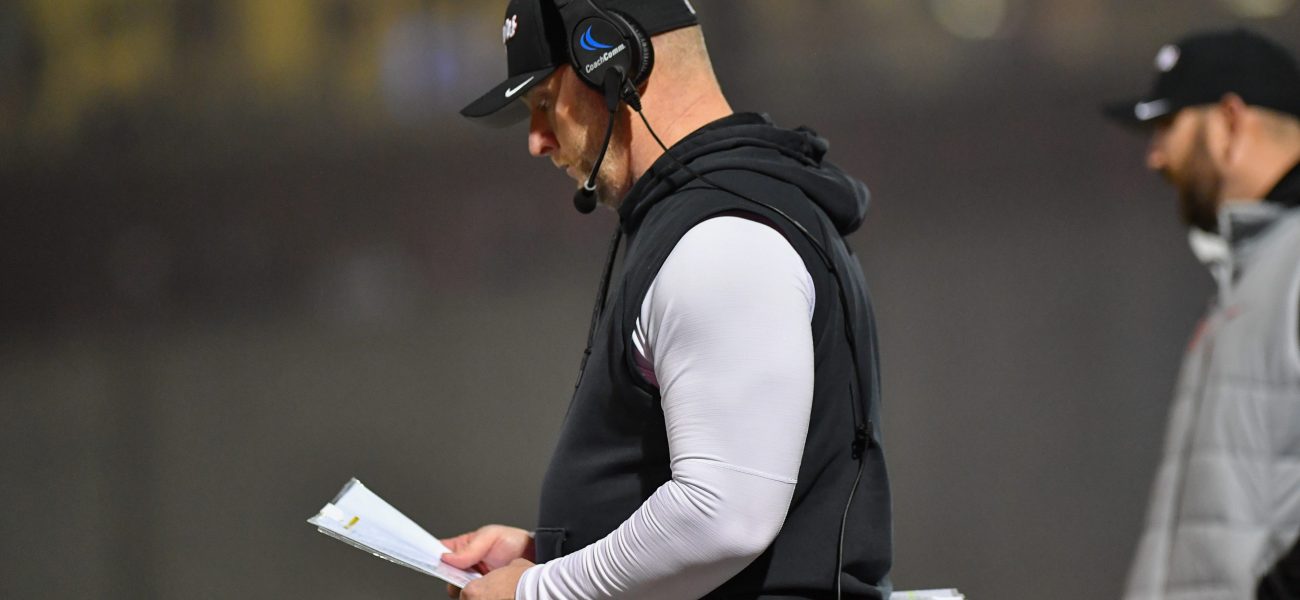
And then, as if on cue from a script written in the gridiron heavens, Noel Rash — the architect behind 200 victories and a staggering eight state championships over his 17-year reign — was back. The return of the king, or perhaps, in this specific context, the godfather. Beechwood’s official announcement confirming Volker’s departure was swiftly followed by the news of Rash’s re-appointment, completing a personnel merry-go-round that barely managed to keep its axles greased.
Volker, in his brief but undeniably bright three-season stint, amassed a sterling 37-5 record, culminating in a Class 2A state championship in 2024. He also led the Tigers to state semifinals in 2023 — and 2025. That’s a legacy, the school would later proclaim on X, ‘etched’— a rather flowery tribute for someone who’d just publicly stated his intention to remain and then, well, hadn’t.
“We’re disappointed, naturally, when someone of Jay’s caliber chooses to move on, particularly after such an explicit commitment to our program just days prior,” stated a Beechwood Schools board member, speaking on background due to ongoing personnel sensitivity. “But his reasons are personal, tied to family. You’ve got to respect that, even when it puts us in a tight spot. But we’ve moved quickly.” It’s true; they’d certainly moved with expedition.
Rash, meanwhile, hadn’t exactly been idle since his initial departure after the 2022 season. He’d lent his coaching acumen as a special assistant at Holmes — and Cincinnati St. Xavier. More poignantly, he’d stepped into a head coaching role at Conner, leading the Cougars to a 4-7 record in 2025 following the sudden and tragic passing of Coach David Trosper. His return to Beechwood feels less like a resurrection — and more like a recalibration, a reversion to the mean.
The Tigers, by all accounts, aren’t exactly hurting for talent heading into the autumn. They’re bringing back quarterback Emmett Queen, a Class 2A, District 5 player of the year. There’s also the versatile Tyler Fryman, and lead running back Nathan Pabst, alongside a solid seven of their top nine tacklers from last year. “Returning to Beechwood isn’t just a job; it’s a homecoming, and it feels right,” Coach Rash commented, with characteristic composure. “These kids, this program — they expect a certain standard, and I’m ready to deliver it again. We’ve got talent, yes, but we’re going to mold it into a championship unit, same as before.” He doesn’t waste words; he gets to it. It’s what you expect from a veteran, someone who understands the deeper current of these things.
Because ultimately, these movements in local sports dynasties—these coaches and their shifting allegiances—mirror the ebb and flow of regional politics and, indeed, national narratives. Much like a community in Lahore rallies behind its cricket team, or a village in the Hindu Kush treasures its unique martial traditions, these towns invest their very identity in their high school teams. The figures leading them become symbolic, almost quasi-statesmen.
What This Means
The sudden nature of Volker’s exit, immediately after denying its likelihood, creates an awkward precedent for the district. It suggests a disconnect between stated intentions and behind-the-scenes machinations, a minor echo of the opaque negotiations that often precede larger geopolitical shifts. For Beechwood, the implications are two-fold. Economically, maintaining a championship-level football program can translate into substantial community engagement and even enrollment draws, a measurable advantage in a competitive educational landscape. From a stability standpoint, Noel Rash’s immediate availability and legendary status have, quite deftly, prevented a potentially chaotic transition. He’s a known quantity, a proven winner whose leadership almost certainly mitigates any potential negative fallout from the abrupt coaching change. His legacy—which includes the remarkable institutional memory of guiding the program for nearly two decades—ensures a smoother path than an unproven newcomer could offer. This swift resolution, born of necessity, reinforces the importance of institutional resilience, a lesson that extends far beyond the sidelines.